



What's Happening?
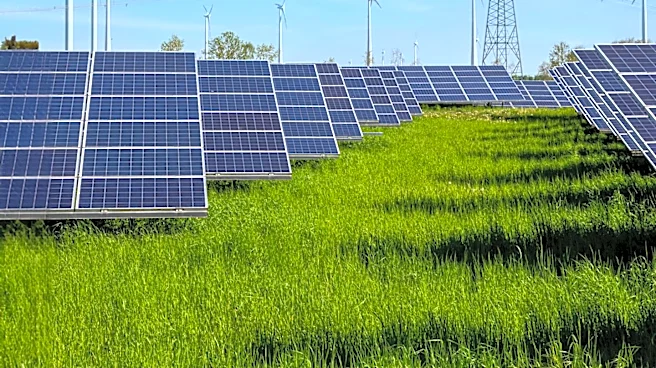
Subsidies for solar and wind energy, particularly those provided by the Inflation Reduction Act (IRA), have significantly influenced renewable energy investments in the U.S. While these incentives led to a surge in projects in 2025, their subsequent repeal
resulted in a sharp decline in investments, indicating a strong reliance on these subsidies. Concurrently, state-level Renewable Portfolio Standards (RPS) mandate that a certain percentage of energy come from renewable sources. These standards often necessitate the purchase of Renewable Energy Credits (RECs) by utilities, especially in states that cannot generate enough renewable power to meet their targets. RECs act as an additional subsidy for renewable generators and an implicit tax on fossil fuel generators, with the costs ultimately passed on to consumers through higher utility bills. For instance, RPS compliance costs in the District of Columbia more than doubled for typical households between 2022 and 2025, and are projected to double again by 2035, prompting Mayor Muriel Bowser to call for reconsideration.
Why It's Important?
The current structure of renewable energy subsidies and RPS mandates has significant implications for U.S. energy costs and reliability. The reliance on subsidies suggests that the market for renewable energy may not be self-sustaining without government intervention, raising questions about long-term economic viability and consumer burden. The rising compliance costs associated with RPS, particularly in states like the District of Columbia and New Jersey, directly impact household utility bills, disproportionately affecting consumers and potentially small businesses. Furthermore, these mandates can distort energy markets by accelerating the retirement of dispatchable fossil fuel power plants faster than renewable capacity can be deployed, leading to grid fragility and increased electricity prices. This situation is particularly critical as the U.S. competes for artificial intelligence supremacy, which demands abundant, affordable, and reliable electricity. The current policies, by creating artificial scarcity and inflation in the energy sector, could hinder national competitiveness.
What's Next?
The ongoing debate surrounding renewable energy subsidies and RPS mandates suggests potential policy reevaluations at both federal and state levels. Given the rising consumer costs and concerns about grid reliability, policymakers may face increasing pressure to reconsider the design and ambition of these mandates. The call from Mayor Muriel Bowser for the D.C. Council to re-evaluate its solar RPS targets highlights a growing recognition of the financial strain on residents. Future discussions will likely focus on balancing environmental goals with economic realities, potentially exploring alternative mechanisms to promote renewable energy that are less reliant on direct subsidies or that mitigate the impact on consumer bills. The expiration of federal tax credits next year could also significantly challenge the economics of renewable projects, potentially leading to further declines in investment unless new incentives or market structures are introduced.
Beyond the Headlines
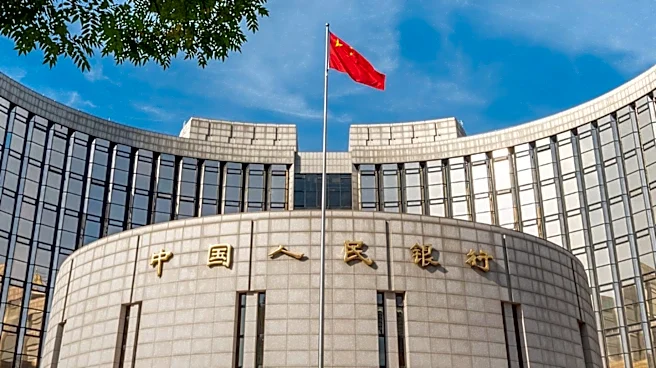
The debate over renewable energy subsidies and standards extends beyond immediate economic impacts, touching upon deeper ethical and strategic considerations. The current approach, which often involves significant consumer-borne costs, raises questions about equitable burden-sharing in the transition to clean energy. There's also a strategic dimension, as the U.S. energy policy is implicitly compared to that of other global powers like China. While the U.S. grapples with the costs and reliability issues of its renewable mandates, China continues to expand its coal capacity, viewing renewables as complementary rather than replacement sources. This divergence in energy strategy could have long-term implications for global economic and technological leadership, particularly in energy-intensive sectors like artificial intelligence. The challenge lies in fostering a sustainable energy transition that supports economic growth and national security without unduly burdening citizens or compromising grid stability.