







What's Happening?
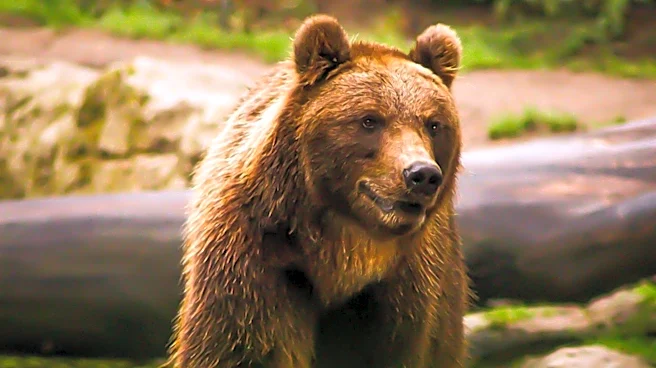
A study conducted by bear specialist Dr. Lana M. Ciarniello in British Columbia, Canada, revealed that nearly all rehabilitated orphan grizzly bears died within a year of being released into the wild. Out of 12 monitored bears, only two survived. The
bears, often significantly bulked up during rehabilitation with diets including roadkill, watermelon, and dog food, were found to be 3.5 times the size of typical wild-reared yearlings. This excessive size burdened them, making it difficult to meet their high caloric needs in the wild. Additionally, some bears developed a lack of fear towards humans, persistently approaching mine workers for food. This human-bear interaction led to several deaths, with five bears killed due to human-wildlife conflict, two illegally killed, and three killed by other wild bears. The study highlights the challenges of preparing orphaned bears for successful reintroduction into their natural habitat, particularly concerning their ability to forage independently and avoid human contact.
Why It's Important?
This research is important for conservation efforts globally, especially for brown bear populations (of which grizzlies are a subspecies) that are not endangered globally but have many small, isolated populations facing threats. The findings challenge the 'feel-good' perception surrounding the release of rehabilitated animals, suggesting that current practices may inadvertently set them up for failure. The study indicates that while public sentiment often favors rescue and release, the long-term success of these programs needs critical re-evaluation. It underscores the need for more effective rehabilitation strategies that prioritize teaching bears essential survival skills and maintaining their natural aversion to humans, rather than solely focusing on physical conditioning. The implications extend to policy and practice in regions considering rewilding, emphasizing that without proper methods, such efforts may be more 'sympathetic management' than effective conservation.
What's Next?
The findings from Dr. Ciarniello's study, funded by the Grizzly Bear Foundation, are expected to inform future policy and practice regarding bear rehabilitation and rewilding in British Columbia and other jurisdictions. The Grizzly Bear Foundation aims to use this research to ensure that science guides decisions on conservation tools. Experts like Chris Servheen, co-chair of the IUCN’s North American bears expert team, and Dr. Zachary David, research program manager at Free the Bears, emphasize the need for more information on effective rehabilitation and release methods. Future efforts will likely focus on developing 'hands-off' rearing techniques, such as using catapults for food delivery and high-frequency beeps for tracking, to minimize human contact and encourage natural behaviors. The goal is to prevent bears from associating humans with food and to equip them with the necessary skills to survive independently, particularly for threatened species like sun bears.
Beyond the Headlines
The study delves into the complex ethical and practical dilemmas of wildlife rehabilitation. It highlights a 'metabolic trap' where excessively large rehabilitated bears struggle to sustain their frames in the wild, even in food-rich environments. This suggests that the current guidelines, which recommend a larger body mass for an advantage against predators, might be counterproductive if taken to extremes. The research also uncovers the persistent issue of habituation, where bears continue to associate humans with food despite prolonged periods in the wild without contact, leading to dangerous encounters. This raises questions about the fundamental 'culture' bears learn from their mothers, which cannot be easily replicated in rehabilitation. The broader implication is a call for a paradigm shift in wildlife rehabilitation, moving from a focus on immediate survival to long-term ecological integration, acknowledging that human intervention, however well-intentioned, can have unforeseen and detrimental consequences on wild animal behavior and survival.