
What's Happening?
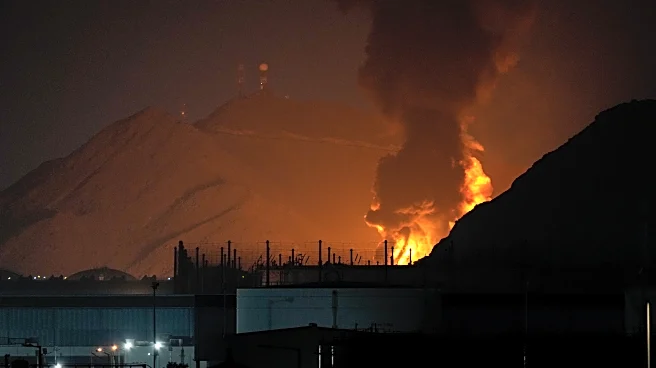
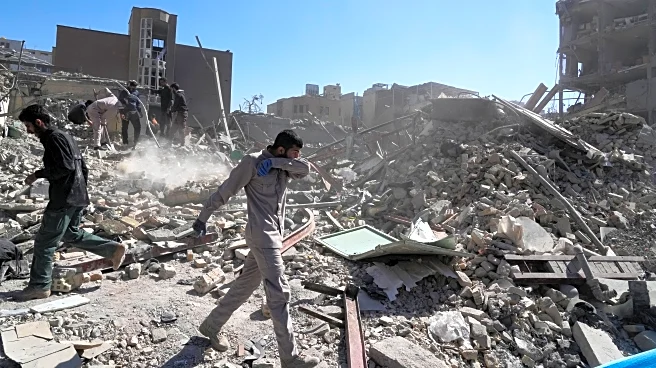
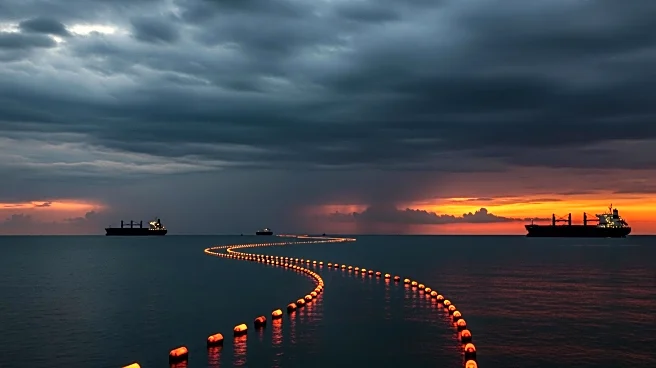
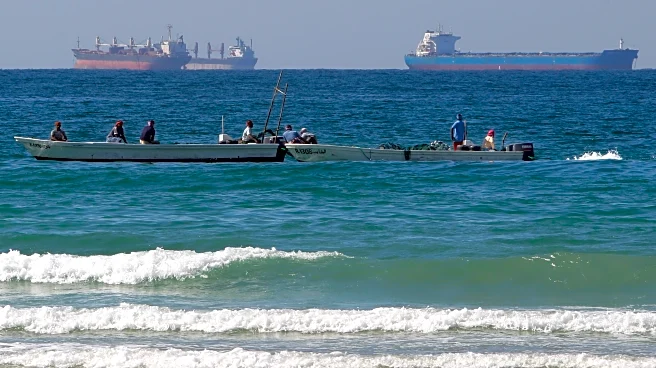
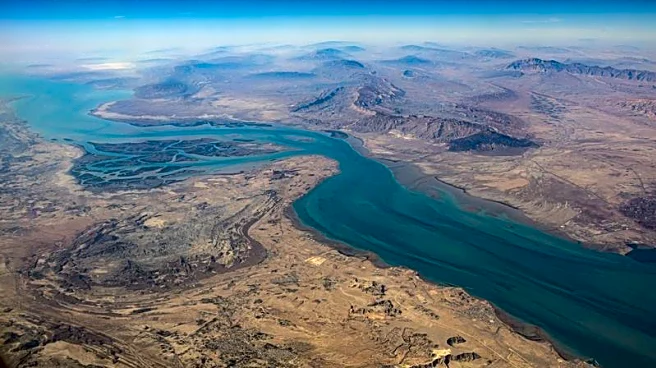
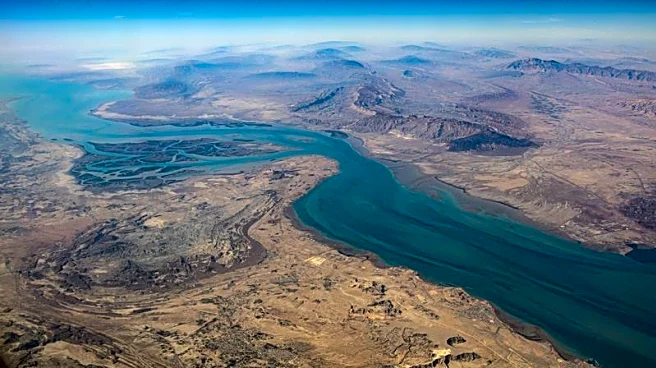
The ongoing U.S.-Iran conflict has led to a significant disruption in shipping through the Strait of Hormuz, a critical passage for global oil and gas supplies. A U.S. submarine strike on an Iranian warship has exacerbated the situation, leaving at least
200 ships, including oil and LNG tankers, stranded. President Trump has pledged to provide insurance and navy escorts to ensure the flow of energy exports from the Middle East. The crisis has resulted in a halt to Qatar's gas liquefaction and forced Iraq to cut oil production due to storage issues. Despite the gridlock, a rare tanker transit occurred when the Suezmax tanker Pola navigated the Strait to load crude in the UAE.
Why It's Important?
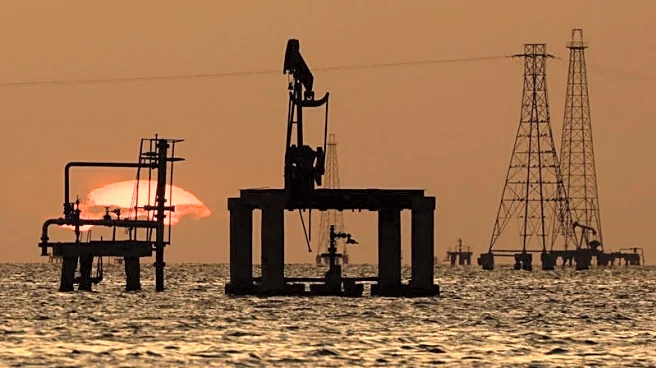
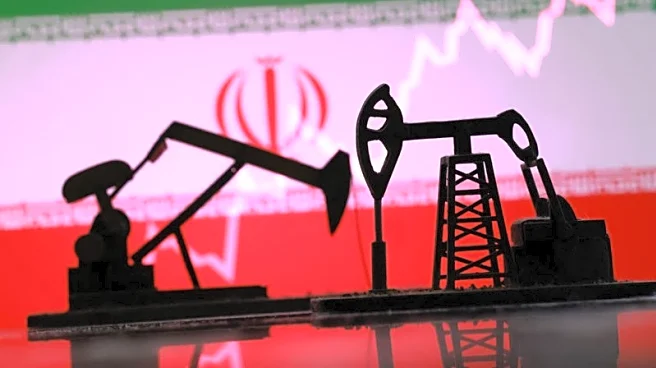
The disruption in the Strait of Hormuz has significant implications for global energy markets, as the waterway is vital for around 20% of the world's oil and LNG supply. The conflict has led to increased oil prices, with Goldman Sachs raising its forecast for Brent crude and WTI. Asian countries, heavily reliant on Middle Eastern oil, are scrambling to find alternative sources, with India considering increased imports from Russia. The situation highlights the vulnerability of global energy supply chains to geopolitical tensions, potentially leading to long-term shifts in sourcing and pricing.
What's Next?
The U.S. government is taking steps to mitigate the impact by providing political-risk insurance and financial guarantees for maritime trade in the Gulf. However, the ongoing conflict and shipping freeze may lead to further disruptions in oil and gas exports, affecting inventories and production levels. Stakeholders, including Asian refiners and petrochemical companies, will need to continue seeking alternative supply routes and sources to manage the shortfall.