







What's Happening?
Wyoming lawmakers in the House Transportation, Highways and Military Affairs Committee have rejected House Bill 146, titled the “Affordable electricity act of 2026,” which aimed to exempt small plug-in solar devices from state-level regulations. The bill,
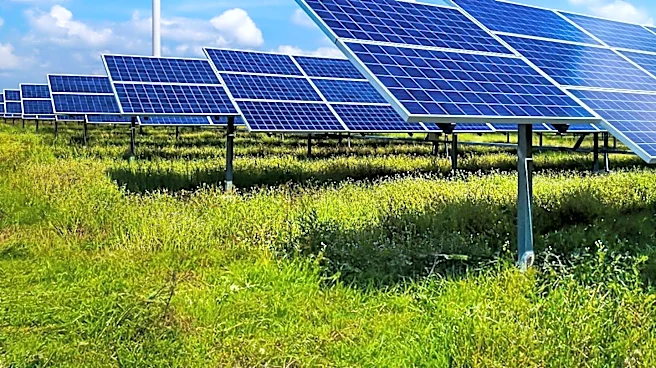
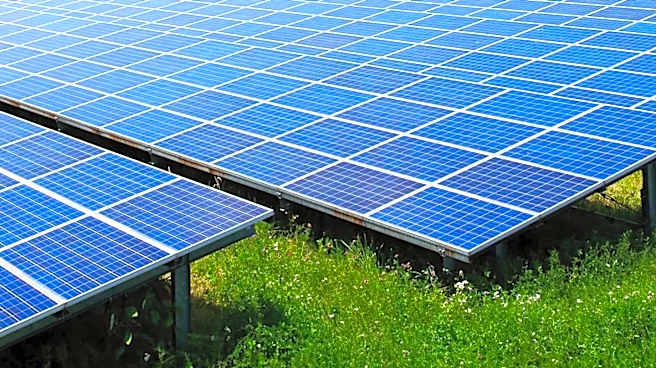
sponsored by Jackson Democratic Rep. Liz Storer, sought to clarify that these devices, unlike rooftop solar systems, would not require city inspections or utility interconnection approval. Proponents argued that plug-in solar panels, often referred to as “balcony solar,” could save renters and homeowners hundreds of dollars monthly, with an investment ranging from $300 to $2,000. This is significantly less than the $10,000 or more required for a full rooftop solar array. Utah passed similar legislation last year, and at least 24 other states are reportedly considering such measures. However, utility representatives, including those from Rocky Mountain Power and Black Hills Energy, raised safety concerns, particularly regarding the potential for overloading home wiring systems and the risk of electrocution for linemen if devices fail to shut off during power outages.
Why It's Important?
The rejection of House Bill 146 highlights a significant conflict between consumer energy independence and utility regulatory concerns in Wyoming. For consumers, particularly low-income households, plug-in solar offers an accessible and affordable way to reduce electricity bills, which have been rising despite Wyoming's historically low rates. The bill's failure means these cost-saving opportunities remain largely inaccessible, potentially exacerbating financial burdens for vulnerable populations. For the energy sector, this decision underscores the power of established utility companies in shaping energy policy, even when faced with widespread public support for alternative energy solutions. The utilities' emphasis on safety, while valid in principle, is viewed by some as a tactic to maintain regulatory control and protect their existing business models. This legislative outcome could also deter innovation and the adoption of distributed energy resources in Wyoming, contrasting with a national trend towards greater energy decentralization and clean energy integration.
What's Next?
The immediate consequence is that plug-in solar devices will continue to be subject to existing state-level regulations in Wyoming, including city inspections and utility interconnection approvals, which can be a barrier for many potential users. Proponents of the bill may seek to reintroduce similar legislation in future sessions, potentially with amendments addressing the safety concerns raised by utilities. This could involve stricter adherence to Underwriters Laboratory (UL) and National Electrical Code standards, or exploring mechanisms to ensure proper installation and functionality. Additionally, the debate may shift towards federal or tribal initiatives, as some suggest that federally recognized Tribes possess inherent sovereignty to adopt their own building codes and exercise Authority Having Jurisdiction (AHJ) status, potentially allowing for the implementation of such solar solutions within tribal lands. The broader discussion around energy independence, consumer choice, and the role of utilities in a changing energy landscape is likely to continue in Wyoming.
Beyond the Headlines
The debate over plug-in solar in Wyoming touches upon deeper issues of market competition, regulatory capture, and the pace of energy transition. The utilities' argument about safety, while presented as a primary concern, is perceived by some as a means to protect their monopolies and resist decentralized energy generation. This resistance can stifle innovation and delay the adoption of technologies that could empower consumers and contribute to broader climate goals. The comparison with European countries, where balcony solar is more common, suggests that regulatory frameworks can either facilitate or hinder the deployment of clean energy solutions. The incident also highlights a potential disconnect between legislative intent to support constituents and the influence of powerful industry lobbies. Ultimately, the outcome in Wyoming reflects a broader national struggle to balance established energy infrastructure with the growing demand for accessible, affordable, and sustainable energy options, raising questions about who truly benefits from current regulatory structures.