







What's Happening?
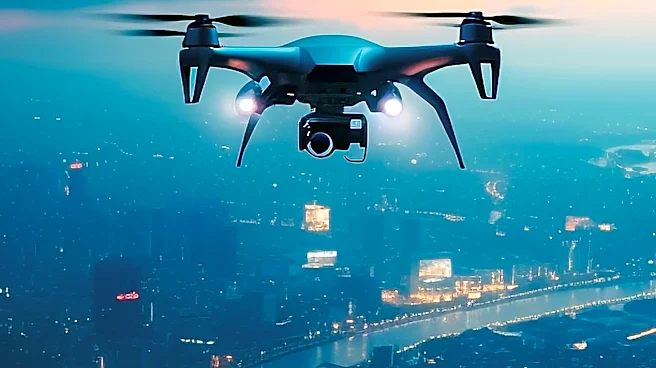
As of January 1, 2024, China has enforced new interim regulations on the flight management of unmanned aircraft, significantly impacting foreign tourists wishing to fly drones. These rules, issued by the State Council and the Central Military Commission,
mandate that all civil drones, regardless of size (even those under 250g), must be registered under the owner's real name. This registration is conducted through the Civil Aviation Administration of China (CAAC) platform, known as the UOM platform. Additionally, every drone must possess a unique product identity code from its manufacturer. Foreign visitors are permitted to register a drone, but reports indicate a Chinese phone number is typically required to receive the necessary SMS verification code for account creation on the UOM platform. The regulations also stipulate that drones produced after May 1, 2026, must be activated through the manufacturer's app or the UOM platform before they can fly, with existing drones having until May 1, 2027, for this requirement. Breaking these rules can lead to fines ranging from 200 to 20,000 yuan, confiscation of the drone, and even administrative detention for serious airspace violations.
Why It's Important?
These stringent drone regulations in China have significant implications for international tourism and technology. For U.S. tourists and drone enthusiasts, the requirement for real-name registration and the practical necessity of a Chinese phone number create a considerable barrier to entry. This could deter some tourists from bringing their drones, impacting the travel experience for those who use drones for photography or recreational purposes. The regulations also highlight China's increasing focus on national security and airspace control, reflecting a broader global trend of governments tightening oversight on drone usage. For drone manufacturers, particularly those selling to the Chinese market, the mandate for unique product identity codes and activation requirements necessitates compliance and potential adjustments to their product features and software. The penalties for non-compliance underscore the seriousness with which China views these regulations, potentially leading to legal complications for foreign visitors who are unaware or disregard the rules. This policy could also influence how other nations develop their own drone regulations, especially concerning foreign visitors and national security.
What's Next?
Foreign tourists planning to visit China with a drone will need to meticulously prepare by attempting to register their drone on the CAAC's UOM platform well in advance of their trip. This includes securing a Chinese phone number, which may involve purchasing a local SIM card upon arrival. Travelers should also carry their passport and a screenshot of their drone registration page at all times when operating a drone. Drone manufacturers will continue to integrate the required product identity codes and activation features into their devices to comply with Chinese standards. There may be ongoing reports from foreign visitors regarding the ease or difficulty of the registration process, particularly concerning the use of foreign phone numbers. The Chinese authorities are expected to continue enforcing these regulations strictly, and potential updates or clarifications to the rules may emerge as their implementation progresses. Travelers should monitor official Chinese tourism and aviation websites for the latest information before attempting to fly a drone in the country.
Beyond the Headlines
The implementation of these drone regulations in China extends beyond mere administrative control, touching upon broader themes of digital sovereignty and data security. The requirement for real-name registration and the potential for tracking drone activity through the UOM platform could be seen as part of China's comprehensive digital governance strategy. This approach allows the government to maintain a high degree of control over information and activities within its borders, including those conducted by foreign nationals. The emphasis on unique product identity codes also suggests a move towards greater accountability for drone manufacturers and users, potentially enabling authorities to trace drones back to their origin and owner more easily. This could set a precedent for other nations grappling with the challenges of drone proliferation, privacy concerns, and national security. The regulations also underscore the evolving nature of international travel in an increasingly digital and security-conscious world, where personal devices are subject to the laws and technological infrastructure of the host country.