



What's Happening?
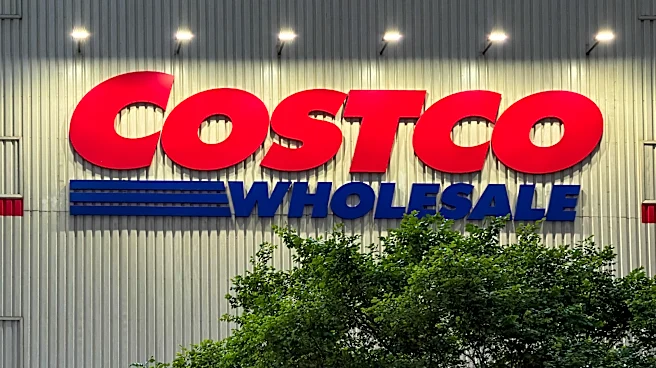
Alamance Foods, Inc. has issued a voluntary recall of Kirkland Signature Real Heavy Whipped Cream sold at Costco stores in 12 states. The recall was initiated due to the potential presence of a cleaning chemical in some cans. The affected products were
sold between October 11 and October 31, 2026, in Alabama, Florida, Georgia, Iowa, Illinois, Indiana, Missouri, Mississippi, North Carolina, South Carolina, Tennessee, and Wisconsin. The recalled whipped cream was sold in three-packs of 15-ounce cans, with an item code of AC50 and a "best if used by" date of April 2, 2027. Consumers have reported a chemical smell and taste, though no serious adverse effects requiring medical care have been reported. Alamance Foods, Inc. is advising customers to stop using the recalled product and return it to Costco for a full refund.
Why It's Important?
This recall is important for public health and consumer safety, as it involves a food product potentially contaminated with a cleaning chemical. Such contamination can pose health risks, even if no serious adverse effects have been reported yet. For Costco and Alamance Foods, Inc., the recall underscores the critical importance of quality control and safety protocols in food manufacturing and distribution. Product recalls can lead to significant financial costs, including investigation, logistics for returns, and potential legal liabilities. More broadly, it can impact consumer trust in the Kirkland Signature brand and Costco, highlighting the need for transparent communication and swift action in such situations. This event serves as a reminder for all food manufacturers to maintain rigorous safety standards to prevent contamination and protect consumers.
What's Next?
Consumers who purchased the recalled Kirkland Signature Real Heavy Whipped Cream are advised to return it to their local Costco store for a full refund. Alamance Foods, Inc. and Costco will likely continue to investigate the cause of the contamination to prevent future occurrences. Regulatory bodies may also review the incident to ensure compliance with food safety standards. The companies will need to manage public relations carefully to mitigate any damage to their brand reputation. This incident may also prompt other food manufacturers to review their own quality control processes and supply chain integrity to prevent similar issues.
Beyond the Headlines
Beyond the immediate health and business implications, this recall highlights the complexities of modern food production and supply chains. The potential for a cleaning chemical to contaminate a food product points to the intricate processes involved in manufacturing and packaging, where even minor deviations can have significant consequences. It also underscores the role of consumer vigilance and the importance of clear communication from manufacturers and retailers during recalls. This event could lead to a broader discussion within the food industry about enhancing safety checks, implementing more advanced detection systems for contaminants, and improving transparency in reporting such incidents to the public. The incident serves as a stark reminder that even seemingly innocuous products require stringent oversight to ensure consumer safety.