
What's Happening?
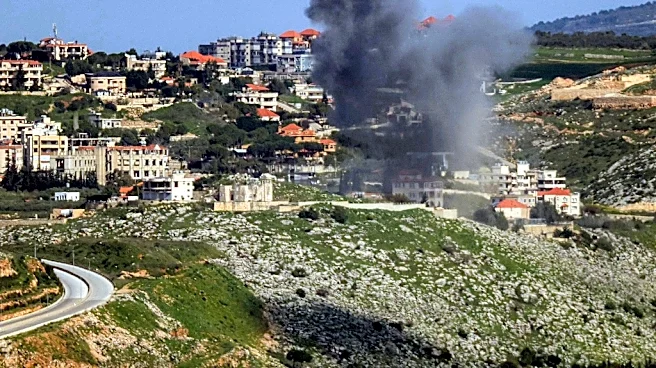
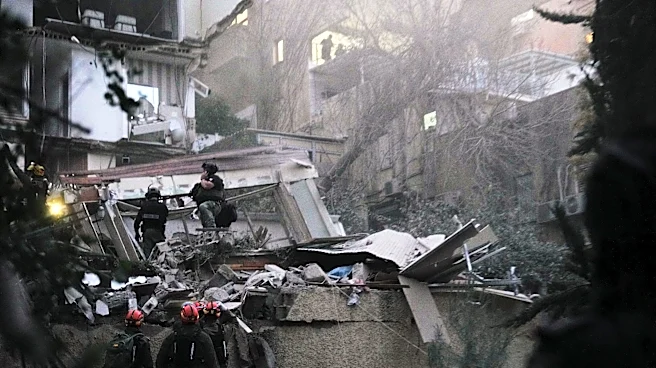
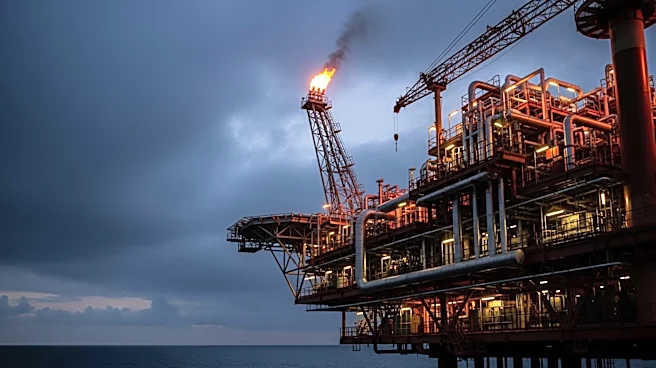
President Donald Trump has issued a warning to Iran following attacks on the South Pars natural gas field, a critical energy source for Iran. The tensions escalated after Israel attacked the South Pars complex,
which is vital for Iran's domestic energy and export earnings. Israel's Defense Minister, Israel Katz, confirmed the attack on a key petrochemical plant, significantly impacting Iran's petrochemical exports. In response to these developments, President Trump stated that if Iran continues to target energy infrastructure in Qatar, the United States would retaliate by 'massively blowing up the entirety' of the South Pars field. This situation has heightened regional tensions and affected global oil prices.
Why It's Important?
The South Pars gas field is crucial for Iran's economy, providing both domestic energy and export revenue. The recent attacks have disrupted Iran's petrochemical exports, which are a significant source of income. The U.S. warning of potential retaliation adds to the geopolitical instability in the region, potentially affecting global energy markets. The situation underscores the strategic importance of the South Pars field and the broader implications for international relations and energy security. Stakeholders in the energy sector, particularly those in countries reliant on Middle Eastern energy exports, are closely monitoring the developments.
What's Next?
The international community is likely to watch for Iran's response to the U.S. warning and any further military actions in the region. Diplomatic efforts may intensify to de-escalate tensions and prevent further disruptions to energy supplies. The potential for increased military engagement could lead to broader geopolitical consequences, affecting global energy prices and international relations. Key stakeholders, including energy companies and governments, will need to assess the risks and prepare for possible supply chain disruptions.