


What's Happening?
Rapid City, South Dakota, has set a deadline of Monday, November 2, for residents to submit their feedback on proposed regulations concerning data centers. These new rules aim to address the potential impact of data centers on local neighborhoods and
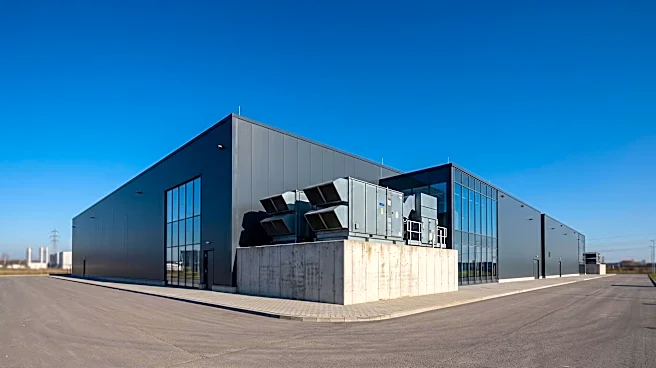
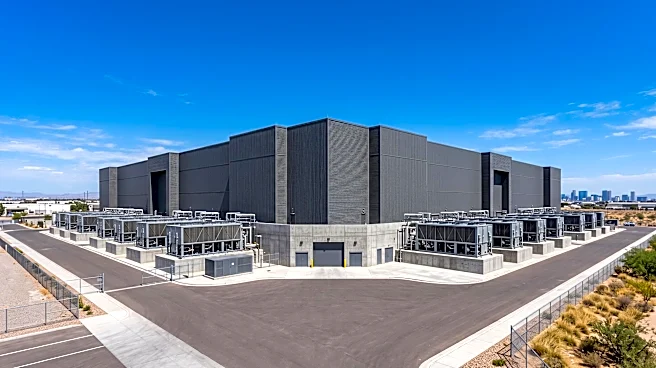
city infrastructure. The proposed ordinance changes would introduce specific requirements for data centers, including their proximity to residential areas, electricity consumption, water and sewer demands, and noise and vibration levels. These amendments build upon an existing ordinance adopted by the Rapid City Common Council in December 2024, which defined data centers and permitted their operation in light industrial and heavy industrial districts. The city previously held a public open house on October 14 to explain the proposal and gather initial feedback. Residents can access presentation materials and submit comments via an online survey or by emailing the Community Development Department. The Rapid City Planning Commission is scheduled to review these proposed amendments again on November 5, following the conclusion of the public comment period.
Why It's Important?
The proposed regulations are important because they reflect a growing concern among communities nationwide regarding the environmental and infrastructural impact of data centers. As these facilities, which house computer servers and digital infrastructure, continue to expand, their significant energy and water consumption, along with potential noise pollution, can strain local resources and affect the quality of life in surrounding areas. For Rapid City, these regulations are crucial for managing urban development sustainably and ensuring that the growth of the technology sector does not negatively impact existing residential zones or public utilities. The outcome of these discussions will set a precedent for how Rapid City balances economic development with environmental and community welfare, potentially influencing future zoning and infrastructure planning decisions for other high-demand industries.
What's Next?
Following the November 2 deadline for public comments, the Rapid City Planning Commission will reconvene on November 5 to review the proposed amendments, taking into account the additional public input received. This review will be a critical step in the legislative process, potentially leading to further revisions or a recommendation for adoption by the Rapid City Common Council. The final decision on these regulations will determine the operational framework for data centers within the city, influencing future investment and development in the technology sector. Stakeholders, including data center operators, environmental groups, and local residents, will be closely watching the commission's deliberations and the subsequent actions of the Common Council, as these decisions will shape the city's landscape and resource management for years to come.
Beyond the Headlines
The debate over data center regulations in Rapid City highlights a broader national challenge: how to integrate rapidly expanding technological infrastructure into existing urban and suburban environments without compromising community well-being or environmental sustainability. This issue extends beyond mere zoning to encompass ethical considerations about resource allocation, particularly water and electricity, in an era of increasing climate concerns. The regulations could set a precedent for how cities manage the footprint of digital infrastructure, potentially influencing policy discussions on energy efficiency, noise control, and urban planning in other municipalities facing similar growth. The community engagement process in Rapid City also underscores the importance of public participation in shaping policies that affect local quality of life and the long-term environmental health of a region.