







What's Happening?
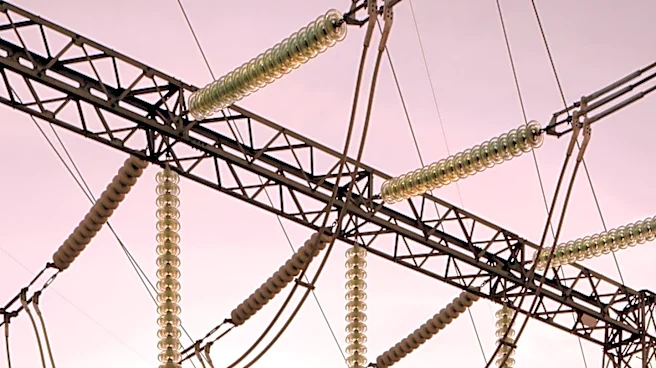
Households across Massachusetts are experiencing a significant increase in electricity bills, with some residents reporting jumps of approximately $100. This surge is attributed to several factors, including volatile natural gas costs, limitations in winter
supply, an aging electrical grid, increasing demand for electricity, and the high cost of infrastructure improvements. The rising temperatures also contribute to higher bills as air conditioners run longer. For instance, a Brockton resident, Louisane Joseph, saw her electricity bill exceed $260 and was informed of another impending rate hike from her supplier. She found relief by switching to National Grid, which offered a lower rate and qualified her for income-based energy assistance. Community organizations, such as the Cape Verdean Association of Brockton, have been assisting numerous residents struggling with these escalating energy costs.
Why It's Important?
The rising electricity costs in Massachusetts have a substantial impact on the financial well-being of many households, particularly those on fixed incomes or working multiple jobs. The increased burden forces families to reconsider their energy consumption habits and how to manage monthly expenses, potentially leading to difficult choices between essential needs. This situation highlights the broader challenges facing the U.S. energy sector, including the reliance on natural gas, the need for grid modernization, and the financial strain placed on consumers by infrastructure investments. The availability of assistance programs and the option to switch suppliers, as demonstrated by Louisane Joseph's case, underscore the importance of consumer awareness and access to support mechanisms in mitigating the effects of these price hikes.
What's Next?
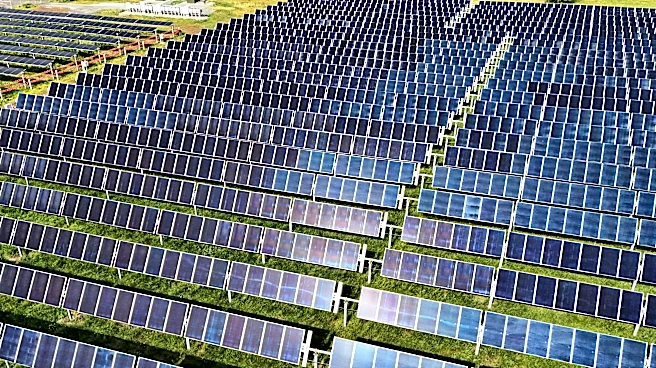
In response to the escalating electricity bills, residents are encouraged to take immediate steps such as reviewing their electricity suppliers, inquiring about hardship programs with their utility providers, and applying for any available income-based assistance. For long-term solutions, homeowners can explore options like going solar, which can significantly reduce home energy costs over time. Resources like EnergySage offer free solar installation estimates and information on incentives. Additionally, energy audits can help identify areas for improvement in home energy efficiency. The ongoing efforts by community organizations to assist residents with energy bills are expected to continue, providing crucial support as households navigate these financial pressures. The broader energy sector will likely continue to grapple with the underlying issues of supply, demand, and infrastructure investment.
Beyond the Headlines
The situation in Massachusetts reflects a national trend where the affordability of essential services like electricity is becoming a critical concern. Beyond the immediate financial strain, these rising costs can exacerbate social inequalities, disproportionately affecting low-income households and vulnerable populations. The reliance on natural gas for electricity generation exposes consumers to market volatility, highlighting the need for a more diversified and resilient energy portfolio. The push towards renewable energy sources like solar, as suggested by the article, not only offers a potential solution for cost reduction but also contributes to environmental sustainability. This scenario underscores the complex interplay between energy policy, economic stability, and social equity, prompting a broader discussion on how to ensure affordable and reliable energy for all citizens while transitioning to cleaner energy sources.