




What's Happening?
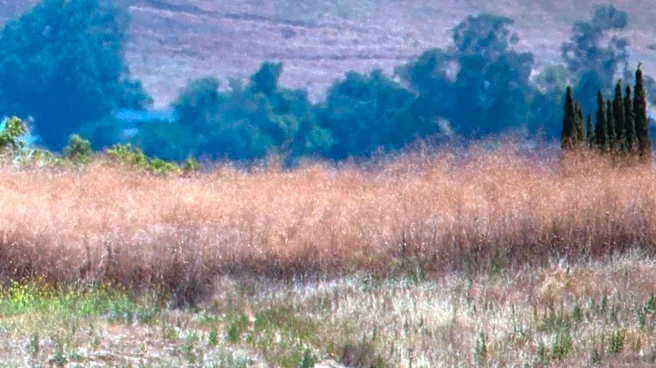
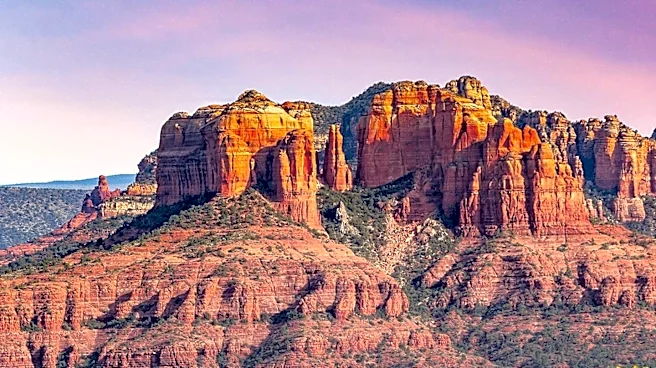
The City of Scottsdale Fire Department is actively engaged in year-round wildfire prevention efforts to mitigate potential destruction, particularly in areas adjacent to the McDowell Sonoran Preserve. According to Scottsdale Fire Captain Dave Folio, these
efforts focus on reducing dry vegetation and debris that can fuel fires. The department also conducts public outreach, requiring contractors to notify them before undertaking 'hot work' that could spark fires. Additionally, they educate homeowners on creating defensible spaces around their properties, advising them to maintain a 30-foot clear zone and remove flammable items from patios. This proactive approach aims to prevent wildfires from escalating and threatening structures or the preserve, as residents like George Sadowski, a fire wise assessor, acknowledge the constant threat of fires in the region.
Why It's Important?
This proactive wildfire prevention strategy by the Scottsdale Fire Department is crucial for safeguarding lives, property, and natural resources in Arizona. The continuous reduction of fuel sources and public education campaigns directly address the high risk of wildfires in arid regions. By engaging contractors and homeowners, the department fosters a community-wide responsibility for fire safety, which can significantly reduce the incidence and severity of wildfires. The emphasis on creating defensible spaces around homes is a critical measure, as it provides firefighters with safer conditions to operate and increases the chances of a property surviving a wildfire. This approach not only protects individual homes but also preserves the ecological integrity of the McDowell Sonoran Preserve, a vital natural asset.
What's Next?
The Scottsdale Fire Department is expected to continue its year-round mitigation efforts, including vegetation management and public education campaigns. Future initiatives may involve further collaboration with community members and local businesses to enhance fire-wise practices. The department will likely maintain its enforcement of contractor notification for hot work and continue to provide resources and guidance to homeowners on creating and maintaining defensible spaces. Ongoing monitoring of environmental conditions, such as drought levels and wind patterns, will also be critical in adapting prevention strategies to evolving wildfire risks. The success of these efforts will depend on sustained community engagement and adherence to fire safety guidelines.
Beyond the Headlines
The comprehensive wildfire prevention strategy in Scottsdale highlights a broader shift in how communities in fire-prone regions are addressing environmental threats. Beyond immediate firefighting, there's a growing recognition of the importance of long-term ecological management and community resilience. This approach underscores the interconnectedness of urban development and natural landscapes, emphasizing that human activities and environmental health are inextricably linked. The focus on public education and individual responsibility also reflects a cultural shift towards proactive risk management rather than solely reactive emergency response. This model could serve as a blueprint for other U.S. communities facing similar wildfire challenges, promoting sustainable living practices and fostering a more resilient relationship with the natural environment.