



What's Happening?
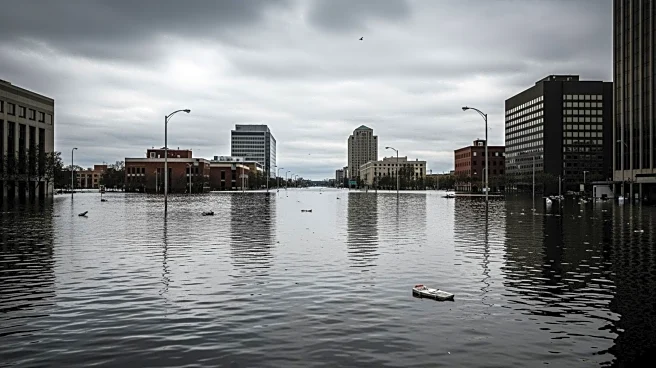
Heavy rain and cold weather have led to severe flooding across the Gaza Strip, exacerbating an already dire humanitarian situation. The flooding has resulted in the deaths of at least two infants and has severely impacted the living conditions of Palestinians,
the majority of whom reside in temporary shelters such as tents. This situation follows two years of ongoing conflict, which has left much of the population vulnerable and in need of aid. The flooding has further complicated efforts to provide relief and support to those affected, as the infrastructure in the region struggles to cope with the adverse weather conditions.
Why It's Important?
The flooding in Gaza highlights the ongoing humanitarian challenges faced by the region, which are compounded by environmental factors. The situation underscores the vulnerability of populations living in conflict zones, where infrastructure is often inadequate to handle natural disasters. This event may prompt international humanitarian organizations to increase their efforts in providing aid and support to the affected populations. Additionally, it raises questions about the long-term sustainability of living conditions in such areas and the need for more robust infrastructure to withstand environmental challenges.
What's Next?
In the wake of the flooding, humanitarian organizations are likely to intensify their relief efforts to provide immediate assistance to those affected. This may include the distribution of essential supplies such as food, water, and medical aid. There may also be calls for international support to help rebuild and strengthen the infrastructure in Gaza to prevent similar crises in the future. The situation may also prompt discussions among international bodies about the need for more comprehensive strategies to address the root causes of vulnerability in conflict-affected regions.