





What's Happening?
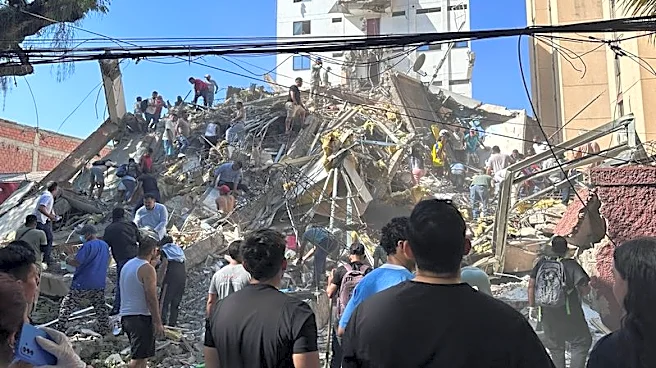
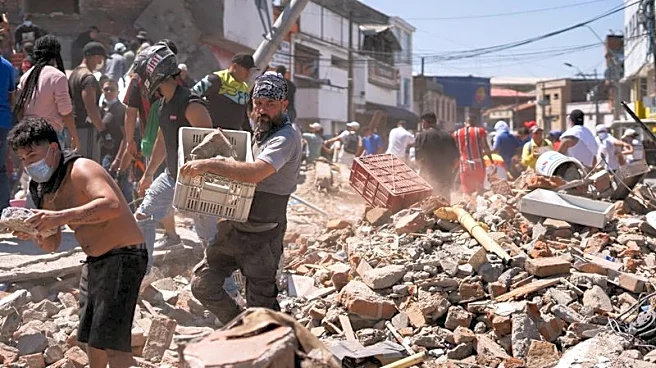
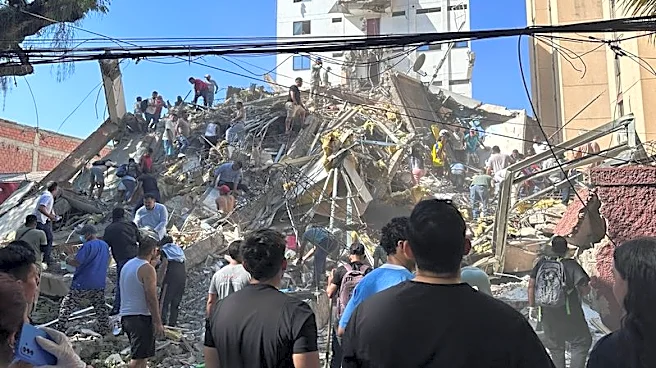
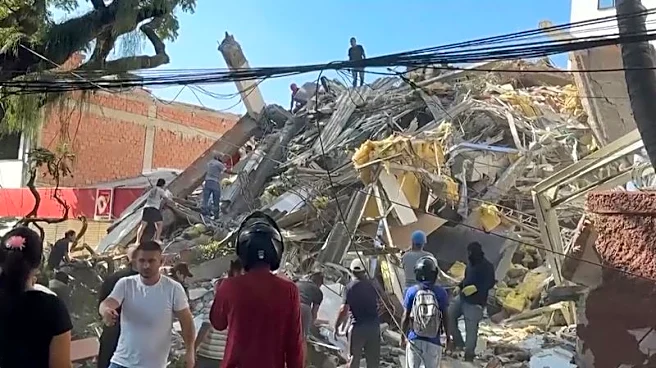
Colombia has declared a national emergency after a powerful earthquake struck the country, resulting in at least 111 deaths and significant damage. The earthquake, with a magnitude of 7.4 according to the US Geological Survey, affected multiple regions,
including the capital, Bogota. The epicenter was located in San Jose Del Palmar in the Choco region. The quake caused widespread destruction, with around 1,600 buildings damaged and at least 61 completely destroyed. International support has been offered, with countries like the US, Israel, and members of the EU expressing solidarity and readiness to assist.
Why It's Important?
The earthquake in Colombia underscores the vulnerability of regions prone to seismic activity and the importance of disaster preparedness and international cooperation in response efforts. The declaration of a national emergency allows for the mobilization of resources and aid to affected areas, highlighting the need for robust infrastructure and emergency response systems. The international community's quick response reflects the global nature of disaster relief efforts and the importance of solidarity in times of crisis. The event also raises awareness about the potential impacts of natural disasters on communities and economies.
What's Next?
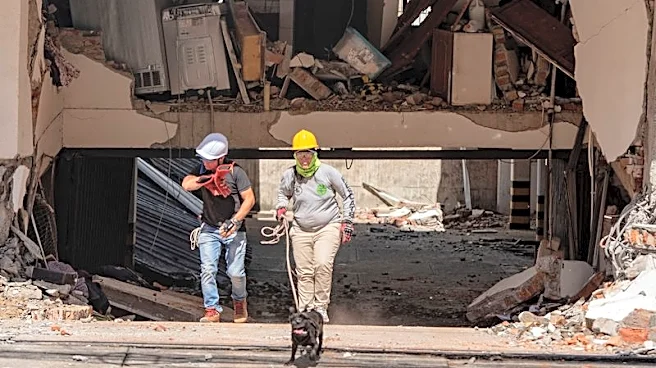
In the aftermath of the earthquake, Colombia will focus on rescue and recovery operations, with international aid expected to play a crucial role. The government will likely prioritize rebuilding efforts and assess the need for long-term infrastructure improvements to mitigate future risks. The response from international organizations and countries may include financial aid, technical support, and humanitarian assistance. The situation will also prompt discussions on improving disaster preparedness and resilience in Colombia and similar regions.