





What's Happening?
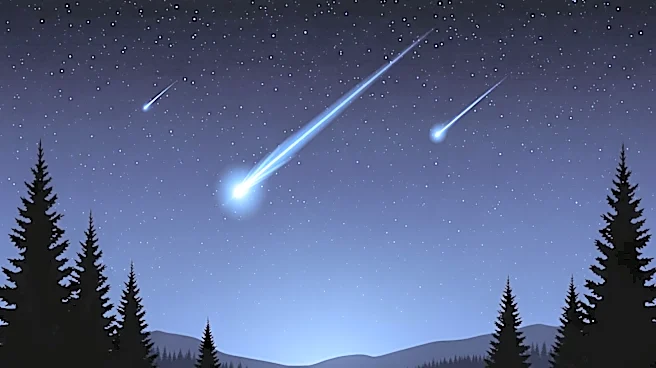
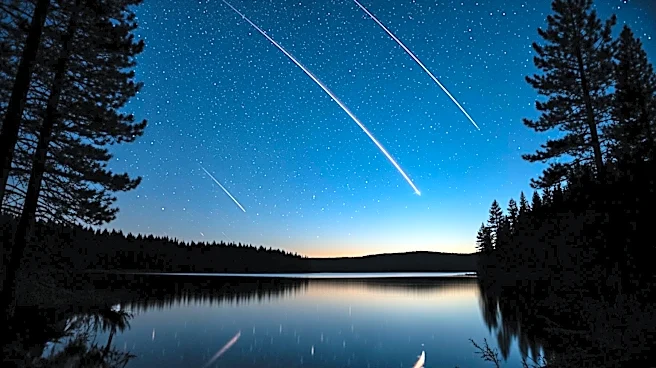
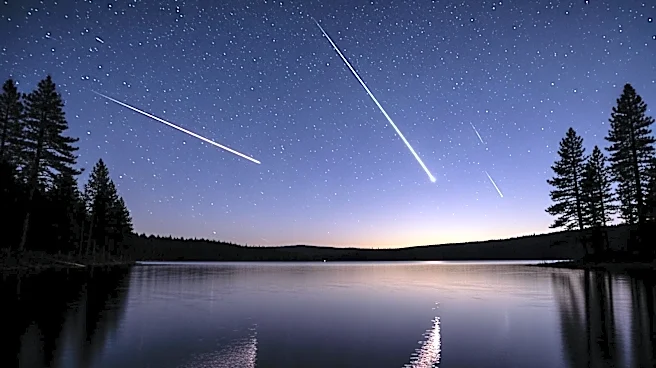
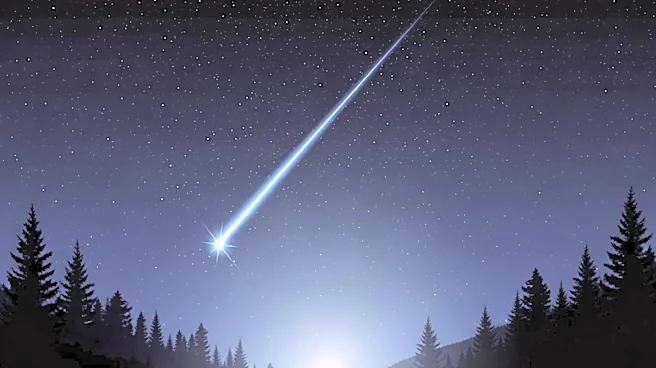
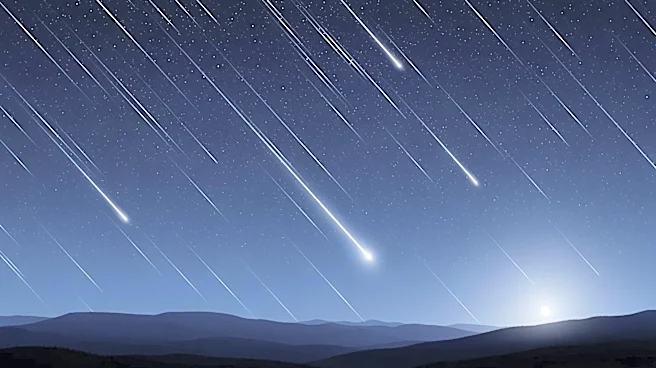
The Lyrid meteor shower, one of the oldest known annual meteor showers, is set to peak on April 21-22, providing a dazzling display for sky-watchers. This celestial event occurs every April as Earth passes through the debris trail left by Comet Thatcher.
The Lyrids are known for their bright and fast meteors, with some leaving persistent trails visible for several seconds. Historically, the Lyrids have been a reliable sky show, with records dating back over 2,600 years. The best viewing conditions are in dark, moonless skies, away from city lights. Observers in the Northern Hemisphere will have the best views, as the meteors will appear to radiate from the constellation Lyra, near the star Vega. The shower is expected to produce up to 20 meteors per hour, with occasional bursts of higher activity.
Why It's Important?
The Lyrid meteor shower is significant as it offers a natural spectacle that connects people with the cosmos, fostering interest in astronomy and science. It provides an opportunity for educational outreach and public engagement in scientific observation. The event also highlights the dynamic nature of our solar system and the ongoing interactions between Earth and celestial bodies. For amateur astronomers and enthusiasts, the Lyrids offer a chance to observe and document meteor activity, contributing to citizen science projects. The shower's predictability and historical significance make it a cultural event, celebrated by communities and individuals who gather to witness the night sky's beauty.
What's Next?
As the Lyrid meteor shower peaks, sky-watchers are encouraged to find locations with minimal light pollution to maximize their viewing experience. The event will continue until April 30, allowing multiple opportunities for observation. Astronomers and enthusiasts may use this time to study the meteors' characteristics and contribute to ongoing research. Public interest in the Lyrids may lead to increased participation in astronomy clubs and events, fostering a greater appreciation for space science. The shower's occurrence may also inspire discussions about the importance of preserving dark skies and reducing light pollution.
Beyond the Headlines
The Lyrid meteor shower serves as a reminder of the vastness and complexity of the universe. It underscores the importance of scientific inquiry and the need to understand our place in the cosmos. The event also highlights the cultural and historical significance of celestial phenomena, which have been observed and recorded by civilizations for millennia. As technology advances, the ability to study and predict meteor showers improves, offering new insights into the behavior of comets and the solar system's dynamics. The Lyrids, with their long history and reliable appearance, continue to captivate and inspire people worldwide.