







What's Happening?
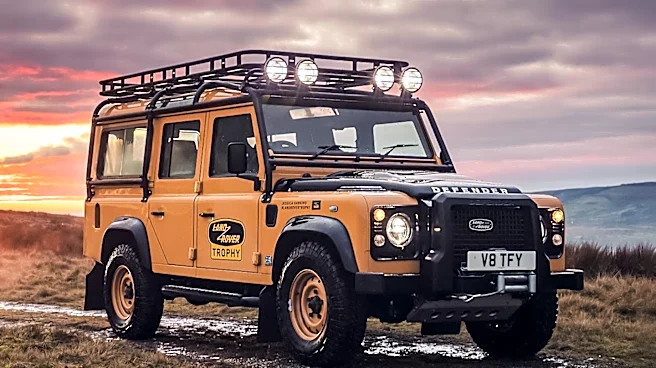
Vallfirest, a Spanish manufacturer of wildfire suppression and prevention equipment, is proposing to convert classic Defender vehicles into compact tactical units for fighting wildfires. The company suggests that Defenders, produced between 1983 and 2016,
could serve as a new generation of support vehicles capable of accessing remote forest locations that are often inaccessible to conventional fire trucks. The proposal centers on Vallfirest's new Compact Tactical Unit, a smaller version of its existing modular systems, designed to fit the Defender platform. These modular units would include water tanks, pumps, hose reels, and equipment storage, and could be removed from the vehicle in under five minutes. This initiative aligns with a broader trend in the emergency vehicle sector of refurbishing existing vehicles to extend their operational life and integrate modern technology. Vallfirest emphasizes the Defender's established off-road capabilities, compact size, and payload capacity as key advantages for navigating challenging terrain and narrow forestry tracks during wildfire operations.
Why It's Important?
This proposal offers a potentially cost-effective and sustainable solution for enhancing wildfire response capabilities, particularly in the U.S. and other regions with extensive wildland-urban interfaces. By repurposing existing vehicles, the initiative could significantly lower acquisition costs compared to purchasing new, specialized firefighting apparatus. This could be particularly beneficial for smaller fire departments or agencies with limited budgets. The focus on operational flexibility and the ability to access remote areas addresses a critical challenge in wildfire suppression, where rapid deployment to difficult-to-reach locations is crucial for containment. Furthermore, the reuse of vehicles promotes sustainability by extending their working life and reducing the demand for new manufacturing. The availability of a global fleet of over two million Defenders and a mature restoration market suggests that this concept could be widely implemented, providing a robust and adaptable resource for protecting forests and communities from the increasing threat of wildfires.
What's Next?
The next steps for Vallfirest would likely involve demonstrating the efficacy and practicality of their Compact Tactical Unit integrated with a classic Defender. This could include pilot programs with firefighting organizations in regions prone to wildfires, such as the Western U.S. Successful demonstrations would be crucial for gaining acceptance and adoption within the emergency services sector. The company would also need to establish partnerships with vehicle restoration specialists to ensure a consistent supply of well-maintained Defenders for conversion. Additionally, Vallfirest may need to navigate regulatory approvals and certifications for these repurposed vehicles to be officially deployed in firefighting operations. The initiative could also spur further innovation in modular firefighting systems, encouraging other manufacturers to develop similar adaptable solutions for various vehicle platforms.
Beyond the Headlines
Beyond the immediate operational benefits, this initiative highlights a broader shift towards resourcefulness and sustainability in emergency services. The concept of repurposing existing assets rather than constantly acquiring new ones reflects a growing awareness of environmental impact and economic efficiency. It also underscores the enduring value of robust, well-engineered vehicles like the Defender, which can be adapted for new roles decades after their initial production. This approach could inspire similar initiatives in other sectors facing resource constraints or environmental pressures. Furthermore, the project could foster a unique collaboration between the automotive restoration industry and emergency services, creating new economic opportunities and specialized skill sets. The ethical dimension of extending the life cycle of vehicles, rather than contributing to a 'throwaway' culture, also resonates with contemporary values of conservation and responsible resource management.