

What's Happening?
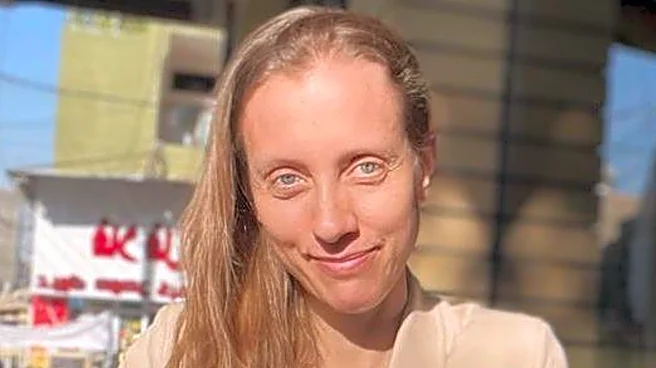
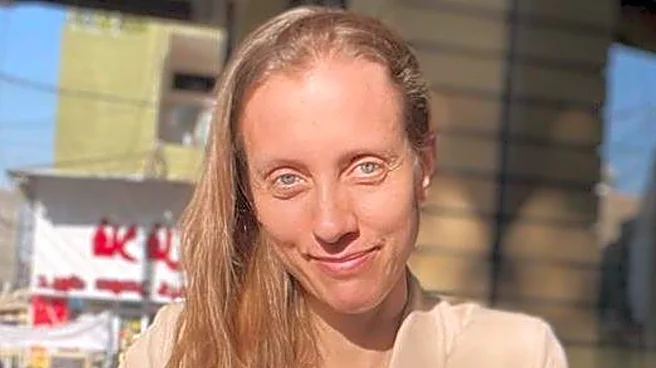
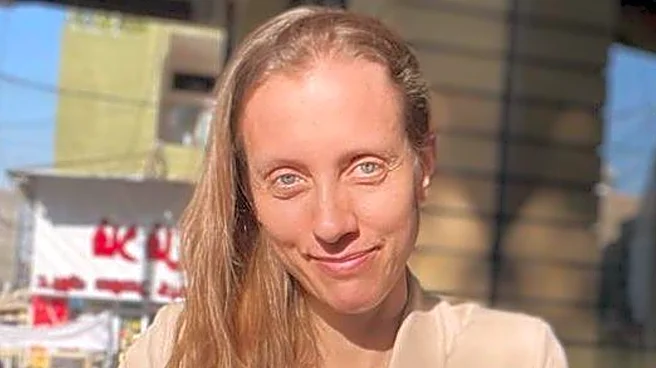
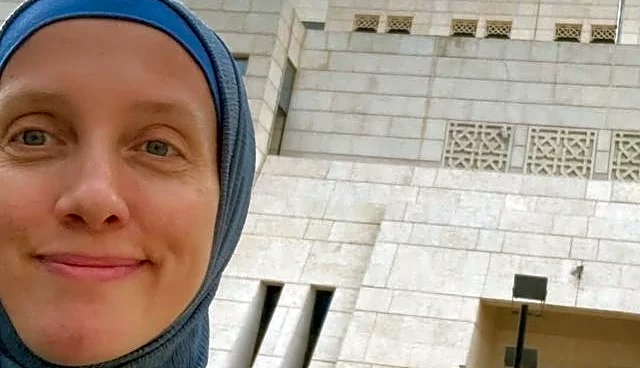
Shelly Kittleson, a 49-year-old freelance American journalist, was released from captivity in Iraq after being kidnapped by Kataib Hezbollah, an Iran-backed militia group. U.S. Secretary of State Marco Rubio announced her release, which was reportedly
part of an exchange deal involving the release of several militia members detained by Iraqi authorities. Kittleson's mother, Barb Kittleson, expressed relief and hope that her daughter would return to their home in rural Wisconsin. Shelly Kittleson, who left Wisconsin in 1995, has been working as a journalist in the Middle East, covering regions like Iraq and Syria. Her mother has not seen her since 2002 and is eager for her return, especially after the death of her husband in 2024.
Why It's Important?
The release of Shelly Kittleson highlights the ongoing risks faced by journalists working in conflict zones, particularly in the Middle East. It underscores the complex geopolitical dynamics involving Iran-backed militias and their interactions with U.S. interests in the region. The incident also reflects the broader challenges of ensuring the safety of foreign nationals in volatile areas. For the U.S., such situations necessitate diplomatic negotiations and can influence foreign policy decisions. The personal aspect of the story, involving a family's long-awaited reunion, adds a human dimension to the geopolitical narrative.
What's Next?
Following her release, it remains to be seen whether Shelly Kittleson will return to the U.S. or continue her work abroad. The U.S. government may continue to monitor the activities of Kataib Hezbollah and other similar groups to prevent future kidnappings. Additionally, there may be increased efforts to ensure the safety of journalists in conflict zones, possibly through enhanced diplomatic measures or security protocols.