



What's Happening?
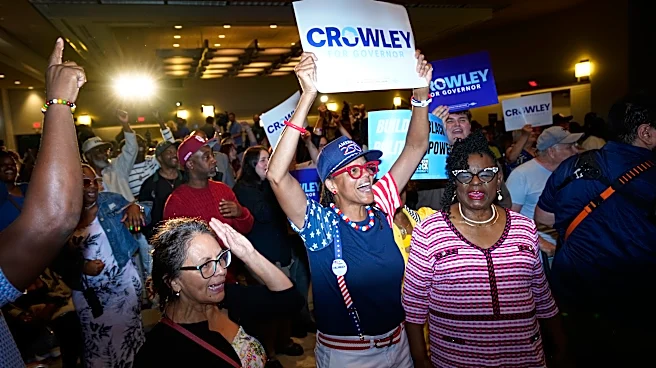
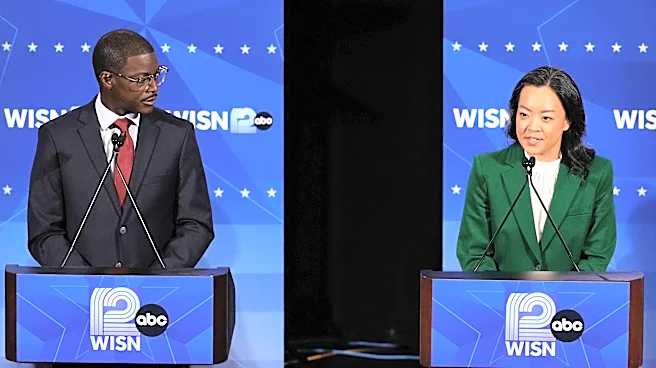
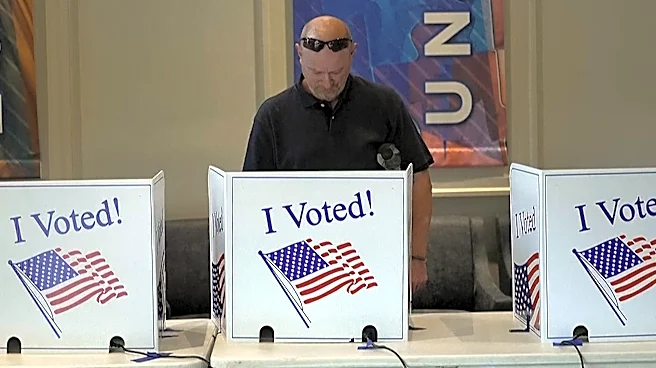
Primary elections are taking place in Minnesota and Wisconsin, where voters will decide on nominees for various state and local offices. Key races include the Republican primary for Minnesota governor and the Democratic primary for Wisconsin governor.
Voters will also select candidates for congressional and state legislative seats. The elections are crucial for determining the political landscape ahead of the general elections in November. Voter turnout and engagement are expected to be high, with significant interest in competitive races.
Why It's Important?
Primary elections play a critical role in shaping the political landscape by determining which candidates will represent their parties in the general election. The outcomes can influence party strategies and voter mobilization efforts. High-profile races, such as those for governor, can impact state policies and national political dynamics. The primaries also provide insight into voter priorities and the issues that may dominate the general election. Understanding the results can help political analysts and stakeholders anticipate shifts in political power and policy direction.
What's Next?
As polls close, election officials will begin counting votes and reporting results. Candidates and parties will analyze the outcomes to adjust their strategies for the general election. Voter turnout data will be scrutinized to understand engagement levels and demographic trends. The results may prompt discussions on campaign strategies, policy priorities, and voter outreach efforts. Political observers will closely monitor the impact of the primaries on the broader political landscape, including potential shifts in party dynamics and voter sentiment.