






What's Happening?
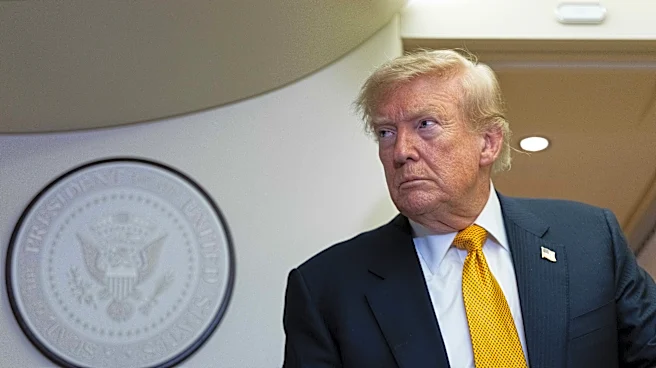
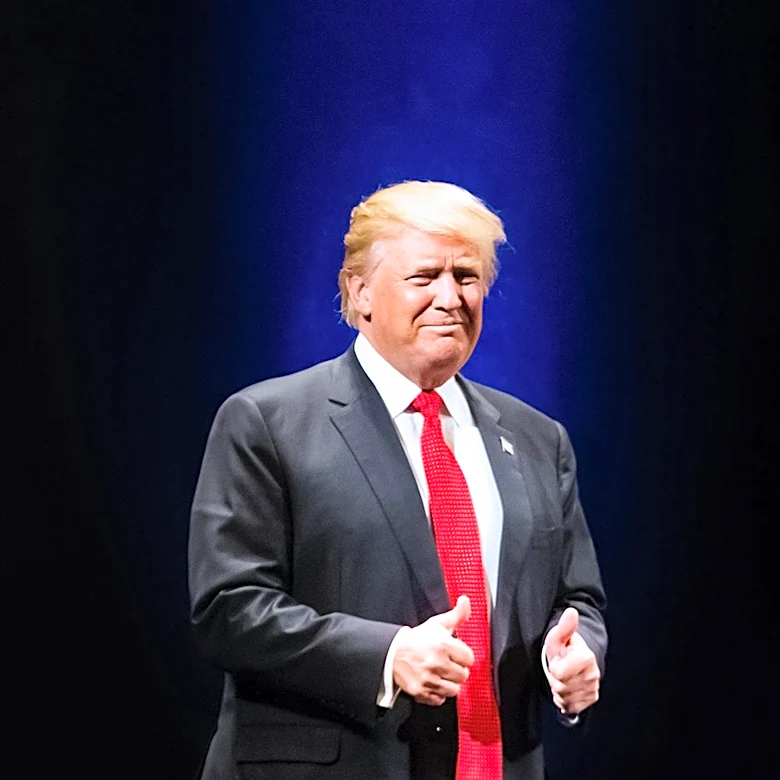
During a NATO summit in Ankara, President Trump reignited his interest in acquiring Greenland, a territory of Denmark, suggesting it should be under U.S. control. This statement has revived tensions between the U.S. and Denmark, with Danish Prime Minister
Mette Frederiksen reaffirming Greenland's status and Denmark's commitment to its sovereignty. Trump's comments have brought back memories of a previous diplomatic clash in January when he threatened tariffs on European countries to pressure Denmark. The situation was temporarily defused by NATO Secretary-General Mark Rutte, but the underlying issues remain unresolved. Denmark and Greenland have been engaged in talks with the U.S. to find a diplomatic solution, but progress has been slow.
Why It's Important?
The renewed focus on Greenland by President Trump highlights ongoing geopolitical tensions and the strategic importance of the Arctic region. Greenland's location and resources make it a significant point of interest for global powers, including the U.S., Russia, and China. Trump's push for control over Greenland could strain U.S.-European relations, particularly within NATO, where mutual trust and respect for sovereignty are crucial. The situation underscores the complexities of international diplomacy and the potential for territorial disputes to impact broader alliances and security strategies.
What's Next?
The future of U.S.-Denmark relations regarding Greenland remains uncertain. Diplomatic efforts are ongoing, but the lack of tangible results suggests that tensions could persist. The European Union and NATO may need to address the issue more directly to prevent further escalation. Additionally, the upcoming U.S. congressional midterm elections could influence the administration's approach, as domestic opposition to annexing Greenland is strong. The international community will likely continue to monitor the situation closely, given its implications for Arctic security and geopolitical stability.