





What's Happening?
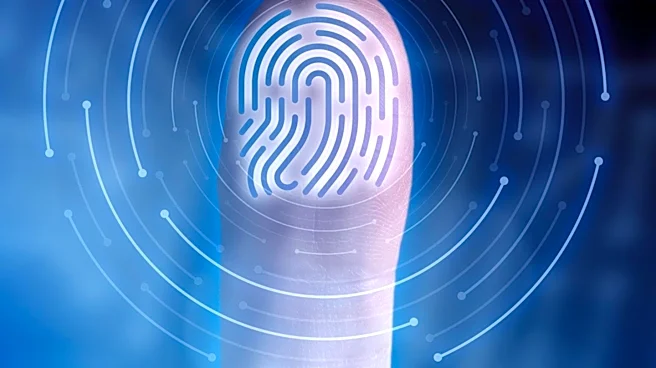
The Directorate of Criminal Investigations (DCI) has launched a new Multi-Biometric Identification System (MBIS) to significantly reduce the processing time for Certificates of Good Conduct. This upgraded technology replaces traditional ink-based fingerprint
recording with digital biometric capture, including fingerprints, palm prints, and facial images. The DCI states that the MBIS has been installed in several locations, including Eldoret, Kitale, Kitui, and Garissa, with the goal of enabling applicants to obtain their certificates in less than five minutes. This marks a substantial improvement from the previous timeline of at least 14 working days. The system was officially launched at DCI headquarters in Nairobi on July 23, 2026, by Interior Cabinet Secretary Kipchumba Murkomen. Applicants are required to complete an online application via the eCitizen platform and carry specific documents, such as their original National Identity Card, two copies of the payment invoice, and a printed Form C24, before visiting a designated biometric desk.
Why It's Important?
This technological advancement by the DCI is important as it streamlines a critical public service, making it more efficient and accessible. The reduction in processing time from weeks to minutes for Certificates of Good Conduct directly benefits citizens by saving them time and effort. This efficiency can have broader positive impacts on various sectors, including employment, travel, and other official processes that require police clearance. The shift to digital biometric capture also enhances the accuracy of identity verification and strengthens the DCI’s ability to identify individuals for criminal investigations, thereby improving public safety and security. The increased record-handling capacity of the system, from two million to 10 million records, and the daily fingerprint search capability, from 4,500 to 20,000, signify a major upgrade in the DCI's operational capabilities. This initiative also demonstrates a commitment to modernizing government services through technology, setting a precedent for other public institutions.
What's Next?
The DCI plans to continue the rollout of the Multi-Biometric Identification System to more locations, further decentralizing Police Clearance Certificate services and making them accessible to a wider public. Applicants will need to continue following the online application process through the eCitizen portal before visiting the biometric centers. The DCI anticipates that the upgrade will lead to same-day issuance of Police Clearance Certificates at all connected centers. The success of this system could encourage further integration of biometric technology into other government services, potentially leading to more efficient and secure processes across various public sectors. Continued training for Huduma Centre officers on the use of the new system will be crucial to ensure smooth operations and consistent service delivery as the system expands.
Beyond the Headlines
The implementation of the Multi-Biometric Identification System raises broader implications regarding data privacy and security. While the system aims to improve efficiency and accuracy, the digital capture and storage of sensitive biometric data, including fingerprints, palm prints, and facial images, necessitate robust safeguards against potential misuse or breaches. The immutability of biometric data means that any compromise could have long-lasting consequences for individuals. This development also highlights a global trend towards increased reliance on biometric technology for identification and verification, prompting discussions about the balance between convenience, security, and individual privacy rights. The DCI's move could serve as a case study for other nations considering similar technological upgrades in their public services, emphasizing the importance of comprehensive data protection policies alongside technological advancements.