



What's Happening?
Massachusetts Senate President Pro Tempore William Brownsberger has won his reelection bid for the Suffolk and Middlesex District by a narrow margin of 35 votes against challenger Daniel Lander, following a district-wide recount. The final tally showed
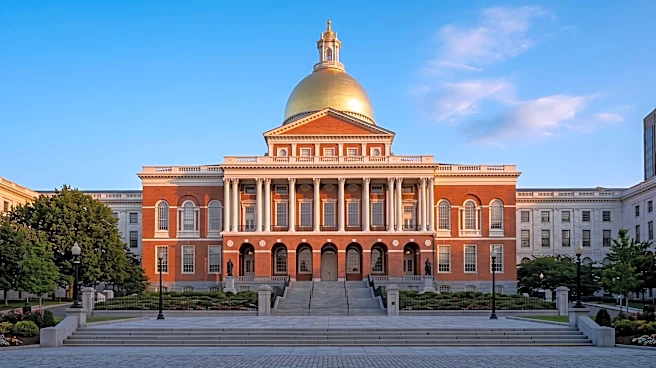
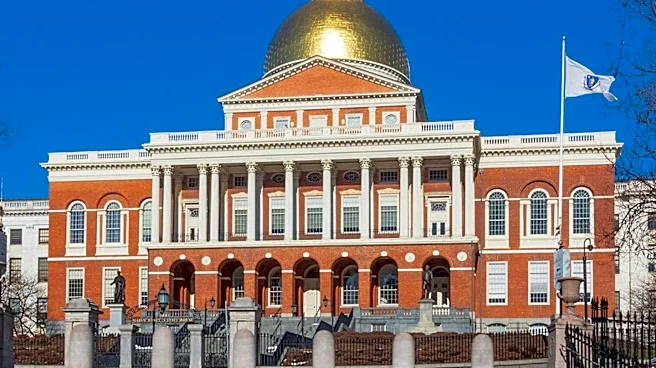
Brownsberger with 12,293 votes to Lander's 12,258. This closely watched primary race initially saw Lander leading by three votes on election night, which then shifted to a 34-vote lead for Brownsberger before the recount. The contest was viewed as a proxy battle reflecting voter dissatisfaction with the political status quo on Beacon Hill and a test of Boston Mayor Michelle Wu's political influence, as Lander had her backing. Brownsberger was the highest-ranking lawmaker to face a primary challenge this cycle, and with no Republican candidate in the general election, his primary victory effectively secures his seat. The recount process was closely monitored by several senators who showed institutional support for Brownsberger.
Why It's Important?
This narrow victory for Senator Brownsberger underscores the competitive nature of local politics and the significant impact of voter sentiment, even in established districts. The race's characterization as a 'proxy war' highlights underlying tensions within the Democratic party in Massachusetts, particularly between established legislative leadership and progressive challengers supported by figures like Mayor Wu. The outcome suggests that while there may be calls for change, the incumbent power structure remains resilient. The involvement of numerous senators in monitoring the recount also signals the importance of this race to the broader legislative body, indicating a collective effort to maintain stability and support experienced leadership. For Mayor Wu, Lander's defeat, despite the narrow margin, could be seen as a setback in her efforts to influence state legislative composition, particularly after Brownsberger's role in quashing her tax reclassification push in 2024.
What's Next?
With the primary results affirmed, Senator Brownsberger will continue to serve as Senate President Pro Tempore, maintaining his influential role in the Massachusetts State Senate. The focus for lawmakers will now shift towards the general election and addressing unfinished legislative business. Senate President Karen Spilka has urged colleagues to move past primary campaign politics and concentrate on legislative work. The close contest, however, may embolden future challengers and encourage continued scrutiny of legislative actions and responsiveness to voter concerns. Daniel Lander has indicated his campaign has 'woken up the State Senate' and vowed to continue fighting for change, suggesting ongoing pressure on the Beacon Hill establishment. The outcome also sets the stage for potential future political dynamics between Boston's mayoral office and the State House.
Beyond the Headlines
The intense focus and institutional support for Senator Brownsberger during the recount reveal the deep-seated dynamics of power and influence within the Massachusetts State House. The race was not just about a single district but became a symbolic battle for the direction of the Democratic party in the state. The narrative of 'voter dissatisfaction with the Beacon Hill status quo' suggests a broader public desire for more responsive governance, even if it didn't translate into an upset victory in this instance. The outcome also highlights the strategic importance of internal party endorsements and the challenges faced by challengers attempting to unseat well-entrenched incumbents. This election could serve as a case study for future campaigns on the effectiveness of grassroots movements versus established political machinery, and the role of high-profile endorsements in local races.