


What's Happening?
Eritrea is emerging as a key geopolitical player in the Horn of Africa due to its strategic location along the Red Sea. The country, ruled by President Isaias Afwerki, controls important coastal points, including the ports of Assab and Massawa. Eritrea's
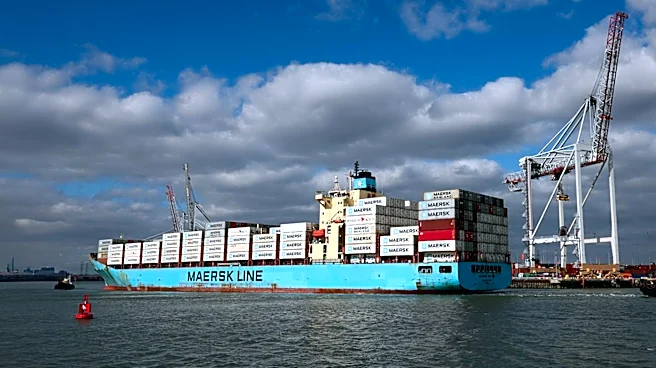
position is becoming increasingly significant amidst international trade conflicts and regional security challenges. The country's stability contrasts with the turmoil in neighboring regions like Ethiopia, Sudan, and Yemen. Eritrea's strategic importance is underscored by its role in facilitating trade and addressing security issues in the Red Sea and Horn of Africa.
Why It's Important?
Eritrea's strategic location along the Red Sea makes it a crucial player in regional geopolitics, particularly for trade routes and maritime security. The country's stability is attractive to regional powers such as Saudi Arabia and Egypt, who seek to maintain strong relations with Eritrea. However, Eritrea's autocratic governance and lack of constitutional institutions pose risks to its long-term stability. The country's role in regional geopolitics has implications for international trade, security, and diplomatic relations, especially as tensions with Ethiopia over access to the Red Sea continue to simmer.
Beyond the Headlines
Eritrea's geopolitical significance is tied to its ability to maintain stability in a volatile region. The country's authoritarian regime, while providing a semblance of order, also raises concerns about human rights and governance. Eritrea's strategic maneuvers, including diplomatic outreach to regional powers, reflect its efforts to balance relations and counterbalance Ethiopia's influence. The potential for leadership change in Eritrea could impact regional dynamics, highlighting the need for careful monitoring of political developments within the country.