


What's Happening?
Recent research has highlighted the benefits of creatine supplementation beyond its traditional use in athletic performance. According to a study led by Dr. Richard Kreider from Texas A&M University, creatine plays a crucial role in maintaining cellular
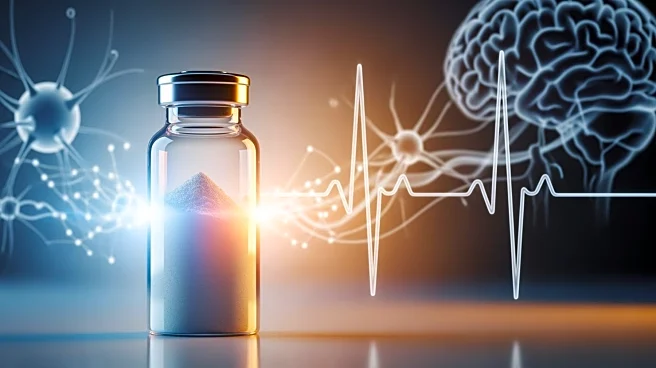
energy, particularly under stress conditions such as intense exercise or metabolic disorders. The study reviewed numerous clinical trials and found no significant side effects associated with creatine use, countering common misconceptions about its safety. Additionally, research from Virginia Tech has explored creatine's impact on brain function, suggesting it supports neurotransmitter systems and may aid in learning, memory, and seizure control. The study also investigates innovative methods to deliver creatine directly to the brain, potentially benefiting individuals with creatine deficiency disorders.
Why It's Important?
The findings underscore the potential of creatine as a vital supplement for broader health benefits, not just for athletes. By enhancing energy availability in cells, creatine could support brain and heart health, offering a protective effect during metabolic stress. This could have significant implications for individuals with conditions that affect energy metabolism, such as neurodevelopmental disorders. The research also challenges existing perceptions about creatine's safety, advocating for its inclusion in public health discussions. As creatine is naturally found in limited dietary sources, supplementation could be particularly beneficial for vegetarians and vegans, who may have lower baseline levels.
What's Next?
Future research is likely to focus on optimizing creatine delivery methods, particularly to the brain, to maximize its therapeutic potential. The ongoing study at Virginia Tech using focused ultrasound to enhance creatine delivery across the blood-brain barrier represents a promising avenue. This could lead to new treatments for creatine deficiency disorders and other neurological conditions. Additionally, the scientific community may continue to advocate for broader acceptance and understanding of creatine's benefits, potentially influencing public health policies and supplement regulations.
Beyond the Headlines
The exploration of creatine's role in brain function highlights a shift in how supplements are perceived, moving from performance enhancers to potential therapeutic agents. This could lead to a reevaluation of dietary supplements in medical contexts, particularly for conditions involving energy metabolism. The research also raises questions about accessibility and affordability of supplements, especially for populations that may benefit the most, such as those with dietary restrictions or specific health conditions.