


What's Happening?
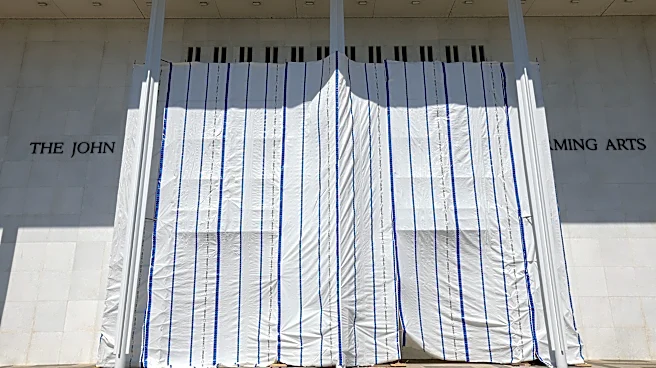
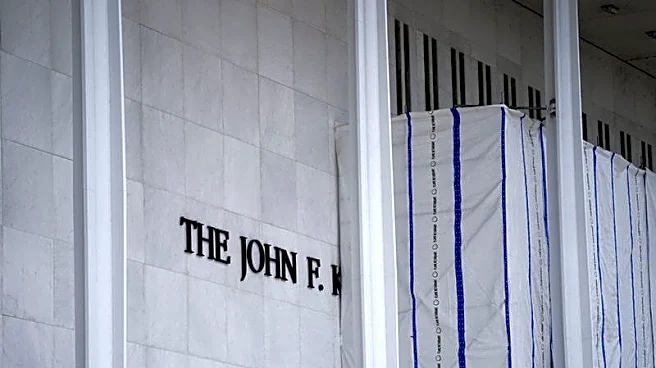
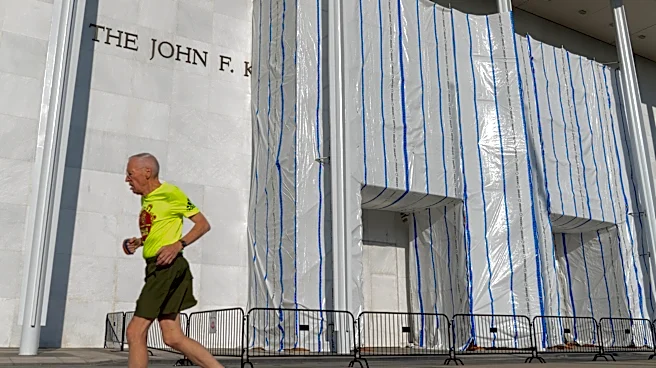
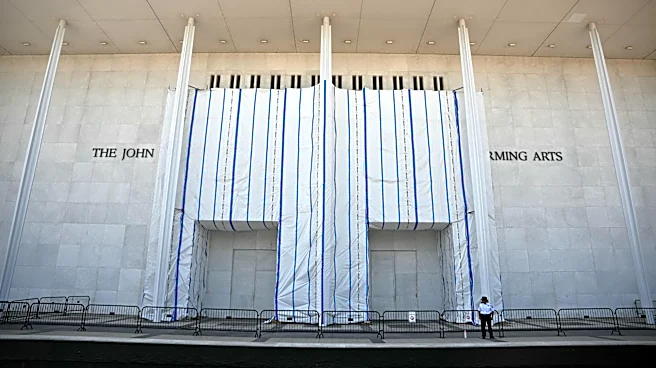
President Trump has reportedly threatened to demolish the historic Kennedy Center if his name is not affixed to the building. This threat has prompted a judicial response, with a judge ordering the administration to provide a 30-day notice before undertaking
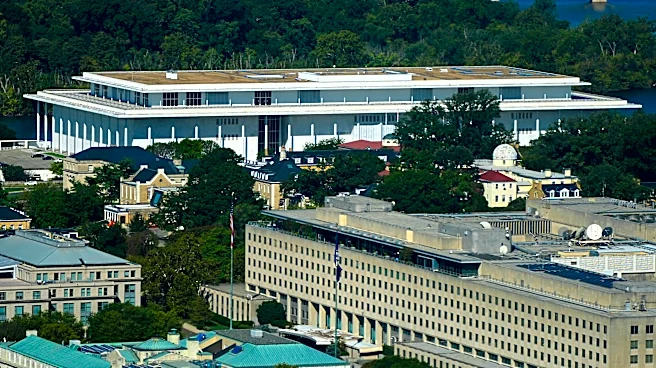
any significant renovations, including demolition. The Kennedy Center, a prominent cultural institution in Washington D.C., is a living memorial to President John F. Kennedy and a national center for the performing arts. The dispute centers on the potential alteration or destruction of a federally recognized landmark due to a naming disagreement. The judge's order aims to ensure due process and prevent any unilateral actions that could impact the historical and cultural integrity of the site.
Why It's Important?
This situation highlights the delicate balance between presidential influence and the preservation of national heritage. The Kennedy Center holds significant cultural and historical value, serving as a symbol of American arts and a memorial to a former president. A threat of demolition over a naming dispute could set a concerning precedent for the treatment of national landmarks and cultural institutions. It raises questions about the appropriate use of executive power in matters concerning historical preservation and public property. The involvement of the judiciary underscores the importance of legal oversight in protecting such assets from arbitrary decisions. The outcome of this dispute could influence future policies regarding the naming and preservation of national monuments and cultural sites, potentially impacting how historical legacies are honored and maintained.
What's Next?
The immediate next step involves the administration adhering to the judge's order, which mandates a 30-day notice period before any major renovation or demolition of the Kennedy Center. This period will likely allow for further legal challenges, public discourse, and potential negotiations regarding the naming dispute. Stakeholders, including historical preservation groups, cultural organizations, and potentially members of Congress, are expected to weigh in on the matter. The situation could escalate into a prolonged legal battle if President Trump's administration chooses to pursue the demolition, or it could lead to a resolution through compromise or a re-evaluation of the demand for naming rights. The public and various advocacy groups will likely monitor the situation closely, advocating for the preservation of the Kennedy Center's historical status.
Beyond the Headlines
Beyond the immediate naming dispute, this incident touches upon broader themes of legacy, power, and the interpretation of national symbols. The demand to have a sitting president's name on a historic memorial dedicated to a past president raises questions about the nature of presidential legacies and the respect accorded to historical figures. It also highlights the ongoing tension between political agendas and the enduring value of cultural institutions. The potential demolition of a landmark like the Kennedy Center could be perceived as an attempt to rewrite history or diminish the significance of past contributions, leading to a deeper societal debate about national identity and collective memory. This event could also spark discussions about the legal frameworks protecting national heritage sites from political interference and the role of the judiciary in safeguarding these assets.