
What's Happening?
Pakistan has announced its intention to host talks between the United States and Iran, although it remains unclear whether these discussions will be direct or indirect. This development comes as tensions escalate in the Middle East, with Iran warning
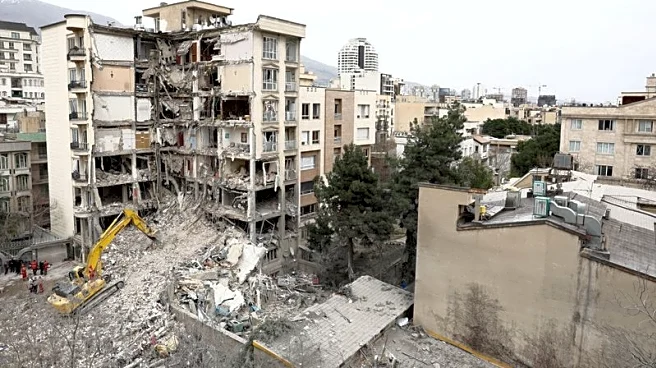
that U.S. ground troops would face severe retaliation if they invade. The announcement was made by Pakistan's Foreign Minister Ishaq Dar, who expressed Pakistan's willingness to facilitate meaningful dialogue between the two nations. The talks are set against a backdrop of ongoing conflict, with Iran's parliament speaker, Mohammad Bagher Qalibaf, dismissing the talks as a cover for U.S. military movements in the region. The conflict has already resulted in significant casualties and has disrupted global oil and gas supplies.
Why It's Important?
The potential talks between the U.S. and Iran, facilitated by Pakistan, could play a crucial role in de-escalating tensions in the Middle East. The conflict has already impacted global markets, particularly in the oil and gas sectors, due to Iran's strategic control over the Strait of Hormuz. A successful dialogue could stabilize these markets and prevent further economic disruptions. Additionally, the talks could lead to a reduction in military hostilities, which have already resulted in significant loss of life and threaten to expand further. The involvement of Pakistan as a mediator highlights its strategic diplomatic position and its ability to maintain relations with both Washington and Tehran.
What's Next?
The next steps involve the actual convening of the talks, which Pakistan has committed to hosting. The outcome of these discussions could significantly influence the geopolitical landscape in the Middle East. Key stakeholders, including the U.S., Iran, and regional powers like Saudi Arabia and Israel, will be closely monitoring the talks. The potential for a peace framework or ceasefire agreement could alter military strategies and alliances in the region. However, the success of these talks will depend on the willingness of both the U.S. and Iran to engage in constructive dialogue and make concessions.
Beyond the Headlines
The broader implications of these talks extend beyond immediate military and economic concerns. They could set a precedent for future diplomatic engagements in the region, potentially leading to a more stable Middle East. The talks also highlight the role of third-party nations like Pakistan in facilitating international diplomacy. Furthermore, the conflict has raised ethical concerns regarding the targeting of civilian infrastructure and the potential for war crimes, which could influence international legal and humanitarian responses.