





What's Happening?
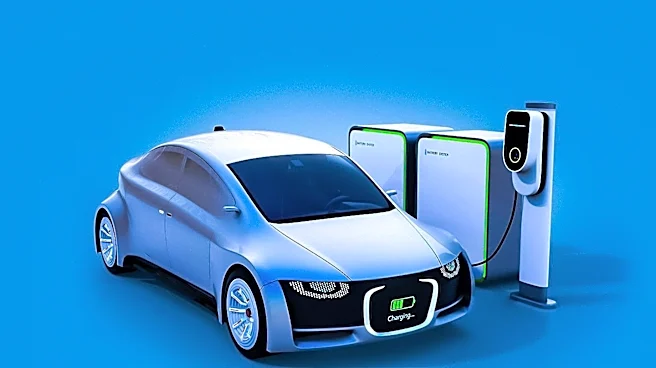
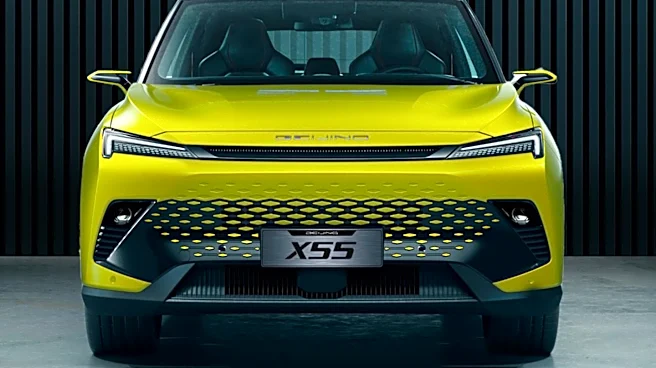
Brazil has become the world's top importer of Chinese cars, a development that has significant implications for its domestic auto industry. This shift began in 2015 when the Brazilian government eliminated import duties on electric vehicles to encourage
modernization. Despite attempts to restore these duties, Chinese automakers have flooded the market with competitively priced models. The influx of Chinese cars has pressured local manufacturers to invest in hybrid technology and adapt to changing market dynamics.
Why It's Important?
The surge in Chinese car imports poses a challenge to Brazil's auto industry, which is a significant economic sector. The presence of Chinese automakers like BYD, which benefits from import quotas, threatens local jobs and investments. This situation reflects broader global trade dynamics, where countries like the U.S. and India impose high tariffs on Chinese vehicles to protect domestic industries. Brazil's open market approach contrasts with these protectionist measures, potentially impacting its economic stability and employment rates.
What's Next?
Brazil's government faces pressure from labor unions and industry groups to reconsider its import policies. The extension of import quotas until 2027 suggests that Chinese cars will continue to dominate the market in the short term. As Brazil navigates these challenges, it may need to balance foreign trade relationships with domestic economic interests. The outcome could influence future trade policies and the strategic direction of Brazil's auto industry.