






What's Happening?
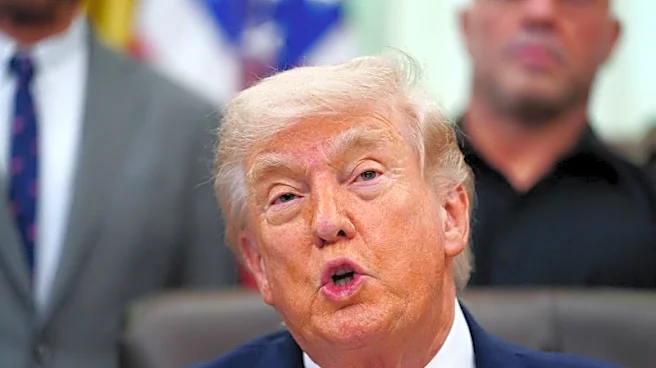
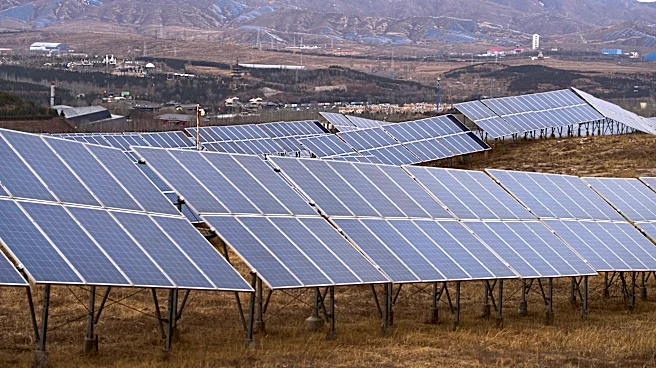
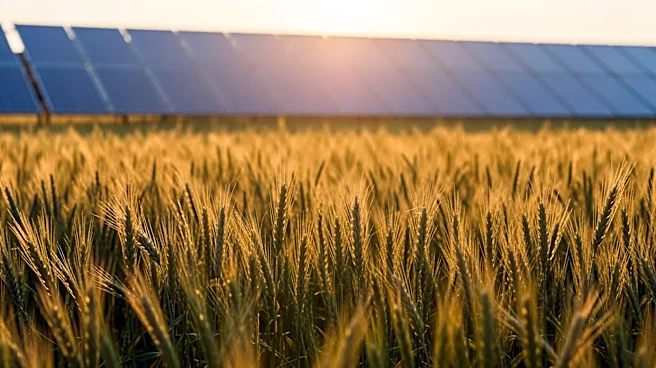
President Trump has implemented changes to federal programs that are crucial for the growth of solar energy production, affecting American farmers who rely on these subsidies. The Rural Energy for America Program (REAP) and clean energy tax credits have
been rolled back, halting grants and loan guarantees for rural energy projects. This has led to financial challenges for farmers like Daniel Bell, who planned to use solar energy to power his farm. The changes have caused some developers to abandon projects due to the inability to meet new tax credit deadlines, while others are racing to complete projects before the credits expire.
Why It's Important?
The rollback of solar subsidies under President Trump has significant implications for the renewable energy sector and American agriculture. Farmers who depend on these subsidies to reduce energy costs and increase profitability are facing increased financial strain. The changes could slow the growth of solar energy adoption in rural areas, impacting the broader push for renewable energy. Large-scale developers may benefit from the new rules, but smaller projects and individual farmers could struggle without federal support, potentially leading to increased energy costs and reduced sustainability in agriculture.
What's Next?
The future of solar energy projects in the U.S. remains uncertain as developers and farmers navigate the new subsidy landscape. Some companies may continue to pursue projects in hopes of future extensions or changes in federal policy. The USDA's suspension of REAP grant awards is temporary, but the timeline for resuming these grants is unclear. Stakeholders in the renewable energy sector may advocate for policy changes to restore support for solar projects, while farmers may seek alternative solutions to manage energy costs.