







What's Happening?
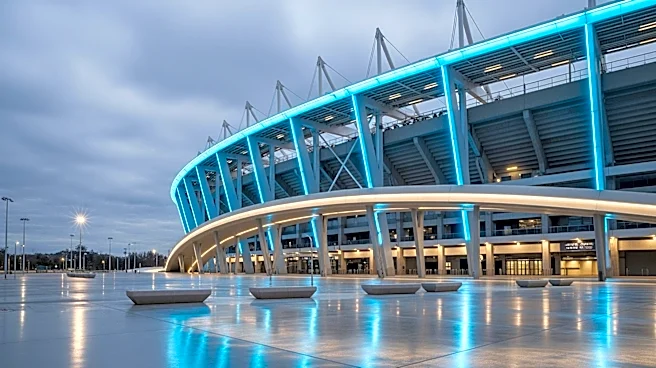
The city of Arlington has approved a $273 million upgrade plan for AT&T Stadium, home of the Dallas Cowboys, despite facing backlash from local residents. The Cowboys have agreed to finance the upgrades upfront, with the city reimbursing them $50 million in 2028
and $20 million annually through 2048. The decision has sparked controversy among residents who are concerned about the financial implications and the prioritization of stadium improvements over other community needs.
Why It's Important?
The approval of the stadium upgrades reflects the ongoing debate between economic development and community priorities. While the upgrades are expected to enhance the stadium's facilities and potentially increase revenue through events, residents are worried about the long-term financial burden on the city. This decision highlights the challenges cities face in balancing investment in major infrastructure projects with addressing local concerns and needs. The financial arrangement with the Cowboys also underscores the complexities of public-private partnerships in urban development.
What's Next?
As the upgrades proceed, Arlington will need to manage the financial commitments associated with the project while addressing resident concerns. The city may explore additional revenue streams or cost-saving measures to mitigate the financial impact. Public discussions and forums could be organized to engage residents and provide transparency about the project's benefits and costs. The Cowboys, as key stakeholders, will likely play a role in promoting the upgrades and their potential positive impact on the local economy.
Beyond the Headlines
The controversy surrounding the stadium upgrades raises broader questions about urban planning and the role of sports facilities in community development. It may prompt discussions on the ethical considerations of prioritizing large-scale projects over local needs and the impact of such decisions on community trust and engagement. The situation also highlights the importance of effective communication and stakeholder involvement in urban development projects to ensure balanced decision-making.