



What's Happening?
Internally displaced persons (IDPs) and host communities in Tambura County, Western Equatoria State, South Sudan, are facing exacerbated humanitarian challenges due to severe flooding, hunger, limited healthcare, and disrupted education. Heavy rainfall
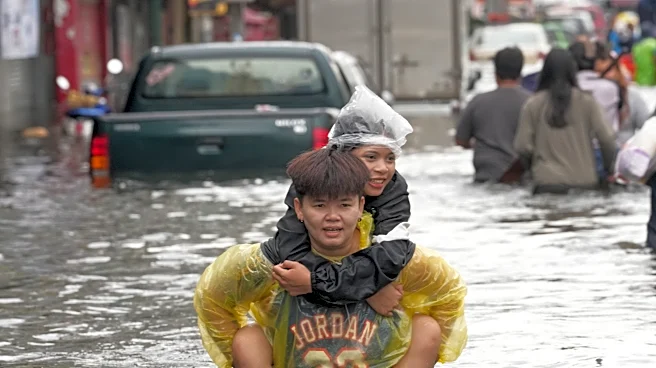
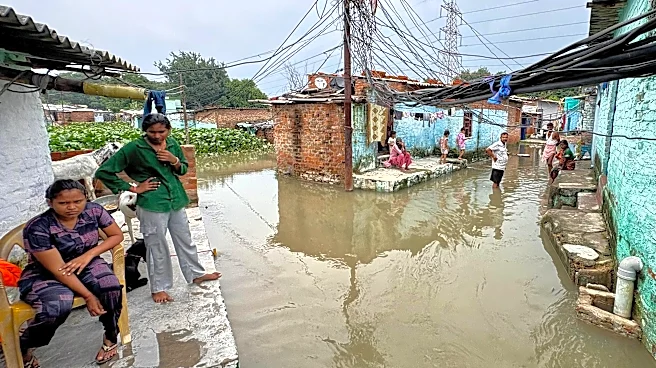
on Tuesday night, lasting from approximately 4 p.m. to 7 p.m., caused widespread flooding in several IDP camps, damaging makeshift shelters and forcing families to seek higher ground. John Kumbo, a Tambura resident, reported that water had entered homes and IDP camps, making movement difficult and reaching under people's beds. Lucy Edward, the Relief and Rehabilitation Commission coordinator in Tambura County, confirmed the serious humanitarian challenges, noting that food prices have surged, with cassava selling for about 6,000 South Sudanese Pounds and groundnuts for 7,000 pounds. She also stated that vulnerable individuals have died from hunger and that flooding has destroyed shelters. IDP representative Peter Marko Yensi added that the flooding has worsened existing problems, including a lack of medicines and educational opportunities for children.
Why It's Important?
The deteriorating conditions in Tambura County highlight a critical humanitarian crisis within South Sudan, affecting a population already made vulnerable by displacement. The combination of severe flooding, food insecurity, and inadequate access to healthcare and education creates a complex emergency that threatens lives and livelihoods. The rising food prices, as reported by Lucy Edward, indicate a severe economic strain on families, making basic sustenance unaffordable for many. The destruction of shelters and the risk of waterborne diseases like malaria, as warned by John Kumbo, underscore the immediate health and safety threats. This situation also points to the long-term consequences of displacement, with IDPs like Natalia Zenaroone expressing urgent needs for education, business opportunities, and essential supplies. The inability of local authorities to effectively address these challenges without external support signifies a broader systemic failure in providing basic services and protection to vulnerable populations.
What's Next?
Residents and local officials are urgently appealing for assistance from the county and state governments, as well as humanitarian organizations and well-wishers. Immediate needs include improved drainage around the camps, particularly in low-lying areas, and the provision of essential supplies such as tents, mosquito nets, medicines, and food items. Without prompt intervention, the humanitarian situation is expected to worsen, with increased risks of disease outbreaks, further displacement, and more deaths from hunger. The long-term outlook requires sustained efforts to address the root causes of vulnerability, including investing in resilient infrastructure, improving healthcare access, and ensuring educational continuity for children. The effectiveness of the response will depend on coordinated efforts between local authorities and international aid agencies to deliver comprehensive and timely assistance to the affected communities.
Beyond the Headlines
The crisis in Tambura County reflects a broader pattern of vulnerability in regions affected by conflict and climate change. The prolonged displacement, with some families having been in camps for six years, indicates a failure to achieve durable solutions for these populations. The interconnectedness of flooding, hunger, and lack of basic services creates a vicious cycle of poverty and suffering, making recovery extremely difficult. The reliance on private clinics due to the absence of public healthcare further exacerbates inequalities, as only those with financial means can access medical attention. This situation also underscores the critical need for proactive disaster preparedness and climate adaptation strategies, especially in areas prone to heavy rainfall and flooding. The call for improved drainage and essential supplies is not merely a short-term fix but a reflection of the urgent need for resilient infrastructure and sustained humanitarian support to prevent future catastrophes and ensure the dignity and survival of displaced communities.