






What's Happening?
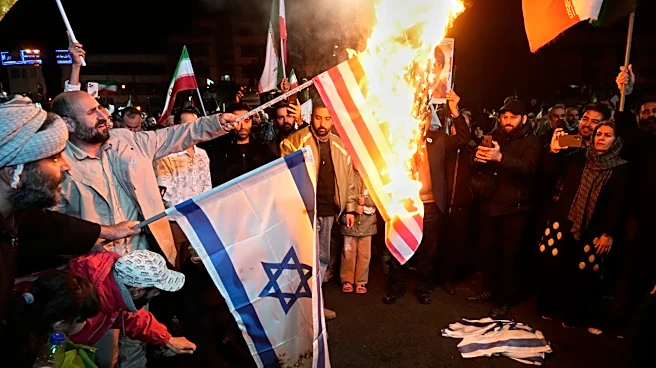
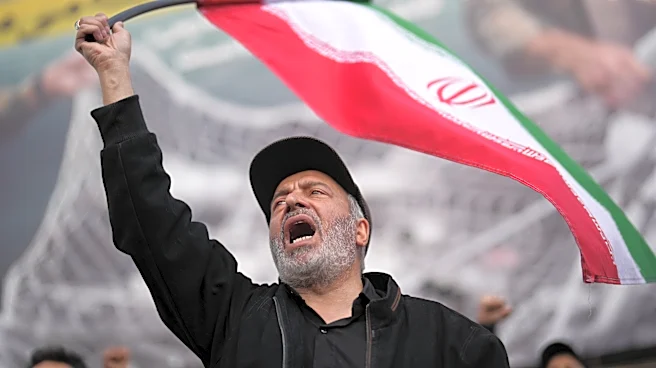
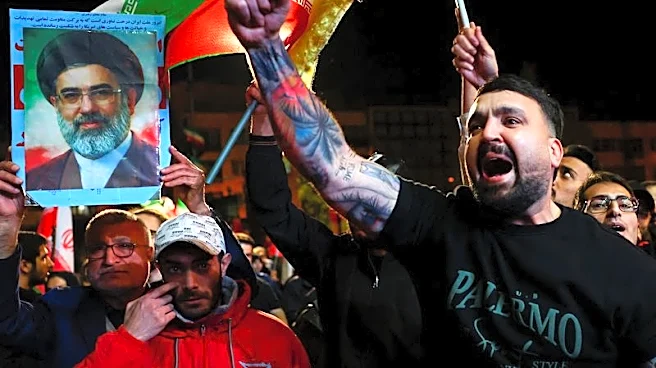
President Trump has announced a two-week ceasefire agreement involving Iran, Israel, and the United States. This development follows Iran's submission of a 10-point proposal aimed at ending ongoing hostilities. The ceasefire is seen as a potential foundation
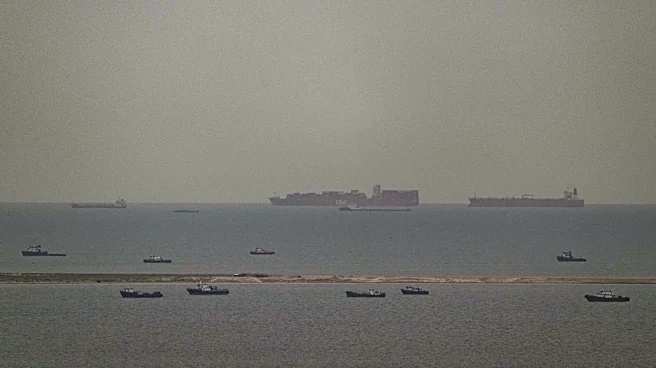
for further negotiations. Israeli Prime Minister Benjamin Netanyahu has expressed conditional support for the ceasefire, contingent upon Iran reopening the Strait of Hormuz and ceasing attacks on Israel and other regional countries. Concurrently, the IDF Home Front Command has updated its guidelines, allowing most Israeli schools to reopen, except in areas near the Lebanese border where security concerns persist.
Why It's Important?
The ceasefire announcement is significant as it temporarily halts hostilities in a volatile region, potentially paving the way for diplomatic resolutions. For the U.S., this development could stabilize relations in the Middle East, impacting global oil markets and regional security dynamics. Israel's conditional support highlights ongoing security concerns, particularly regarding Iran's regional influence and military activities. The reopening of schools in Israel signifies a return to normalcy for many citizens, although the continued restrictions near Lebanon underscore persistent security threats.
What's Next?
The next steps involve monitoring the ceasefire's implementation and assessing Iran's compliance with the conditions set by Israel and the U.S. Diplomatic efforts may intensify to solidify a longer-term peace agreement. The situation remains fluid, with potential reactions from regional actors like Hezbollah and other stakeholders influencing future developments. The reopening of Israeli schools will be contingent on ongoing security assessments, particularly in border areas.