







What's Happening?
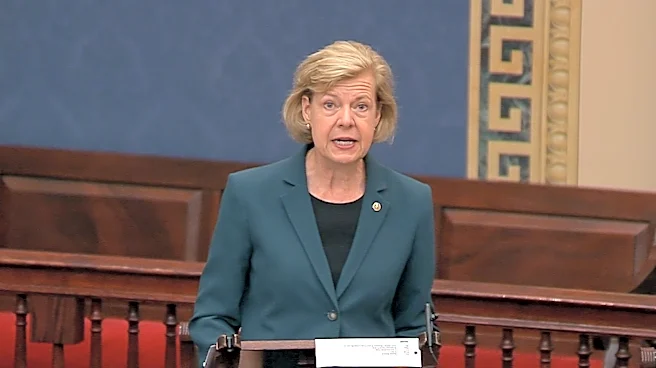
The U.S. Senate has voted 50-49 to overturn a 20-year ban on new mining activities across approximately 350 square miles of federal land near Minnesota's Boundary Waters Canoe Area. This decision reopens the possibility for the Twin Metals copper-nickel
project near Ely, Minnesota, which has been stalled for years. The measure, authored by Republican Representative Pete Stauber, had previously passed the House in January with a 214-208 vote, primarily along party lines. In the Senate, the vote saw GOP Senators Susan Collins and Thom Tillis join all Democrats in opposing the measure, while Republican Senator Josh Hawley did not participate in the vote.
Why It's Important?
The Senate's decision to lift the mining ban is significant as it could have substantial economic and environmental implications. Proponents argue that the Twin Metals project could boost local economies by creating jobs and generating revenue. However, environmentalists and some lawmakers express concerns about potential ecological damage to the pristine wilderness of the Boundary Waters, a popular destination for outdoor enthusiasts. The decision reflects ongoing national debates over resource extraction and environmental conservation, highlighting the tension between economic development and environmental protection.
What's Next?
With the ban lifted, the Twin Metals project may proceed, pending further regulatory approvals and potential legal challenges from environmental groups. The project's advancement will likely face scrutiny from both local communities and national environmental organizations. Additionally, the decision may prompt further legislative and legal battles as stakeholders on both sides of the issue continue to advocate for their interests. The outcome could set a precedent for future resource extraction projects on federal lands.