




What's Happening?
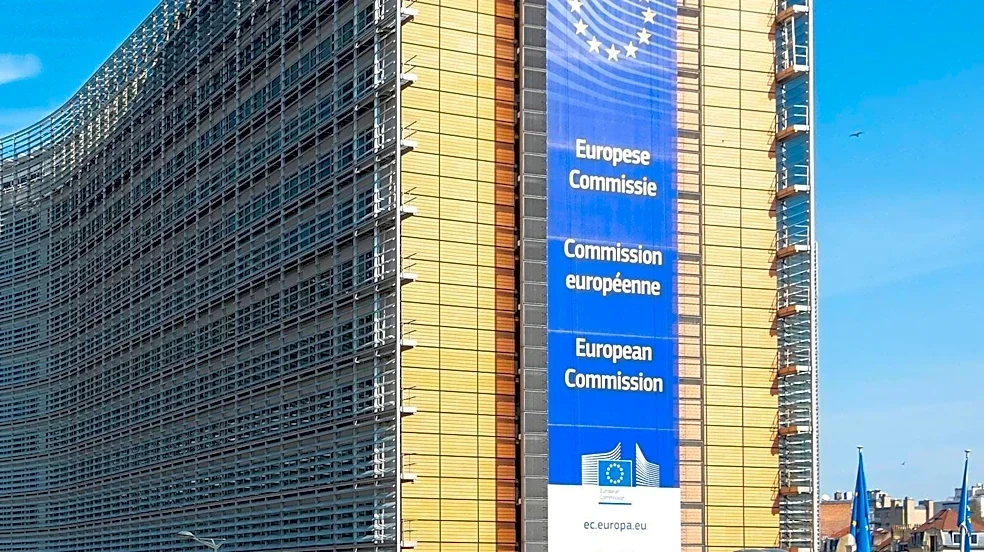
The European Commission has allocated over €390 million to 135 new environmental and climate projects across Europe through the EU’s LIFE funding program. This funding represents more than half of the projects' total investment needs of €579 million,
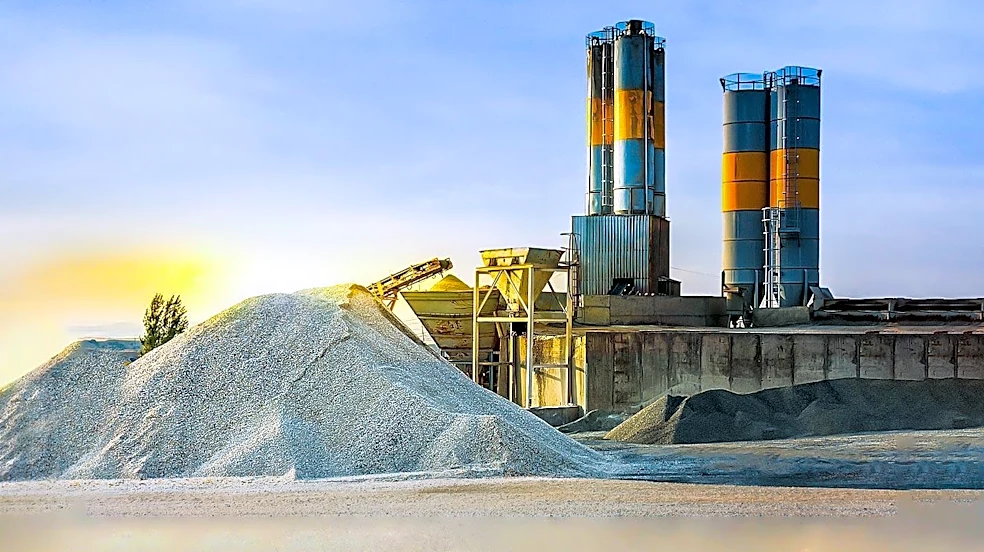
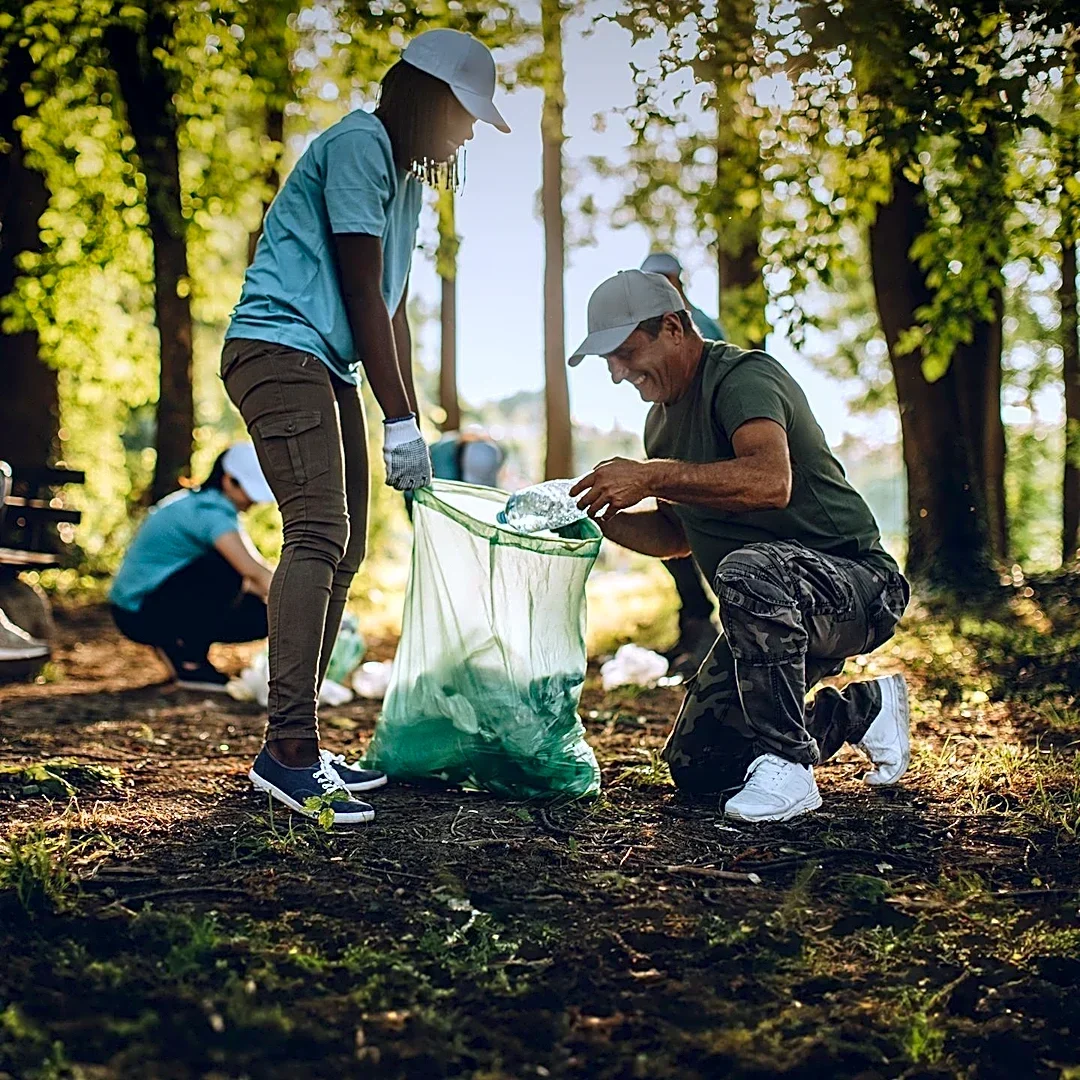
with the remainder sourced from national, regional, and local authorities, businesses, public-private partnerships, project partners, and civil society organizations. The LIFE program's funding is distributed across four main strands: nature and biodiversity, a clean circular and climate-resilient economy, climate resilience, adaptation and mitigation, and clean energy transition. Moldova is included in the clean energy transition portfolio, specifically through the LIFE EUCF City Facility 3.0 project, which will provide financial and technical assistance to local authorities investing in sustainable energy. This initiative covers all EU countries, along with Iceland, Moldova, Montenegro, North Macedonia, and Ukraine. The projects selected range from restoring coastal sand dunes in Belgium and conserving threatened duck species in Bulgaria to developing low-carbon building materials in Finland.
Why It's Important?
This significant investment by the EU underscores its commitment to addressing climate change and biodiversity loss across the continent and in partner countries. For Moldova, participation in the LIFE EUCF City Facility 3.0 project is crucial for advancing its sustainable energy agenda and aligning with broader European environmental goals. This financial and technical assistance can help Moldovan local authorities implement green initiatives, reduce carbon emissions, and improve energy efficiency, contributing to the country's overall climate resilience. The broader LIFE program supports the EU's Green Deal objectives, aiming for climate neutrality by 2050 and protecting Europe's natural capital. By funding diverse projects, the EU is fostering innovation in environmental protection and climate action, which can lead to the development of new technologies and best practices applicable across various sectors. The involvement of multiple stakeholders, including public and private entities, highlights a collaborative approach to tackling complex environmental challenges.
What's Next?
The 135 newly funded projects will now move into their implementation phases, with the European Climate, Infrastructure and Environment Executive Agency (CINEA) managing the grants. For Moldova, the focus will be on utilizing the allocated financial and technical assistance to develop and execute sustainable energy projects at the local level. This will likely involve capacity building for local authorities and the adoption of new technologies and strategies for energy transition. The ongoing LIFE program, which runs from 2021 to 2027 with a total budget of €5.43 billion, will continue to issue calls for proposals, allowing for future opportunities for countries like Moldova to secure additional funding for environmental and climate initiatives. The success of these projects will be monitored, and their outcomes will contribute to shaping future EU environmental policies and funding priorities, potentially leading to further integration of partner countries into EU climate action frameworks.
Beyond the Headlines
The EU's extensive funding for climate and nature projects reflects a growing recognition of the interconnectedness of environmental health, economic stability, and geopolitical security. By extending these initiatives to non-EU countries like Moldova, the EU is not only promoting environmental sustainability but also fostering closer ties and supporting the European integration aspirations of these nations. This approach can help build resilience against climate-related shocks, which often disproportionately affect vulnerable economies. Furthermore, the emphasis on a circular economy and climate-resilient solutions signals a shift towards more sustainable economic models that can reduce resource dependency and create green jobs. The program also highlights the role of civil society and local communities in driving environmental change, empowering them to participate actively in climate action and biodiversity conservation efforts. This holistic strategy aims to create a more sustainable and integrated European neighborhood.