





What's Happening?
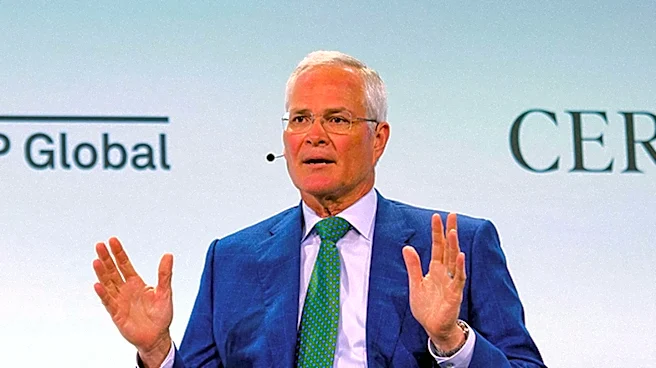
U.S. Senator Maggie Hassan (D-N.H.) has written to Merck CEO Rob Davis, seeking detailed information regarding the pricing and patent strategies for Keytruda, Merck's top-selling cancer drug. Senator Hassan's inquiry stems from concerns that Keytruda's
extensive network of over 1,200 patent applications across 53 global regions could be used to artificially inflate prices and extend market dominance beyond its original 2028 patent expiration date. This action follows the International Consortium of Investigative Journalists' (ICIJ) 'Cancer Calculus' investigation, which highlighted the high pricing and market control of Keytruda, impacting healthcare systems and delaying the availability of more affordable generic versions. Merck has faced scrutiny in various countries, including the U.S. and Austria, over the drug's pricing mechanisms.
Why It's Important?
The high cost of cancer drugs like Keytruda significantly impacts U.S. healthcare spending and patient access to life-saving treatments. If pharmaceutical companies can extend patent protection through complex patent thickets, it delays the entry of generic alternatives, keeping drug prices artificially high. This practice can strain public and private healthcare systems, increase out-of-pocket costs for patients, and potentially lead to financial hardship or delayed treatment for those battling cancer. Senator Hassan's inquiry underscores a broader legislative and public concern about pharmaceutical pricing transparency and the ethical implications of patent strategies that prioritize profits over patient affordability and access. The outcome of such investigations could influence future regulatory approaches to drug patenting and pricing in the U.S., potentially leading to reforms aimed at fostering greater competition and reducing healthcare costs.
What's Next?
Merck's response to Senator Hassan's letter will be a critical next step, potentially shedding light on the company's patent and pricing methodologies for Keytruda. This inquiry could prompt further congressional examination into pharmaceutical patent practices and drug pricing, possibly leading to legislative proposals aimed at curbing anti-competitive strategies. Watchdog groups and patient advocacy organizations will likely continue to monitor the situation and exert pressure for greater transparency and affordability in cancer drug markets. Depending on the information disclosed, there could be calls for federal agencies, such as the Federal Trade Commission or the Department of Justice, to investigate potential anti-competitive behaviors. The broader discussion around drug pricing and patent reform is expected to remain a significant issue in U.S. politics, with potential implications for future healthcare policy and pharmaceutical industry regulations.
Beyond the Headlines
Beyond the immediate financial implications, the debate over Keytruda's pricing and patents touches upon fundamental ethical questions regarding access to essential medicines and the balance between pharmaceutical innovation and public health. The use of extensive patent portfolios, often referred to as 'patent thickets,' raises concerns about whether the patent system is being exploited to maintain monopolies rather than genuinely fostering new research and development. This situation highlights a tension between the profit motives of pharmaceutical companies and the societal need for affordable healthcare. The long-term implications could include a re-evaluation of patent law to prevent evergreening and promote timely generic entry, potentially reshaping the pharmaceutical landscape and influencing how future life-saving drugs are brought to market and priced in the U.S. and globally.