







What's Happening?
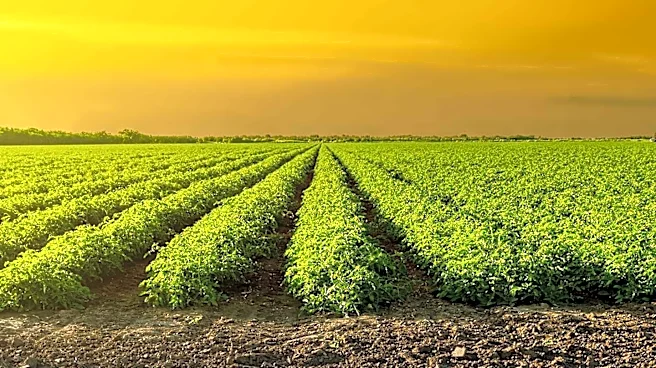
Regenerative farming practices, including cover cropping, no-till agriculture, and rotational grazing, are increasingly being adopted by farmers across the United States. This shift is driven by a desire to restore soil health and reduce carbon emissions.
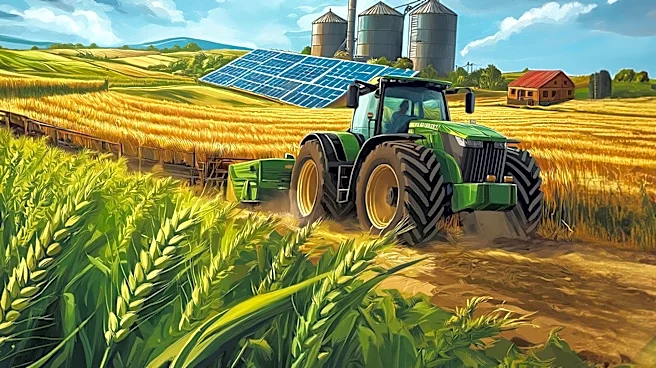
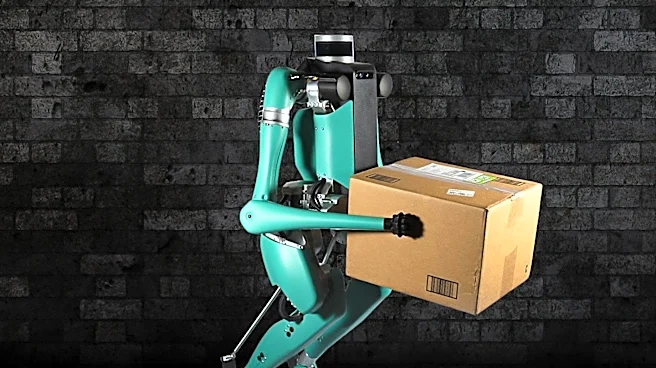
Modern agriculture is undergoing a significant transformation, moving towards technology-driven methods such as precision agriculture, which utilizes GPS, satellite imagery, and data analytics to optimize crop health and soil conditions. Automation and robotics, including autonomous tractors and AI-powered harvesting machines, are also becoming more common, addressing labor shortages and enhancing efficiency. The agricultural sector is becoming highly data-driven, with smart sensors and cloud-based platforms providing real-time information for decision-making. Additionally, vertical farming is emerging as an alternative growing environment, particularly in urban areas, offering reduced water usage and consistent yields.
Why It's Important?
The adoption of regenerative farming and advanced technologies is crucial for the sustainability and future of U.S. agriculture. These practices aim to mitigate environmental impacts, such as soil degradation and carbon emissions, aligning with growing consumer demand for sustainably produced food. Precision agriculture and automation can lead to increased yields and reduced waste, improving the economic viability of farms. The integration of data and connectivity empowers farmers to make more informed decisions, enhancing resilience against changing environmental conditions and market fluctuations. Vertical farming offers a solution to land scarcity and can shorten supply chains, providing fresher produce to urban populations and potentially reducing transportation costs and emissions. This evolution in farming methods is vital for ensuring food security and environmental stewardship in the long term.
What's Next?
The trend towards sustainable and technologically advanced farming is expected to continue, with further integration of data analytics, AI, and robotics into agricultural operations. Continued expansion of rural broadband infrastructure will be critical to support the widespread adoption of data-driven tools. Research and development in areas like LED lighting and renewable energy will likely make vertical farming more economically viable and widespread. Policy support and incentives for farmers to transition to regenerative practices could accelerate their adoption. The industry will also need to address challenges such as the energy costs associated with indoor farming and the initial investment required for new technologies. Collaboration across the agricultural value chain, from technology providers to consumers, will be essential to scale these innovations and ensure a resilient food system.
Beyond the Headlines
The shift towards regenerative and high-tech agriculture has profound implications beyond immediate economic and environmental benefits. It represents a cultural change within the farming community, moving from traditional methods to more scientifically informed and data-driven approaches. This transformation could lead to new skill requirements for farmers, emphasizing technological literacy and data analysis. Ethical considerations regarding data privacy and ownership in agriculture will become increasingly important as more data is collected and analyzed. The rise of vertical farming could also reshape urban landscapes and local food economies, fostering greater food independence in cities. Ultimately, these developments could lead to a more resilient, efficient, and environmentally responsible agricultural system, fundamentally altering how food is produced and consumed in the U.S.