


What's Happening?
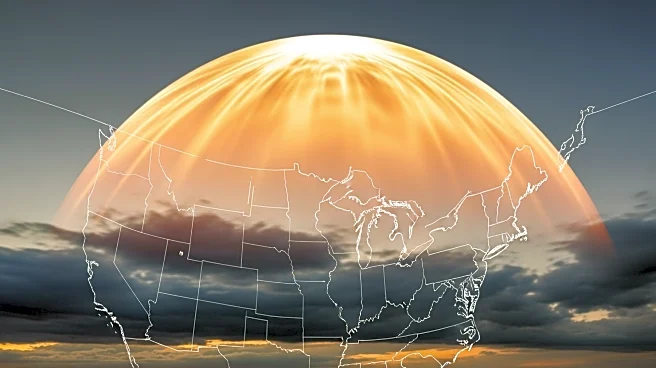
The U.S. Southwest has experienced an unprecedented heatwave in March 2026, breaking numerous temperature records across a vast region from the Pacific Coast to east of the Mississippi River. This heatwave, described as one of the most anomalous ever
observed, saw temperatures surpassing previous March records by significant margins, with some areas even breaking April and May records. The heatwave has led to a dramatic decline in snowpack levels, particularly in California and the Colorado River Basin, raising concerns about water supply as snowmelt typically replenishes reservoirs. The event has been linked to upstream diabatic heating in the Central Pacific, which contributed to the persistence and intensity of the heat dome over the Southwest.
Why It's Important?
The March 2026 heatwave has significant implications for water resources in the American West. The rapid snowmelt and record low snowpack levels threaten water availability for agriculture, urban areas, and ecosystems. In California, while reservoirs are currently at or above average levels, the lack of snowmelt could lead to a rapid drawdown later in the season. The situation is more dire in the Colorado River Basin, where a pre-existing drought has already strained water resources. This heatwave underscores the growing impact of climate change on extreme weather events, highlighting the need for adaptive strategies to manage water resources in the face of increasing climate variability.
What's Next?
A brief period of cooler and wetter weather is expected in early April, providing temporary relief from the heat. However, forecasts indicate a return to warmer and drier conditions later in the month, with a high likelihood of above-average temperatures persisting into the spring and summer. This pattern suggests ongoing challenges for water management in the region, as reduced snowpack and early snowmelt could exacerbate water shortages. Stakeholders, including water managers and policymakers, will need to consider long-term strategies to address these challenges, potentially involving changes in water allocation and conservation measures.
Beyond the Headlines
The March heatwave highlights the complex interplay between climate change and extreme weather events. The links between record-breaking heatwaves and climate change are becoming increasingly clear, with baseline warming raising the ceiling on how intense heat extremes can become. This event also illustrates the challenges of predicting and managing the impacts of such extremes, as feedback mechanisms like diabatic heating can amplify their effects. As scientific understanding of these processes evolves, there is a growing need for robust climate models and adaptive management strategies to mitigate the impacts of future heatwaves.