







What's Happening?
As the United States approaches its 250th birthday, many American brands are showing a restrained response to the celebration. Unlike the bicentennial in 1976, which saw a surge of patriotic-themed products, the current semiquincentennial is marked by
a more cautious approach from companies. This year, brands like Levi's, McDonald's, and Old Navy are focusing more on the U.S.-hosted World Cup, producing a significant amount of merchandise for the event, while offering limited products for the 250th anniversary. For instance, Old Navy has released only two clothing designs for the semiquincentennial compared to nearly 200 World Cup items. Some companies, such as Coca-Cola, are engaging in patriotic initiatives like commissioning murals across the country and releasing state-branded cans. However, many brands are opting for service initiatives over merchandise, possibly due to the political climate and the association of patriotic symbols with partisan politics.
Why It's Important?
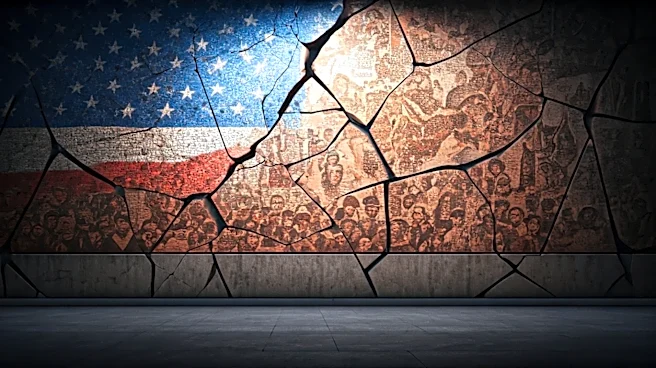
The muted response from brands highlights a shift in corporate America's approach to patriotism, reflecting broader societal changes. The political climate has made patriotic symbols more divisive, with a Gallup poll indicating a decline in the number of Americans who are 'extremely' or 'very' proud to be American. This polarization affects how companies engage with national celebrations, as they aim to avoid alienating segments of their consumer base. The restrained branding efforts also suggest a strategic move to protect brand image in a politically charged environment. This trend could impact how future national events are marketed and celebrated, influencing consumer behavior and corporate strategies.
What's Next?
As the 250th anniversary approaches, it remains to be seen how brands will balance patriotic engagement with political neutrality. Companies may continue to focus on experiential marketing and service initiatives rather than traditional merchandise. The political landscape could further influence corporate decisions, especially if patriotic symbols remain contentious. Observers will be watching how brands navigate these challenges and whether they can find innovative ways to celebrate national milestones without becoming embroiled in political debates.
Beyond the Headlines
The current approach to the 250th anniversary reflects a broader cultural shift in how Americans perceive patriotism. The association of national symbols with specific political ideologies has led to a reevaluation of what it means to celebrate national identity. This could have long-term implications for how future generations engage with patriotic events and symbols. Additionally, the role of corporate America in shaping national narratives may evolve, as companies seek to align their branding with changing consumer values and societal norms.