



What's Happening?
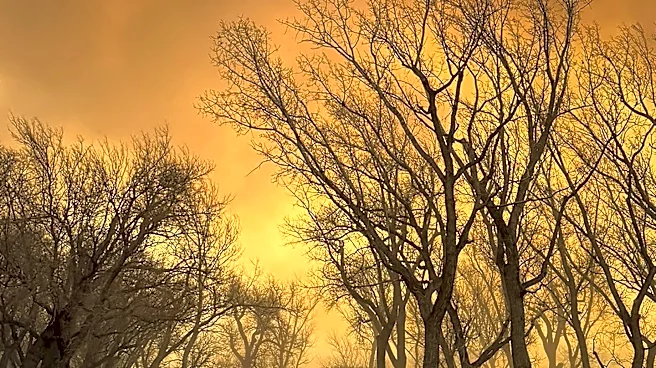
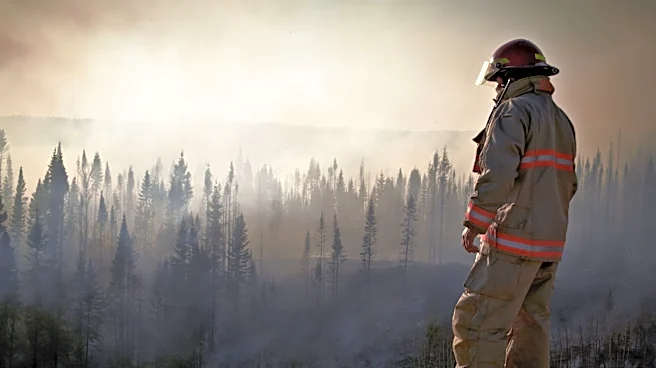
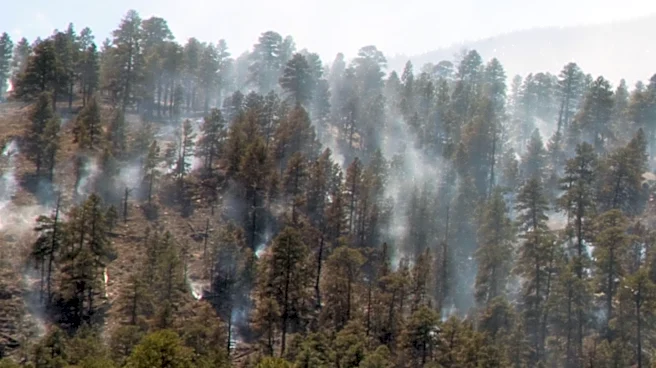
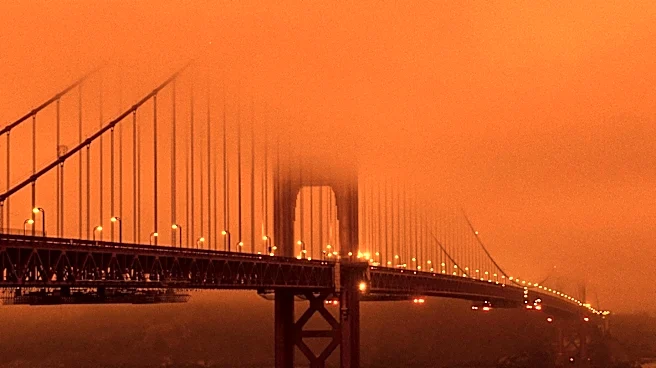
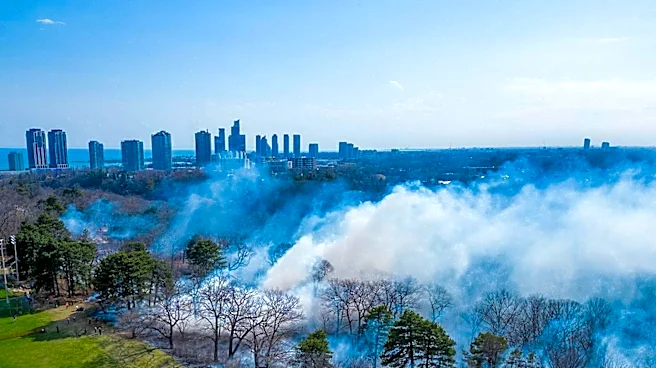
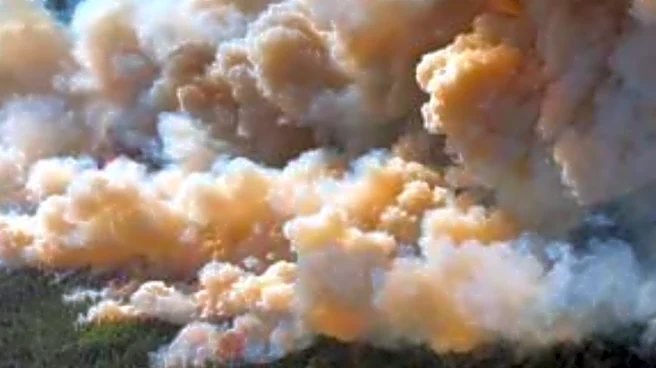
The Northeast and Mid-Atlantic regions of the United States are experiencing improving air quality as smoke from Canadian wildfires begins to clear. However, the Midwest continues to suffer from poor air quality due to the ongoing wildfires in Canada
and Minnesota. The National Weather Service (NWS) forecasts that heavy rain and storms could help clear the air in the Northeast, while the Midwest will continue to experience dangerous levels of air pollution. President Trump has threatened to impose new tariffs on Canada, accusing it of failing to manage its forests, which he claims is causing the U.S. to be 'invaded by filthy, polluted, and unhealthy air.'
Why It's Important?
The persistent wildfire smoke poses significant health risks, particularly to vulnerable populations such as children, pregnant women, and those with pre-existing conditions. The economic implications are also notable, as President Trump’s tariff threats could strain U.S.-Canada relations and impact trade. The situation highlights the broader issue of climate change and its role in increasing the frequency and intensity of wildfires, which have cross-border effects. The ongoing air quality issues underscore the need for international cooperation in addressing environmental challenges.
What's Next?
As the Northeast anticipates clearer skies, the Midwest braces for continued air quality challenges. The NWS has issued air quality alerts across New England, and Minnesota officials warn of volatile fire conditions. The U.S. and Canada may need to engage in discussions to address the root causes of these wildfires and explore collaborative solutions. The potential for tariffs could lead to diplomatic negotiations between the two countries.
Beyond the Headlines
The situation raises questions about the ethical responsibilities of nations in managing natural resources and the legal implications of cross-border environmental impacts. The long-term shifts in climate patterns could lead to more frequent occurrences of such events, necessitating changes in policy and international agreements on environmental management.