



What's Happening?
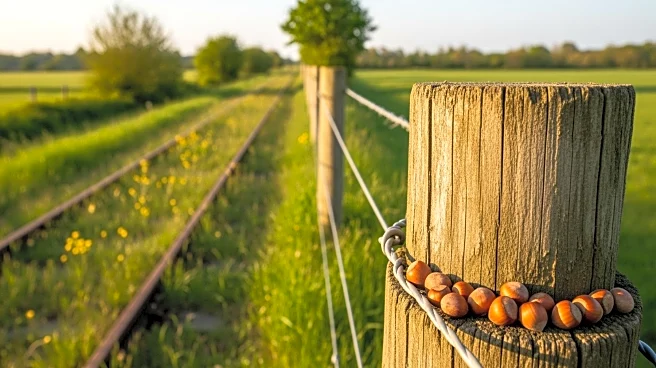
The Yamhill County Board of Commissioners recently voted to remove a proposed rail-to-trail corridor from county transportation plans. This decision affects a 17-mile stretch near Highway 47 from McMinnville to Gaston. Initially, the project had broad
support, with plans to convert the abandoned rail line into a pedestrian and biking trail similar to the Banks-Vernonia State Trail. However, opposition from local farmers, particularly those involved in hazelnut farming, has grown. The farmers challenged the trail development, leading to a reversal by the commission's conservative majority. The county had previously received $1.7 million from the Oregon Department of Transportation for trail development, which now must be repaid. The land may be sold to adjacent landowners, potentially ending prospects for a public trail.
Why It's Important?
The decision to halt the rail-to-trail project highlights the complex interplay between agricultural interests and public land use. The shift in farming from grass seed to hazelnuts, a higher-risk crop, has influenced local politics and land use decisions. This change reflects broader trends in agricultural economics, where high-value crops can alter community dynamics and priorities. The outcome affects local residents who supported the trail for recreational and transportation purposes, and it underscores the influence of agricultural stakeholders in shaping public policy. The decision also impacts the county's financial obligations, as funds received for trail development must be returned.
What's Next?
The future of the rail-to-trail project remains uncertain. A group called Trails PAC has filed petitions for a public vote on the disposal of trail land, and a referendum petition to overturn the commission's decision is possible. These actions could reignite public debate and potentially reverse the commission's decision. The upcoming county elections may also play a role, as trail supporters, including Neyssa Hays, are running for commission seats. The outcome of these political efforts will determine whether the trail project can be revived or if the land will be permanently repurposed for agricultural use.
Beyond the Headlines
The conflict over the rail-to-trail project in Yamhill County illustrates broader themes in land use and community development. It raises questions about balancing economic growth with environmental and recreational needs. The shift towards hazelnut farming reflects changing agricultural practices and market demands, which can have significant impacts on local economies and land use policies. This situation also highlights the role of local governance in mediating between competing interests and the potential for grassroots activism to influence public policy.