




What's Happening?
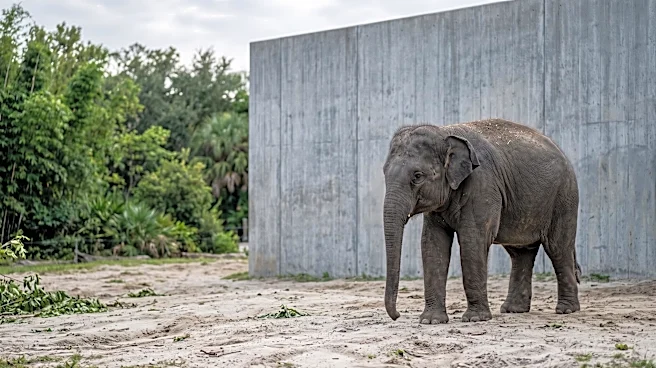
Jet, a 1.5-year-old Asian elephant at the St. Louis Zoo, has received an experimental mRNA vaccine designed to protect against elephant endotheliotropic herpesvirus (EEHV), a potentially fatal disease for young elephants. Jet is among the first Asian elephant calves
globally, and the first at the St. Louis Zoo, to receive this treatment. He completed his three-dose vaccination series on September 30 and is reportedly doing well. EEHV is particularly dangerous for calves, with mortality rates ranging from 60% to 80%. The vaccine was developed by virologists at Baylor College of Medicine, who have collaborated with elephant veterinarians and researchers for years. Adult elephants at the Houston Zoo received the initial doses of this vaccine in 2024. This vaccination holds particular significance for the St. Louis Zoo, as a 6-year-old Asian elephant named Kenzi died from EEHV in 2018.
Why It's Important?
This experimental vaccination represents a critical advancement in the conservation efforts for Asian elephants, a species facing significant threats. EEHV has been a major cause of mortality among young Asian elephants in human care, and a successful vaccine could dramatically improve their survival rates. The St. Louis Zoo's participation in this pioneering effort highlights the role of zoos in scientific research and species preservation. By protecting individual elephants like Jet, the vaccine contributes to the genetic diversity and overall health of the captive Asian elephant population, which is crucial for potential future reintroduction programs or maintaining a healthy reserve population. The development of an mRNA vaccine for elephants also demonstrates the versatility and potential of this technology beyond human medicine, opening new avenues for veterinary science and wildlife conservation globally. The success of this vaccine could offer a blueprint for addressing other viral threats to endangered species.
What's Next?
Zoo veterinarians will closely monitor Jet's health, including conducting regular blood tests to measure his antibody levels following the vaccination. This monitoring will help assess the vaccine's effectiveness and the duration of its protective immunity. Jet currently possesses antibodies passed from his mother, Jade, which are expected to decline over the next couple of years. The vaccine is intended to provide an additional layer of protection as his own immune system develops. The ongoing research and data collection from Jet and other vaccinated elephants will be crucial for further refining the vaccine and potentially making it more widely available to other zoos and conservation programs. The long-term goal is to significantly reduce the impact of EEHV on Asian elephant populations, both in human care and potentially in the wild, though application in wild populations presents unique challenges.
Beyond the Headlines
The development and application of an mRNA vaccine for elephants raise broader ethical and scientific questions about human intervention in wildlife health and conservation. While the immediate goal is to protect a vulnerable species, it also highlights the increasing reliance on advanced medical technologies to mitigate threats that might stem from habitat loss, climate change, or human-wildlife conflict. This initiative could pave the way for similar biotechnological solutions for other endangered species, prompting discussions about the balance between natural selection and human-led preservation efforts. Furthermore, the collaboration between Baylor College of Medicine and zoos underscores the interdisciplinary nature of modern conservation, blending cutting-edge virology with animal husbandry and ecological understanding. The success of this vaccine could also influence public perception of zoos, emphasizing their role as centers for scientific research and conservation rather than just animal exhibits.