





What's Happening?
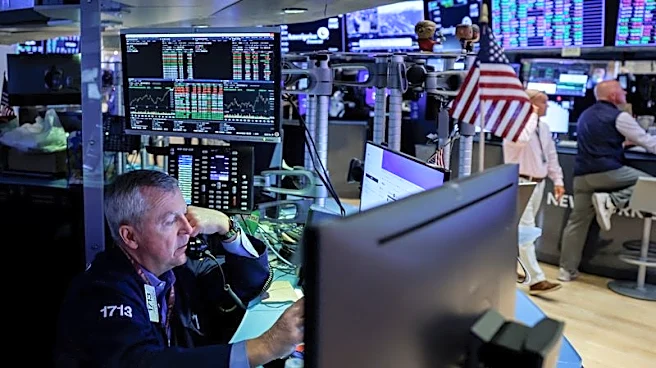
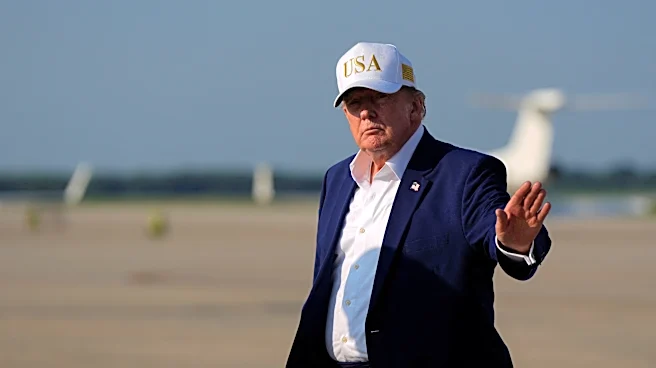
Oil prices have increased as optimism fades over a potential deal between the US and Iran. President Trump has rejected Iran's demands for war reparations, insisting instead that Iran pay reparations for the deaths of US soldiers and civilians. This ongoing
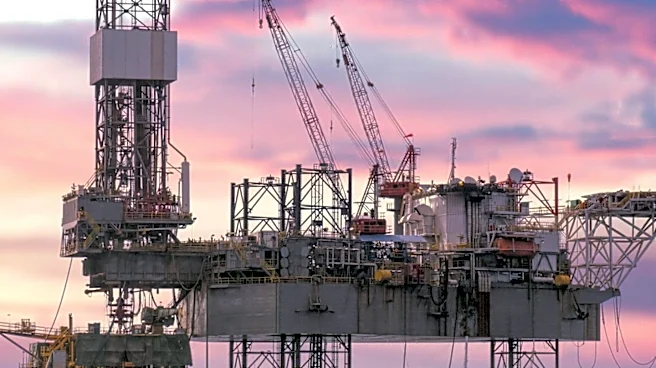
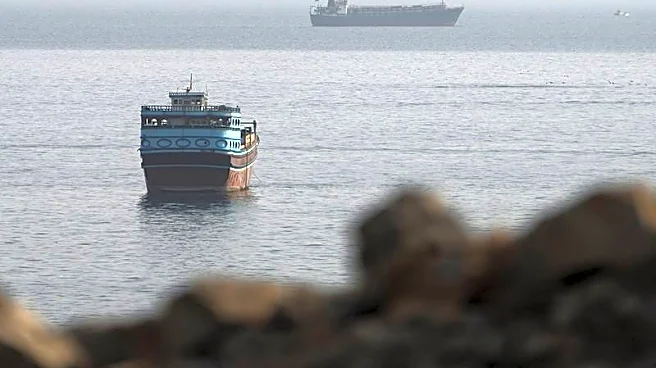
tension has led to volatility in the oil market, with prices reacting to headlines about potential negotiations. Additionally, disruptions in the Strait of Hormuz continue, affecting oil shipments. The situation is compounded by attacks on Saudi Arabia's Jazan refinery, which has suspended operations, further tightening supply in the refined product markets.
Why It's Important?
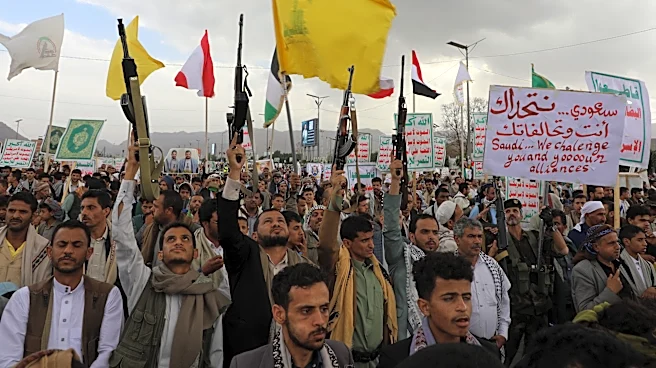
The fading hopes for a US-Iran deal have significant implications for global oil markets, particularly as tensions in the Middle East persist. The rejection of reparations by President Trump suggests prolonged geopolitical instability, which could lead to sustained high oil prices. This situation impacts energy costs globally, affecting industries reliant on oil and gas. The disruptions in the Strait of Hormuz and refinery attacks exacerbate supply concerns, potentially leading to price spikes. As the Northern hemisphere approaches winter, tight stocks and elevated gasoil cracks could result in increased heating costs, affecting consumers and businesses.