




What's Happening?
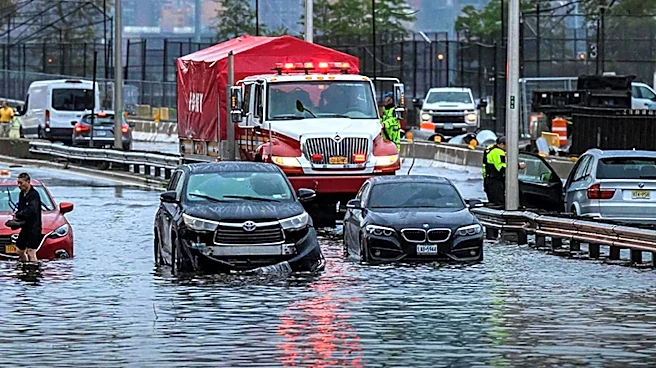
A new study analyzing 196 countries between 1970 and 2023 reveals that severe natural disasters, particularly extreme windstorms and floods, can cause substantial long-term reductions in real GDP. While average impacts from floods, heatwaves, and cold
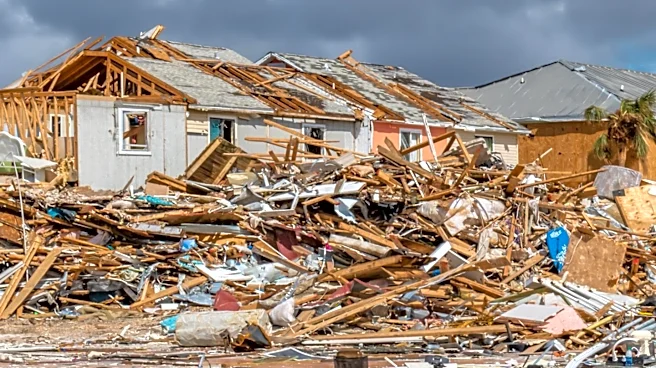
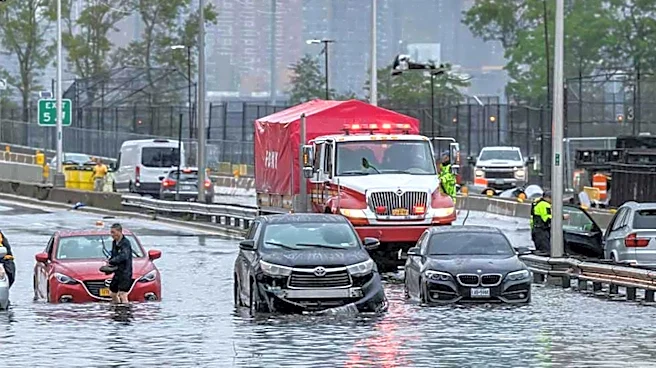
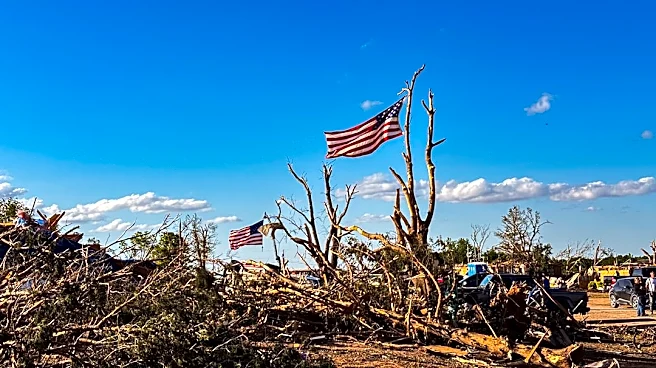
snaps may not show lasting effects on GDP, storms (hurricanes and typhoons) and droughts consistently lead to a 0.1 to 0.2 percentage point reduction in economic output. The study highlights that the most severe natural disasters, those in the extreme 1% tail, have a much more profound impact. For instance, the most extreme windstorms can reduce economic output by 0.5% two years after the event, and the most extreme floods can lead to a significant 3.2% reduction in GDP after two years. The analysis also indicates that poorer countries are less resilient to these events, experiencing larger and more prolonged economic losses compared to advanced economies.
Why It's Important?
This research underscores the critical economic vulnerability of nations, particularly developing ones, to the escalating threat of natural disasters. The long-term GDP reductions signify not just immediate recovery costs but also sustained setbacks in economic development, potentially exacerbating poverty and inequality. For the U.S. and other advanced economies, while direct GDP impacts might be less severe on average, the study highlights the need for robust infrastructure and preparedness to mitigate the effects of extreme events. The disproportionate impact on poorer countries also has global implications, as it can lead to increased humanitarian crises, migration, and instability that can indirectly affect international trade and security. The findings emphasize that investments in climate adaptation and resilience, such as flood defenses and storm protection, are not merely environmental expenditures but crucial economic safeguards, offering significant value for money by preventing far greater societal costs.
What's Next?
The findings of this study are likely to intensify calls for increased investment in climate adaptation and resilience measures globally. Policymakers in both developed and developing nations may re-evaluate their infrastructure spending and disaster preparedness strategies. International organizations and financial institutions could prioritize funding for climate-resilient projects in vulnerable countries, recognizing the long-term economic benefits. There may also be a push for more comprehensive risk assessments that account for the extreme tail risks of natural disasters, rather than just average impacts. Furthermore, the study could influence discussions on climate finance, advocating for greater support to help poorer nations build resilience and recover from catastrophic events, thereby reducing their economic vulnerability and fostering more stable global economic conditions.
Beyond the Headlines
The study's emphasis on the disproportionate impact on poorer countries highlights a critical equity issue in the face of climate change. Nations with fewer resources, often those least responsible for historical greenhouse gas emissions, bear the brunt of the economic consequences of natural disasters. This disparity can perpetuate cycles of poverty and hinder sustainable development goals. Beyond economic metrics, these long-term impacts translate into profound human suffering, including food insecurity, displacement, and loss of livelihoods. The research implicitly calls for a global re-evaluation of responsibility and support mechanisms, suggesting that climate adaptation is not just an environmental or economic issue, but a fundamental matter of global justice and human security. It also underscores the interconnectedness of global economies, where the instability caused by disasters in one region can have ripple effects worldwide.