


What's Happening?
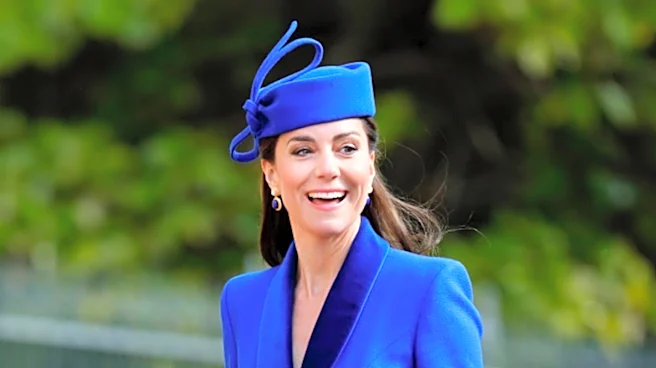
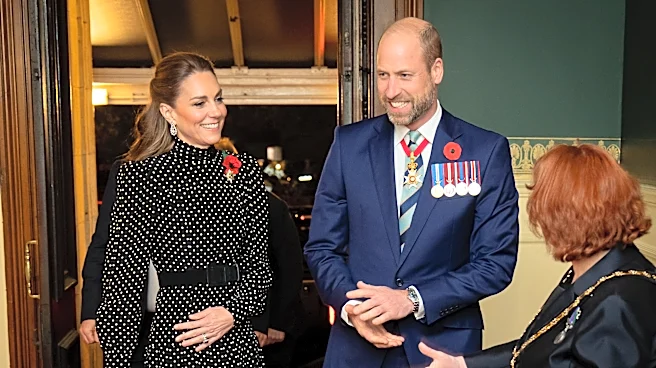
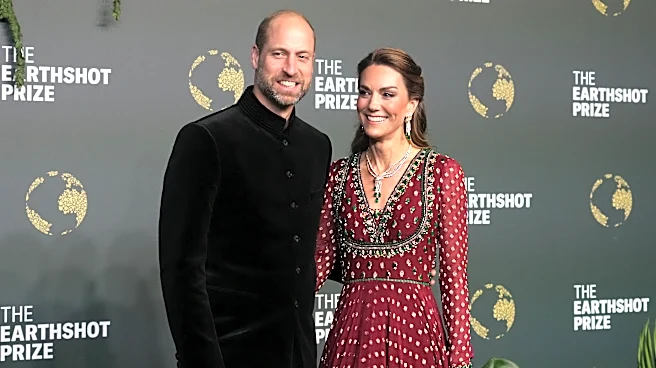
During her visit to Mumbai, India, Kate Middleton, the Princess of Wales, politely declined requests for autographs from fans. This occurred on Monday, November 16, while she and Prince William were meeting well-wishers at a street-cricket event, which
was also attended by cricket legend Sachin Tendulkar. When approached by a young girl asking for her signature, Middleton explained, 'Sorry, I can't sign,' citing a long-standing royal convention that prohibits members of the British Royal Family from providing public signatures. This rule is in place to prevent the potential copying or misuse of their signatures. Despite declining autographs, Middleton engaged with the crowd, shaking hands and chatting with fans. She has previously declined similar requests, offering to draw a flower for a child at the Chelsea Flower Show in 2023 and shaking hands with a man in Wales in 2026 after declining his autograph request.
Why It's Important?
This adherence to royal protocol highlights the unique constraints and traditions governing the public interactions of the British Royal Family, distinguishing them from celebrities who often sign autographs. The rule underscores a security and authenticity concern, aiming to prevent forgery or exploitation of royal signatures. For the public, it offers a glimpse into the strictures that shape royal engagements, even in seemingly informal settings. While it might lead to minor disappointment for fans seeking a personalized memento, it reinforces the institution's efforts to maintain control over its image and prevent potential liabilities. This practice also subtly communicates the distinct role of royalty, where personal branding is secondary to institutional integrity and security protocols.
What's Next?
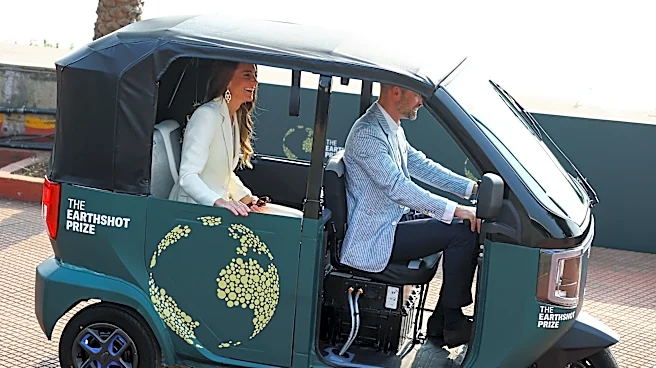
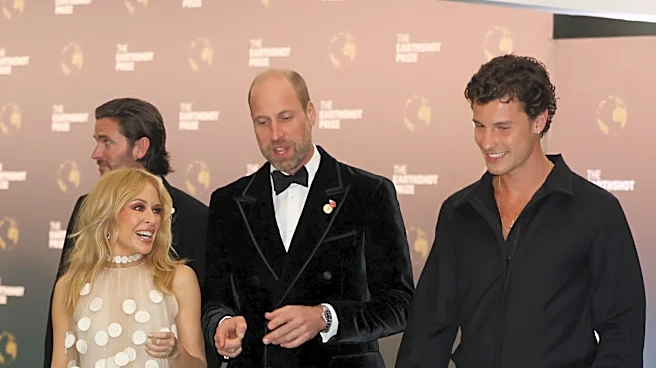
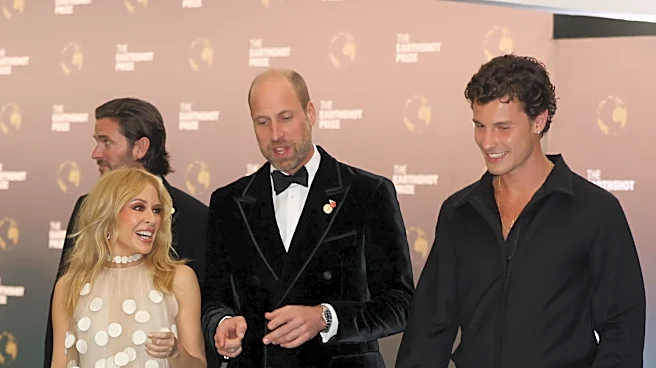
The royal couple's visit to Mumbai is part of a broader tour, and their engagements will continue to be observed for both their diplomatic and public relations aspects. While the autograph policy is a consistent royal practice, future interactions will likely continue to involve handshakes, conversations, and photo opportunities, which are permissible under royal guidelines. The focus of their visit, including Prince William's Earthshot Prize initiative, will remain central, with public interactions serving to foster goodwill and highlight their charitable and environmental efforts. The incident serves as a reminder of the established boundaries within which royal family members operate during their public duties.
Beyond the Headlines
The royal family's no-autograph policy reflects a broader historical context of maintaining the dignity and security of the monarchy. Unlike political figures or entertainers, whose public personas often thrive on direct, personalized interactions like autograph signing, the royals operate under a different set of expectations. This rule, while seemingly minor, is part of a larger framework designed to protect the institution from potential vulnerabilities, such as the commercial exploitation of signatures or even political impersonation. It underscores the idea that their public presence is primarily symbolic and official, rather than personal. This distinction helps to preserve the mystique and authority associated with the monarchy, even in an increasingly informal and celebrity-driven world.