




What's Happening?
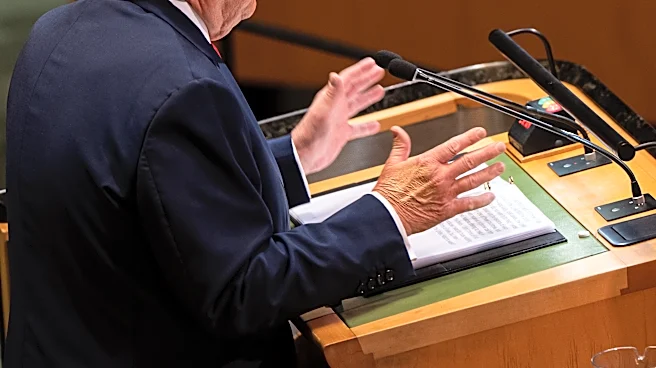
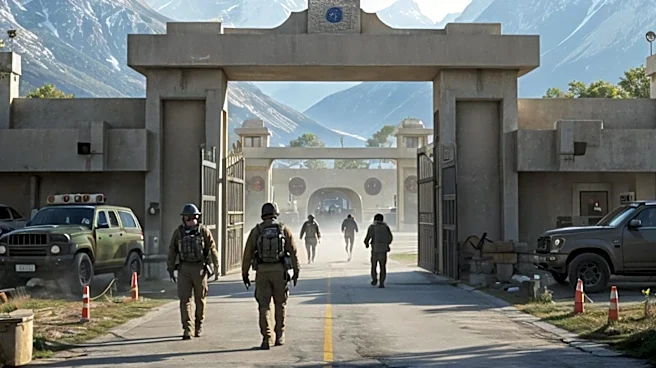
The United States, Denmark, and Greenland are poised to sign a new Arctic security agreement during the United Nations General Assembly in New York. This deal is expected to significantly expand the U.S. military presence on the Arctic island of Greenland,
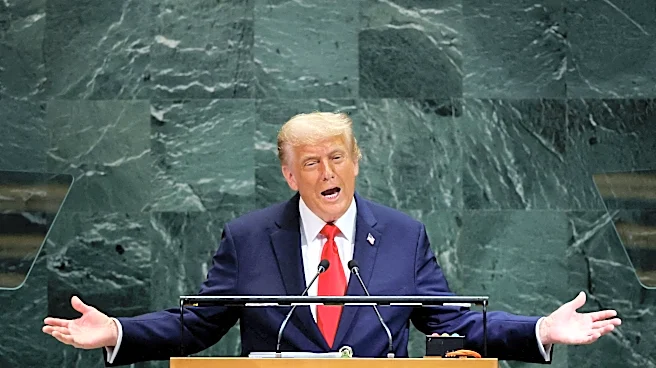
while simultaneously aiming to prevent adversarial nations from establishing their own military bases in the region. Denmark has indicated that this agreement will integrate Arctic security more broadly within the NATO framework. While President Trump has characterized the agreement as granting the U.S. "permanent control" over Greenland's security, officials from Denmark and Greenland emphasize that the island's sovereignty and its people's right to self-determination remain unchanged. The full details of the agreement, including the extent of the planned U.S. military buildup, have not yet been publicly disclosed. This development occurs as President Trump prepares for a summit with Chinese President Xi Jinping, where topics such as trade, artificial intelligence, and critical minerals are on the agenda.
Why It's Important?
This Arctic security agreement holds significant strategic importance for the United States and its allies. The Arctic region is increasingly vital due to its geographical location, the emergence of new shipping routes, its military implications, and its rich deposits of critical minerals. An expanded U.S. military presence in Greenland, building on the existing Pituffik Space Base, aims to bolster missile warning, missile defense, and space surveillance operations. By restricting the ability of U.S. adversaries to establish military footholds on the island, the agreement directly addresses national security concerns and geopolitical competition in a strategically crucial area. The emphasis by Denmark and Greenland on maintaining sovereignty is critical for regional stability and international relations, ensuring that the expansion of U.S. presence is perceived as a collaborative security effort rather than an infringement on national autonomy. The agreement also underscores the growing global competition for resources and strategic positioning, particularly with nations like China, which has its own interests in the Arctic.
What's Next?
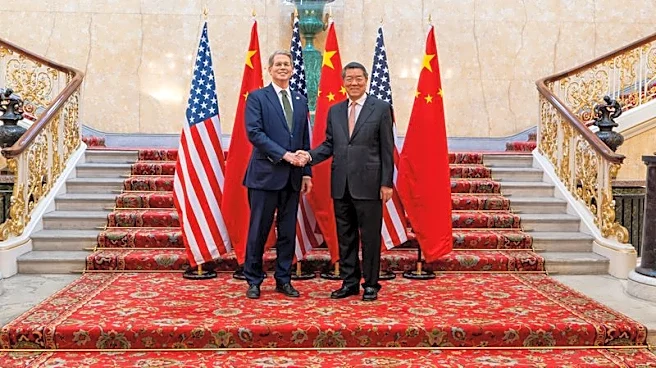
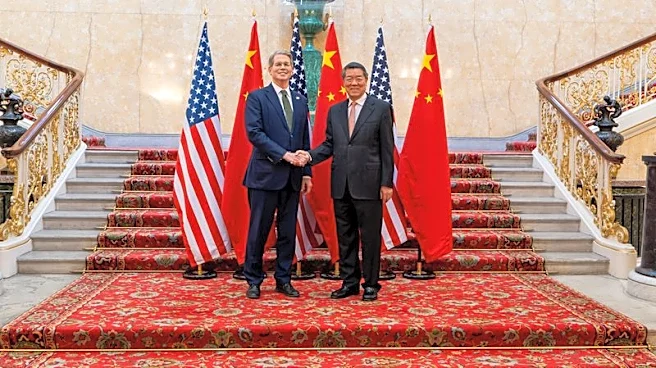
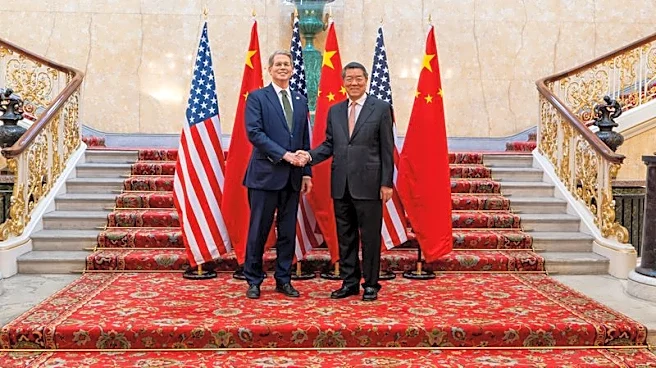
The Greenland security agreement is anticipated to be formally signed this week. Following this, the focus will shift to the upcoming summit between President Trump and Chinese President Xi Jinping. This meeting is expected to delve into critical discussions on trade stability, access to rare earth minerals, military communications, and the establishment of rules for managing AI-related emergencies. U.S. Treasury Secretary Scott Bessent and Chinese Vice Premier He Lifeng have already conducted preparatory talks on AI, trade, and rare earths. A key outcome to watch for will be concrete commitments rather than merely symbolic diplomatic language, particularly regarding China's role in the global rare-earth supply chain and potential mechanisms for managing AI-related national security incidents. The U.S. has proposed a direct communication channel with Beijing for AI incidents, but China has yet to publicly endorse it. The broader implications for U.S.-China relations on these fronts will be closely monitored.
Beyond the Headlines
Beyond the immediate security and economic implications, this agreement highlights the evolving geopolitical landscape and the increasing strategic value of the Arctic. The emphasis on preventing adversaries from establishing military bases in Greenland reflects a broader global competition for influence and resources, particularly with China. The discussions surrounding critical minerals, especially rare earths, underscore their indispensable role in modern technology and advanced weaponry, making control over their supply chains a significant factor in international power dynamics. Furthermore, the emerging challenges of artificial intelligence, including its potential for national security incidents, are pushing for new forms of international dialogue and cooperation, or competition. The agreement also subtly touches upon the delicate balance between national sovereignty and collective security, as Greenland and Denmark navigate their relationship with the U.S. while asserting their autonomy. This complex interplay of security, economic, and technological factors will shape international relations for years to come.