




What's Happening?
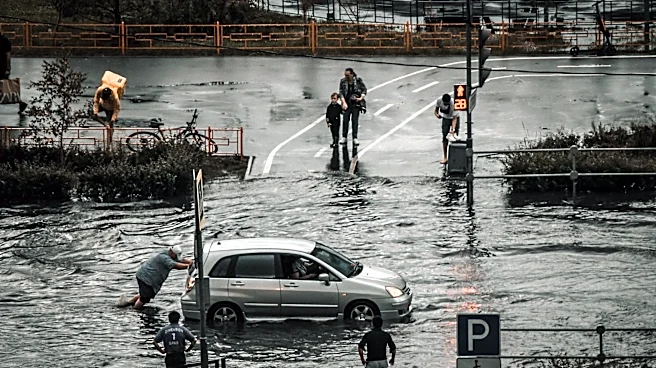
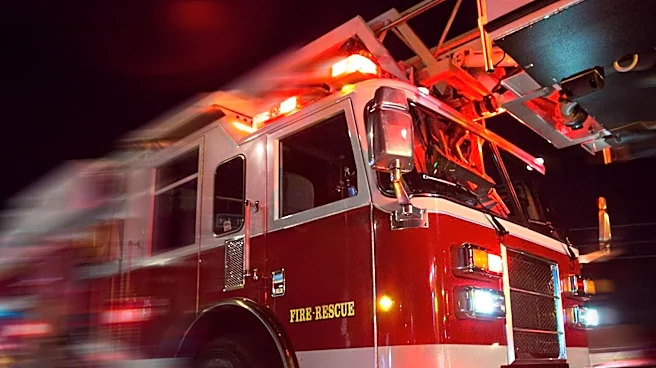
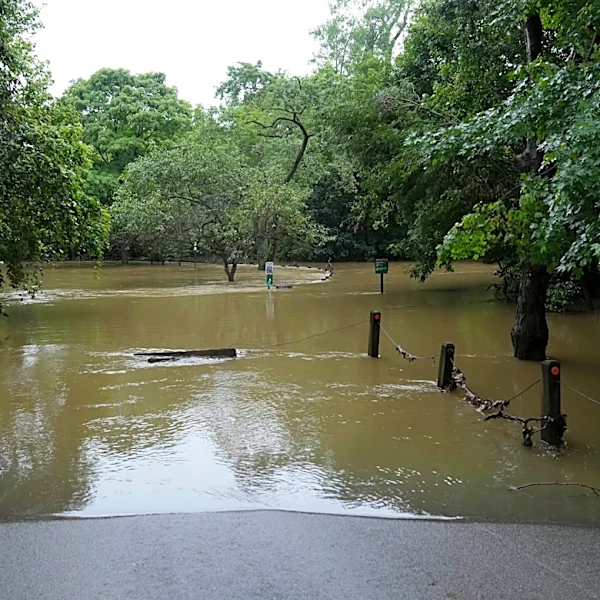
Lincoln Fire and Rescue (LFR) responded to several flooding incidents in northeast Lincoln, Nebraska, on Wednesday afternoon. Heavy rainfall led to significant water accumulation in low-lying areas, particularly affecting underpasses and streets. LFR crews
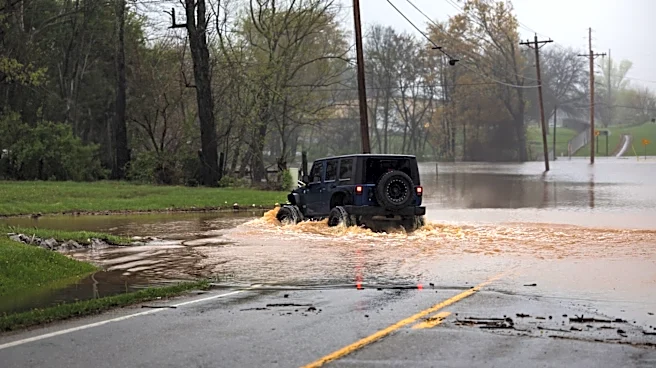
successfully rescued four individuals from separate incidents. One rescue involved a woman trapped in a white SUV in a flooded underpass at 48th Street and Cornhusker Highway. Additionally, three people were rescued from two different vehicles stranded in floodwaters on 84th Street near Fremont Street. The affected areas, including 84th Street between Havelock and Cornhusker, were subsequently closed to traffic due to high water levels. The Lincoln Police Department issued a warning to drivers, advising them to avoid driving through standing or moving water and to 'Turn around, don’t drown.'
Why It's Important?
These flooding incidents highlight the immediate dangers posed by severe weather events, even in localized areas. The need for emergency services like Lincoln Fire and Rescue to perform swift water rescues underscores the critical role they play in public safety during natural disasters. The closures of major roadways, such as 84th Street, can significantly disrupt daily commutes and local commerce, leading to economic inefficiencies and potential losses for businesses reliant on accessible transportation. Furthermore, the Lincoln Police Department's public safety advisory emphasizes the importance of community awareness and adherence to safety guidelines to prevent further incidents and protect lives. Such events also put a strain on municipal resources, requiring coordinated efforts from various city departments to manage the crisis and its aftermath.
What's Next?
Following the immediate rescue operations, authorities will likely focus on assessing the full extent of the flood damage to infrastructure and private property. Road closures will remain in effect until water levels recede and safety inspections are completed, which could impact traffic flow for an extended period. City officials will need to evaluate the effectiveness of current drainage systems and potentially consider long-term solutions to mitigate future flooding risks in these vulnerable areas. Residents are advised to stay informed through local news channels and official alerts regarding road conditions and any further weather advisories. Emergency services will remain on standby to address any new incidents that may arise from continued rainfall or lingering floodwaters.
Beyond the Headlines
The recurring nature of urban flooding, as seen in this incident, points to broader challenges related to urban planning, climate resilience, and infrastructure development. As weather patterns become more unpredictable, cities like Lincoln face increasing pressure to invest in robust stormwater management systems and green infrastructure solutions that can better absorb heavy rainfall. The 'Turn around, don’t drown' campaign, while effective in immediate crisis, also reflects a societal need for greater public education on flood safety and the dangers of underestimating floodwaters. This event could serve as a catalyst for community discussions on climate adaptation strategies and the allocation of resources to protect vulnerable neighborhoods and critical transportation arteries from future environmental impacts.