
What's Happening?
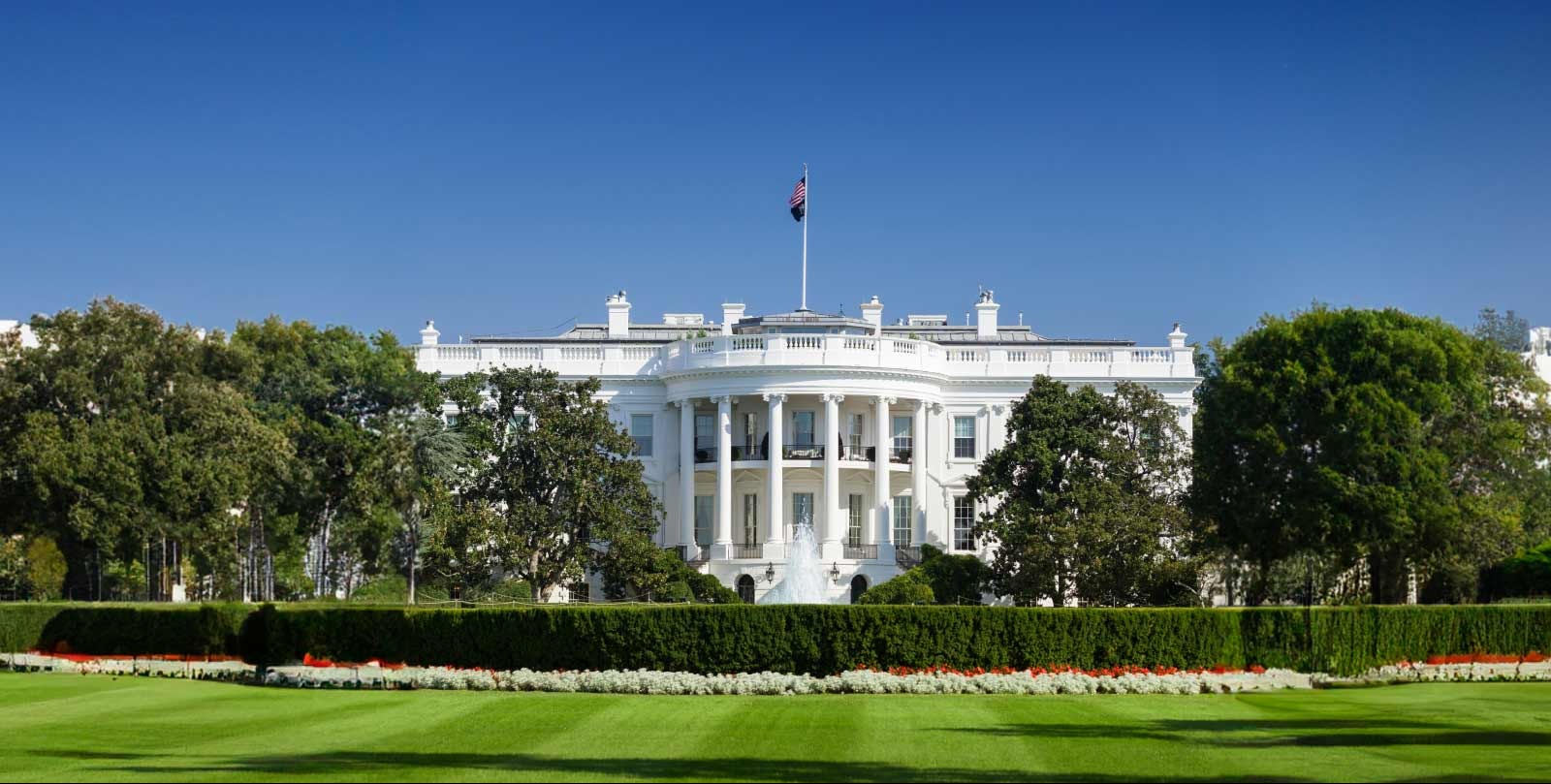
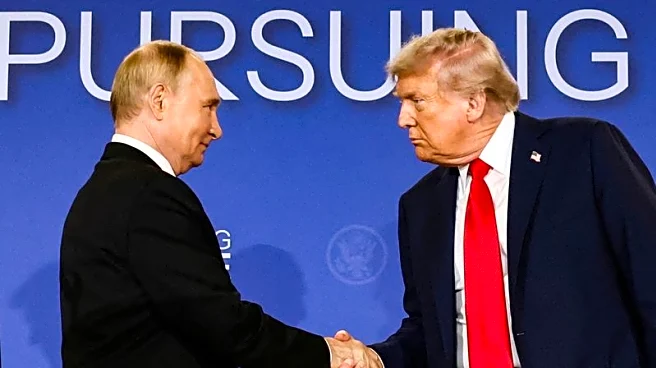
President Donald Trump has announced a $12 billion aid package aimed at supporting U.S. farmers who have been adversely affected by the ongoing trade war with China. The announcement was made during a roundtable
discussion at the White House, where Trump was joined by Agriculture Secretary Brooke Rollins, lawmakers from agricultural states, and farmers. The aid package is designed to provide financial relief to farmers who have faced difficulties selling their crops due to increased tariffs imposed by China in response to U.S. trade policies. The package includes $11 billion in one-time payments to row-crop farmers and an additional $1 billion reserved for specialty crops. The funds are expected to be distributed by the end of February, with payments capped at $155,000 per farm or individual, and eligibility limited to those earning less than $900,000 annually.
Why It's Important?
The aid package is significant as it addresses the financial strain on U.S. farmers caused by the trade tensions between the United States and China. Farmers, particularly those growing soybeans and sorghum, have been hit hard as these crops are heavily exported to China. The aid aims to mitigate the impact of lost sales and increased production costs, providing a temporary financial cushion. However, the reliance on government aid highlights the broader challenges faced by the agricultural sector, including market volatility and rising operational costs. The package also underscores the political importance of maintaining support from the farming community, a key constituency for President Trump.
What's Next?
The U.S. Department of Agriculture will soon implement a formula to determine per-acre payments for different crops, with the goal of distributing the aid by February. Meanwhile, the administration is under pressure to find long-term solutions to the trade issues affecting farmers. There is also a focus on addressing other agricultural concerns, such as rising beef prices, with President Trump directing investigations into potential anti-competitive practices in the food supply chain. The outcome of these efforts could influence future trade negotiations and domestic agricultural policies.
Beyond the Headlines
The aid package raises questions about the sustainability of relying on government support to address trade-related challenges. It also highlights the potential for further consolidation in the agricultural industry, as smaller farms may struggle to compete with larger, more financially stable operations. Additionally, the ongoing trade tensions could lead to shifts in global agricultural markets, with countries like Brazil potentially benefiting from increased demand for their exports. The situation underscores the need for strategic planning to ensure the long-term viability of U.S. agriculture in a rapidly changing global economy.