







What's Happening?
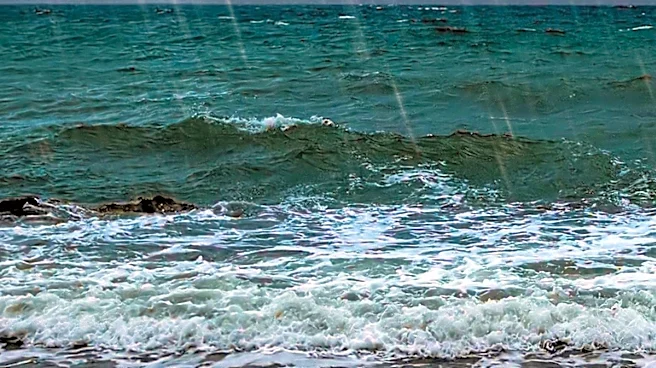
In 2007, the U.S. initiated a large-scale environmental restoration project by depositing 500,000 tons of oyster shells into the Gulf of Mexico. This effort aimed to rebuild damaged oyster reefs and coastal habitats along Florida's Gulf Coast. The shells,
sourced from seafood restaurants and processing plants, were strategically placed in areas where natural reefs had disappeared. Initially met with skepticism and concerns about ocean dumping, the project has proven successful over nearly two decades. The recycled shells provided a hard surface for young oysters to attach and grow, leading to a significant recovery in oyster populations. This resurgence has improved water quality, as oysters naturally filter seawater, and has been linked to reductions in harmful algal blooms, supporting a diverse range of marine life.
Why It's Important?
The restoration of oyster reefs is crucial for maintaining healthy marine ecosystems. Oysters play a vital role in filtering water and providing habitat for various marine species. The success of this project demonstrates the potential of using recycled materials to restore natural habitats, offering a sustainable solution to environmental degradation. The improved water quality and increased biodiversity have positive implications for local fisheries and tourism, contributing to the economic well-being of coastal communities. This initiative also highlights the importance of innovative environmental strategies in addressing ecological challenges.
What's Next?
The continued monitoring and expansion of similar restoration projects could further enhance marine biodiversity and ecosystem services. Stakeholders, including environmental agencies and local communities, may advocate for increased funding and support for such initiatives. The success of this project could serve as a model for other regions facing similar ecological challenges, promoting the use of recycled materials in environmental restoration efforts.