


What's Happening?
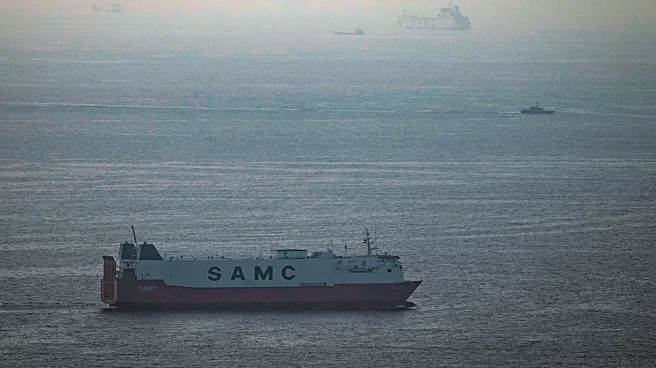
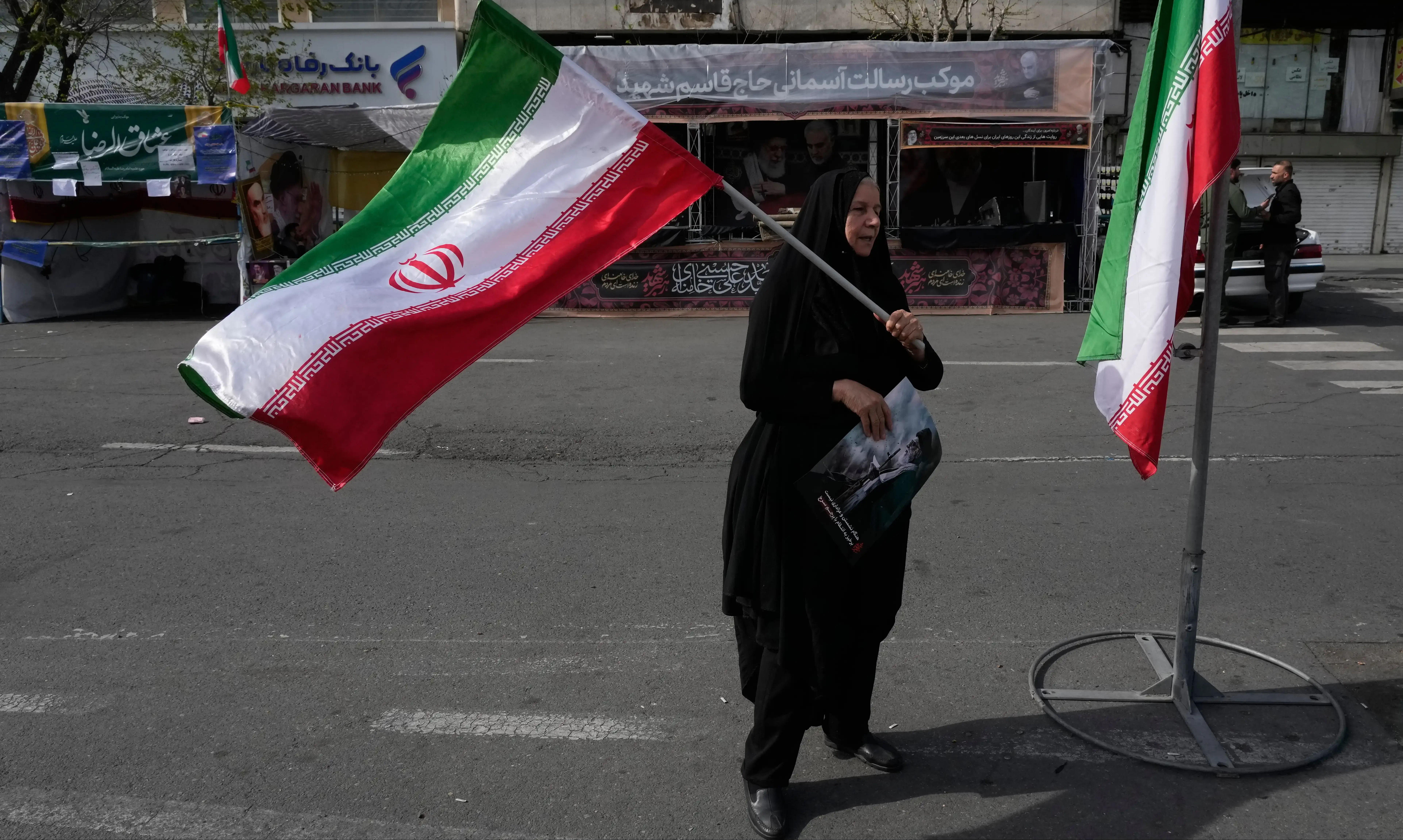
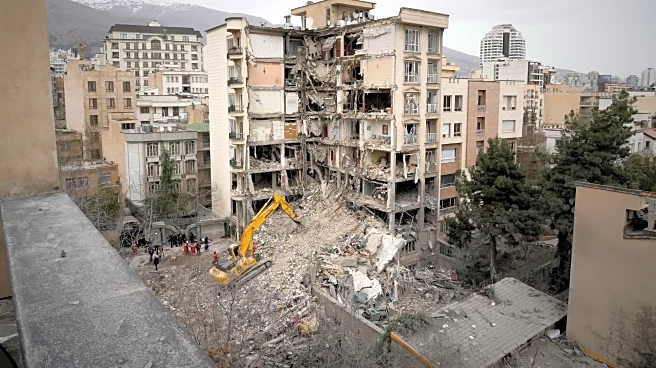
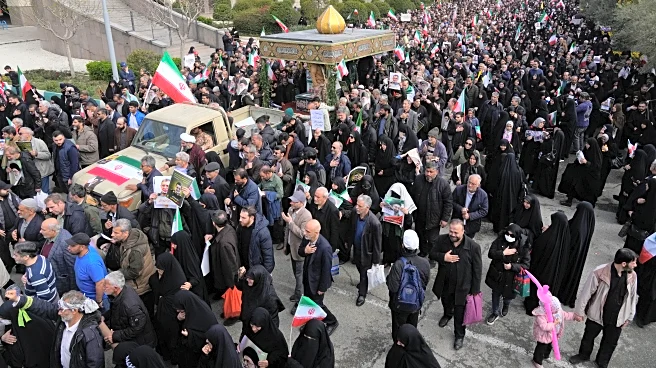
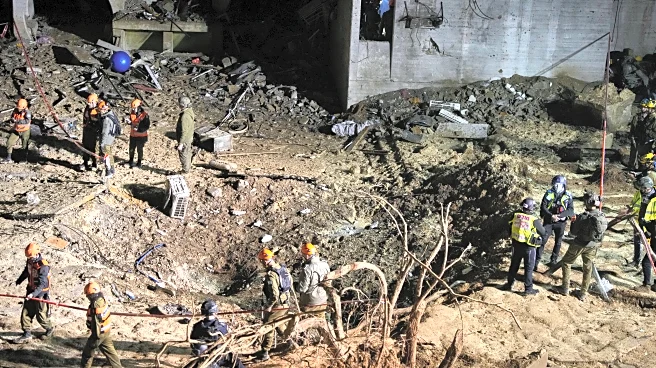
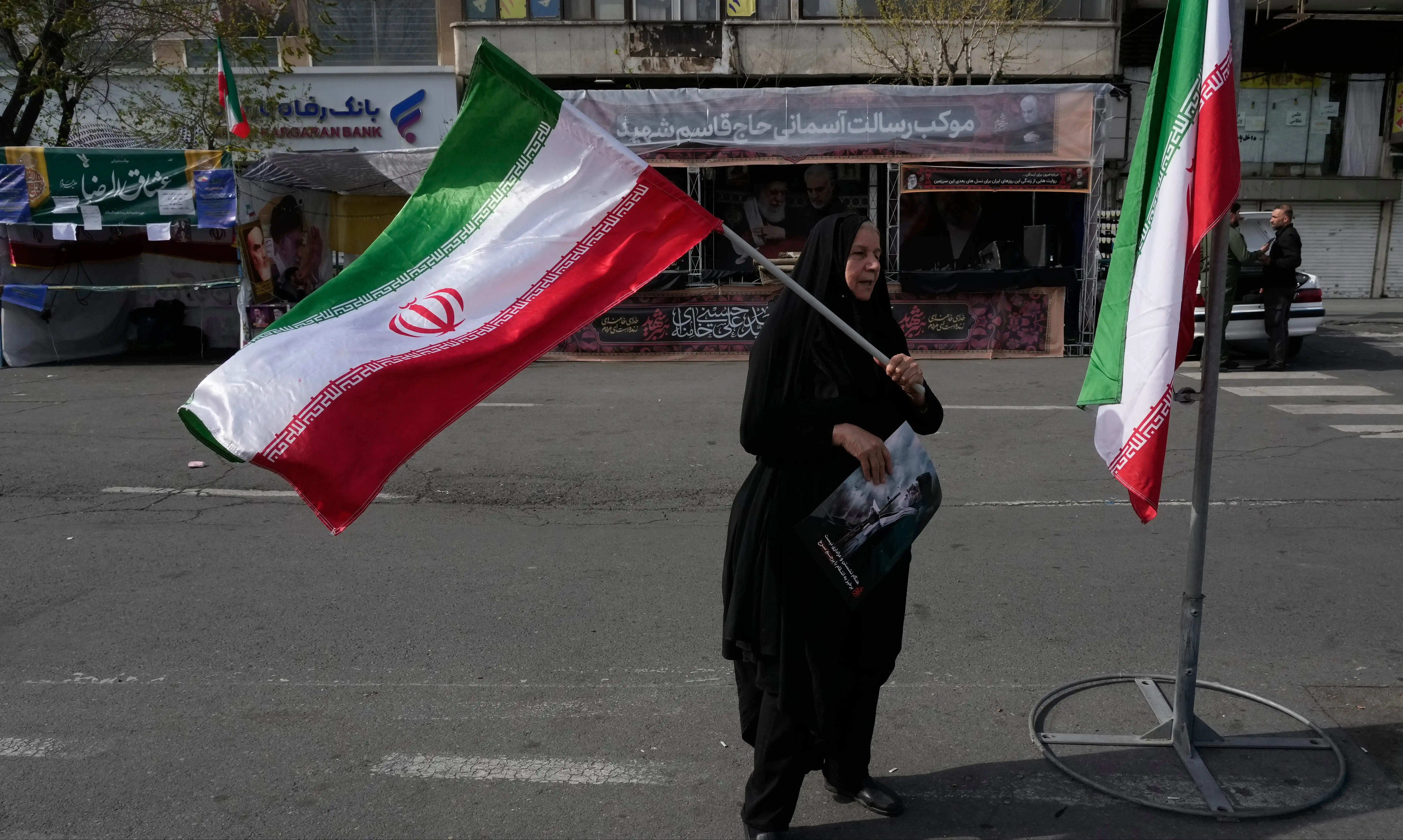
Iran has announced its intention to close the Strait of Hormuz if President Trump follows through on his threat to attack Iranian power plants. This ultimatum comes as the U.S.-Israel conflict with Iran enters its fourth week, with President Trump demanding
the reopening of the strategic waterway within 48 hours. The Iranian Revolutionary Guards have stated that the strait will remain closed until any damaged power plants are rebuilt. This development marks a significant escalation in the ongoing conflict, which has already seen missile strikes and military engagements in the region.
Why It's Important?
The Strait of Hormuz is a vital passage for global oil shipments, and its closure could have severe repercussions for the global economy. A disruption in oil flow could lead to increased energy prices and impact international markets. The situation also highlights the fragile nature of Middle Eastern geopolitics, where military actions can quickly escalate into broader conflicts. The U.S.'s strategic interests in the region, including its alliances and military presence, are at stake, potentially affecting its foreign policy and international relations.
What's Next?
The international community will be closely monitoring the situation, with potential diplomatic efforts to prevent further escalation. The U.S. may increase its military presence in the region to ensure the security of its interests and allies. Iran's actions will be scrutinized, and any further military engagements could lead to broader international involvement. The situation remains fluid, with significant implications for regional stability and global energy markets.