







What's Happening?
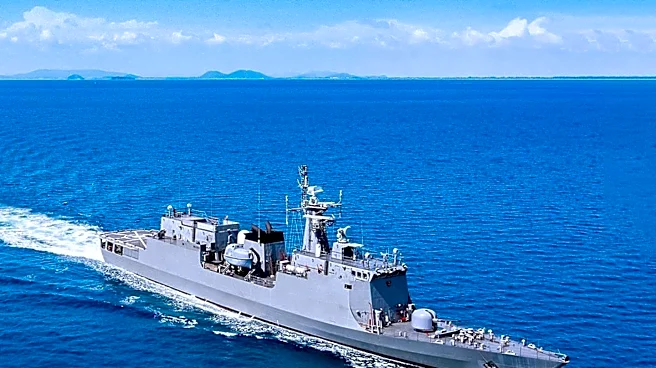
A French Navy frigate successfully intercepted a ballistic missile near the Belgian minehunter BNS Primula in the Bab el-Mandeb Strait on October 13. The French Armed Forces General Staff confirmed the incident on October 27, stating that the frigate detected
and intercepted the missile while escorting the Belgian ship. The action was described as defensive, and no injuries or damage were reported. The missile's intended target remains unknown, and Belgian officials have stated there is no evidence that the Primula was specifically targeted. As of October 26, no group had claimed responsibility for launching the missile, and neither France nor Belgium had attributed the launch to Yemen’s Houthi group. The Bab el-Mandeb Strait is a crucial waterway connecting the Red Sea to the Gulf of Aden, used by ships traveling between the Red Sea and the Indian Ocean. This incident occurred as part of the European Union’s Operation Aspides, which aims to maintain maritime security in the region.
Why It's Important?
This incident highlights the escalating threats to maritime security in critical global shipping lanes, particularly in the Bab el-Mandeb Strait. The successful interception by the French frigate underscores the importance of advanced naval defense capabilities in protecting commercial and military vessels in volatile regions. The fact that a minehunter, designed for underwater threats, required protection from an aerial ballistic missile, reveals a broadening spectrum of dangers faced by naval assets. This situation could lead to increased operational costs for naval forces and potentially higher insurance premiums for commercial shipping, impacting global trade and supply chains. The lack of attribution for the missile launch further complicates the security landscape, making it difficult to predict and deter future attacks, which could have significant economic and geopolitical consequences for the U.S. and its allies.
What's Next?
The ongoing investigation into the missile's origin and intended target will be crucial for understanding the full scope of the threat in the Bab el-Mandeb Strait. The incident may prompt a re-evaluation of naval defense strategies and the types of protection required for various classes of vessels operating in high-risk areas. There could be increased calls for enhanced international cooperation and intelligence sharing to identify and neutralize threats to maritime security. The European Union’s Operation Aspides will likely continue its mission, potentially with increased vigilance and resources, to ensure the safe passage of merchant ships. The incident also raises questions about the proliferation of ballistic missile technology and its use by non-state actors, which could lead to broader discussions on arms control and regional stability efforts.
Beyond the Headlines
The interception of a ballistic missile near a minehunter in the Bab el-Mandeb Strait points to a significant shift in naval warfare and maritime security challenges. Traditionally, minehunters are designed for specific underwater threats, but this event demonstrates that even support vessels now face sophisticated aerial attacks. This necessitates a re-thinking of naval architecture and defense systems, potentially leading to the integration of air defense capabilities across a wider range of naval ships. The incident also underscores the 'gray zone' nature of modern conflicts, where attacks may not be formally attributed, making traditional responses more complex. This ambiguity can create a climate of uncertainty, impacting global shipping and potentially leading to a more militarized approach to safeguarding international waterways, with long-term implications for global trade and geopolitical stability.