






What's Happening?
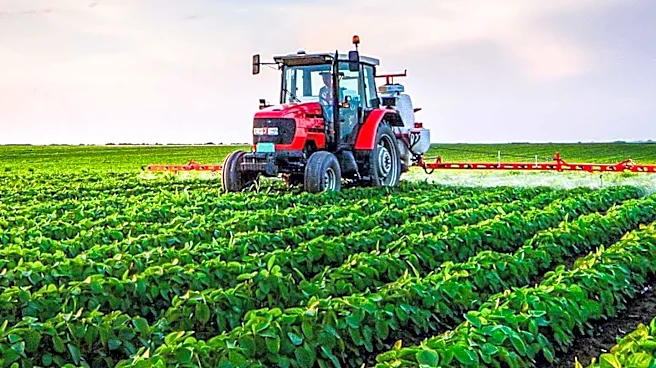
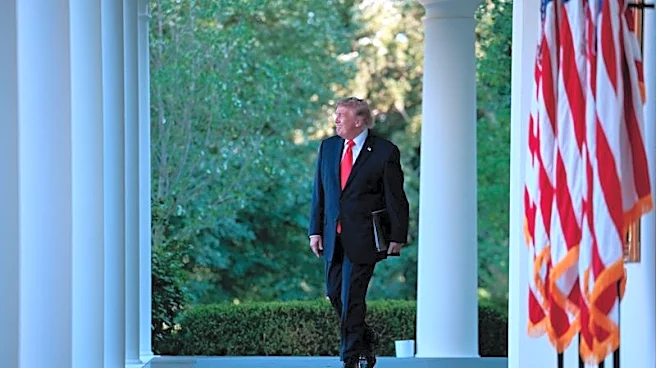
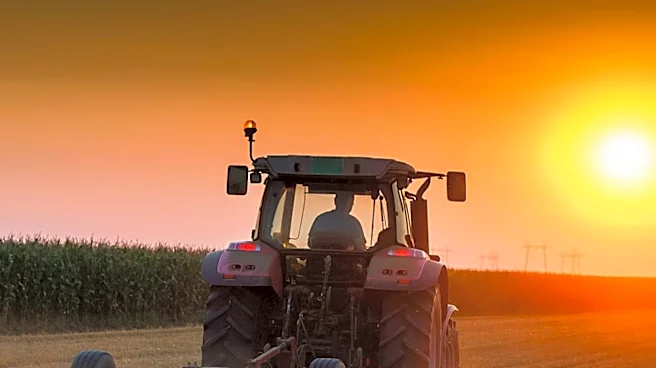
President Trump has proposed a new aid package totaling $11.1 billion aimed at supporting U.S. farmers who are facing economic challenges. The proposal comes in response to rising input costs and declining crop prices, which have put significant financial
pressure on the agricultural sector. The aid package is designed to provide relief to crop producers and includes disaster assistance for farmers affected by severe weather conditions. This initiative is part of a broader effort to stabilize the agricultural economy and ensure that farmers have the necessary resources to continue their operations. The proposal is currently awaiting approval, and if passed, it would offer much-needed financial support to a sector that has been struggling with various economic adversities.
Why It's Important?
The proposed aid package is crucial for the U.S. agricultural sector, which plays a vital role in the national economy. By addressing the financial difficulties faced by farmers, the aid aims to prevent further economic decline in rural areas and ensure food security. The funding could help stabilize farm incomes, allowing farmers to invest in their operations and maintain production levels. This is particularly important as the agricultural sector is a significant source of employment and economic activity in many regions. Additionally, the aid could mitigate the impact of severe weather events, which have become more frequent and intense, further threatening agricultural productivity.
What's Next?
If the aid package is approved, it will be implemented to provide immediate financial relief to farmers. The proposal is likely to be scrutinized by lawmakers, who will consider its potential impact on the federal budget and its alignment with broader economic policies. Stakeholders in the agricultural industry, including farm organizations and rural communities, are expected to advocate for the swift passage of the aid package. The outcome of this proposal could influence future agricultural policy decisions and set a precedent for how the government responds to economic challenges in the sector.