






What's Happening?
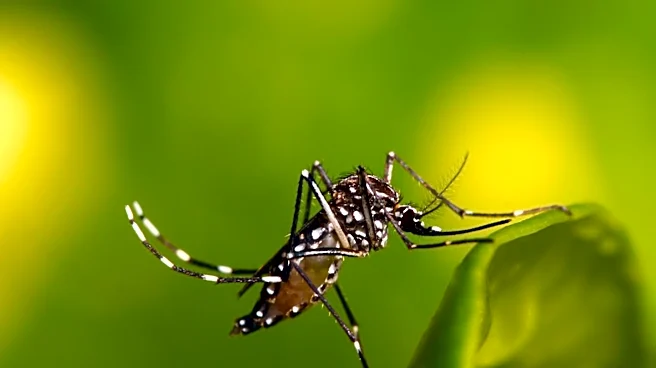
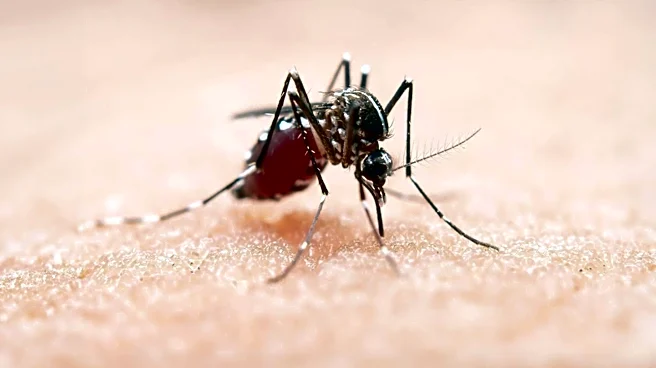
California is experiencing a substantial outbreak of West Nile virus in 2026, with the state reporting 528 human cases and 32 fatalities. Los Angeles County has been particularly affected, accounting for the majority of these infections. The West Nile virus is transmitted
to humans through the bite of infected mosquitoes. Symptoms can range from mild, flu-like illness to severe neurological diseases such as encephalitis or meningitis, which can be fatal. Public health officials typically monitor mosquito populations and human cases to track the spread of the virus and implement control measures. The current figures indicate a significant public health concern within the state, necessitating continued vigilance and preventative actions from both authorities and residents. The surge in cases suggests that environmental factors, such as weather conditions favorable for mosquito breeding, may be contributing to the increased transmission rates across California.
Why It's Important?
The surge in West Nile virus cases and deaths in California carries significant public health implications. A high number of infections places a strain on healthcare systems, particularly if severe cases require hospitalization and intensive care. The fatalities underscore the serious nature of the virus, especially for vulnerable populations such as the elderly and those with compromised immune systems. Economically, outbreaks can lead to increased healthcare expenditures, lost productivity due to illness, and potential impacts on outdoor recreational activities if public health warnings become widespread. For residents, the increased risk necessitates greater awareness and adoption of personal protective measures, such as using insect repellent and eliminating standing water where mosquitoes breed. The concentration of cases in Los Angeles County highlights the need for targeted public health interventions in densely populated areas to control mosquito populations and prevent further spread.
What's Next?
In response to the escalating West Nile virus outbreak, California public health authorities are expected to intensify their mosquito surveillance and control efforts. This will likely include increased mosquito trapping, larvicide application in breeding grounds, and adulticide spraying in affected areas. Public awareness campaigns will also likely be amplified, urging residents to take preventative measures such as draining standing water, using insect repellent, and wearing protective clothing during peak mosquito activity hours. Healthcare providers will need to remain vigilant for symptoms of West Nile virus to ensure timely diagnosis and appropriate management of cases. Further epidemiological investigations may be conducted to identify specific environmental factors contributing to the surge and to refine intervention strategies. The state will continue to monitor case numbers and adjust its response as the situation evolves, particularly as seasonal weather patterns change.
Beyond the Headlines
The ongoing West Nile virus outbreak in California points to broader ecological and public health challenges. Climate change, with its potential to alter temperature and precipitation patterns, can create more favorable conditions for mosquito breeding and virus transmission, potentially leading to more frequent and severe outbreaks in the future. This situation also highlights the critical importance of robust public health infrastructure, including vector control programs and disease surveillance systems, which are essential for early detection and response to emerging and re-emerging infectious diseases. The disproportionate impact on certain regions, like Los Angeles County, may also reveal underlying socioeconomic factors that influence exposure risk and access to preventative resources. Long-term strategies will need to consider sustainable mosquito control methods and community engagement to build resilience against vector-borne diseases.