




What's Happening?
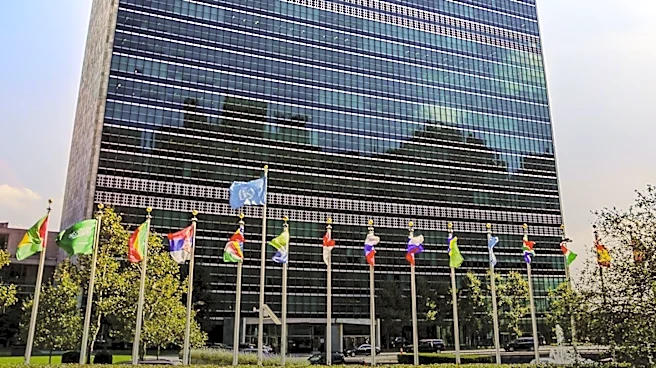
The United Nations Support Office in Somalia (UNSOS) has issued a tender for the sale of U.N.-owned equipment and vehicles, as the future of international support for the African Union Support and Stabilization Mission in Somalia (AUSSOM) faces uncertainty.
The U.S., a major financial contributor, plans to end its funding for UNSOS by December 31, 2026, and opposes extending U.N. logistical support for AUSSOM. This mission, which aids Somali forces against al-Shabab, involves about 12,000 troops from various African countries. The potential reduction in support raises concerns about a security vacuum as Somalia works to manage its own security. The U.S. has criticized Somalia's progress in combating al-Shabab and addressing security and governance challenges.
Why It's Important?
The potential withdrawal of U.S. funding and logistical support for AUSSOM could significantly impact Somalia's security landscape. A reduction in international assistance might lead to a security vacuum, potentially allowing al-Shabab to strengthen its influence. This situation underscores the challenges faced by international missions in maintaining stability in conflict zones. The decision also reflects broader geopolitical dynamics, as the U.S. reassesses its international commitments. The outcome could affect regional stability in the Horn of Africa, influencing migration patterns, economic conditions, and security policies in neighboring countries.
What's Next?
The future of AUSSOM and international support in Somalia remains uncertain. Stakeholders, including troop-contributing countries, may seek alternative funding sources or negotiate new terms to sustain the mission. The U.S. decision could prompt discussions within the U.N. and African Union about the mission's viability and potential restructuring. Somalia's government may need to accelerate its efforts to build domestic security capabilities. The international community will likely monitor the situation closely, considering the implications for regional security and humanitarian conditions.