




What's Happening?
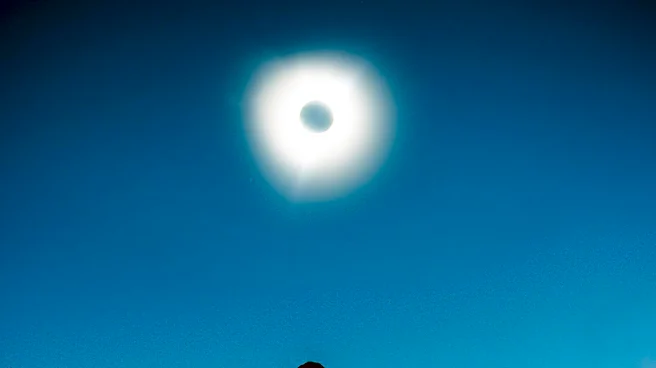
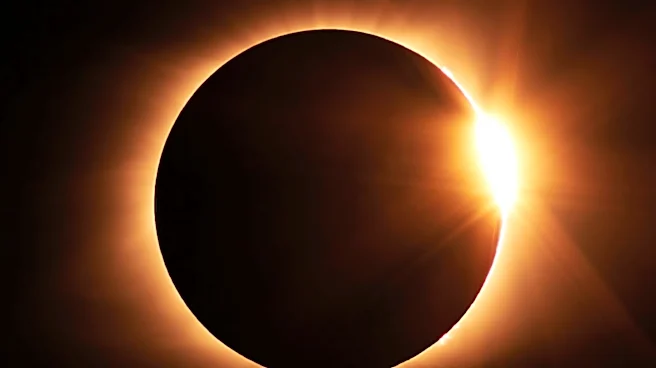
The next total solar eclipse, occurring on August 2, 2027, is generating significant excitement among eclipse chasers and travelers. This event, which will last approximately six minutes, is expected to be one of the longest total eclipses in recent history.
The path of totality will cross southern Spain, North Africa, and the Middle East, making it accessible to many popular travel destinations. As a result, tours, cruises, and hotels are already booking up in anticipation of this rare astronomical event.
Why It's Important?
The 2027 total solar eclipse presents a unique opportunity for both scientific observation and tourism. Its long duration allows for extended viewing and study of the sun's corona, offering valuable data for scientists. For the travel industry, the eclipse is a major event that can boost tourism in the regions along the path of totality. This could lead to economic benefits for local businesses and increased interest in astronomical tourism, a niche market that combines travel with scientific exploration.
What's Next?
As the date of the eclipse approaches, more travel packages and events are likely to be announced, catering to both amateur and professional astronomers. The success of this event could influence future planning for astronomical tourism, encouraging destinations to develop infrastructure and services to accommodate eclipse chasers. Additionally, the 2028 eclipse in Australia and New Zealand is already on the radar for those planning ahead.